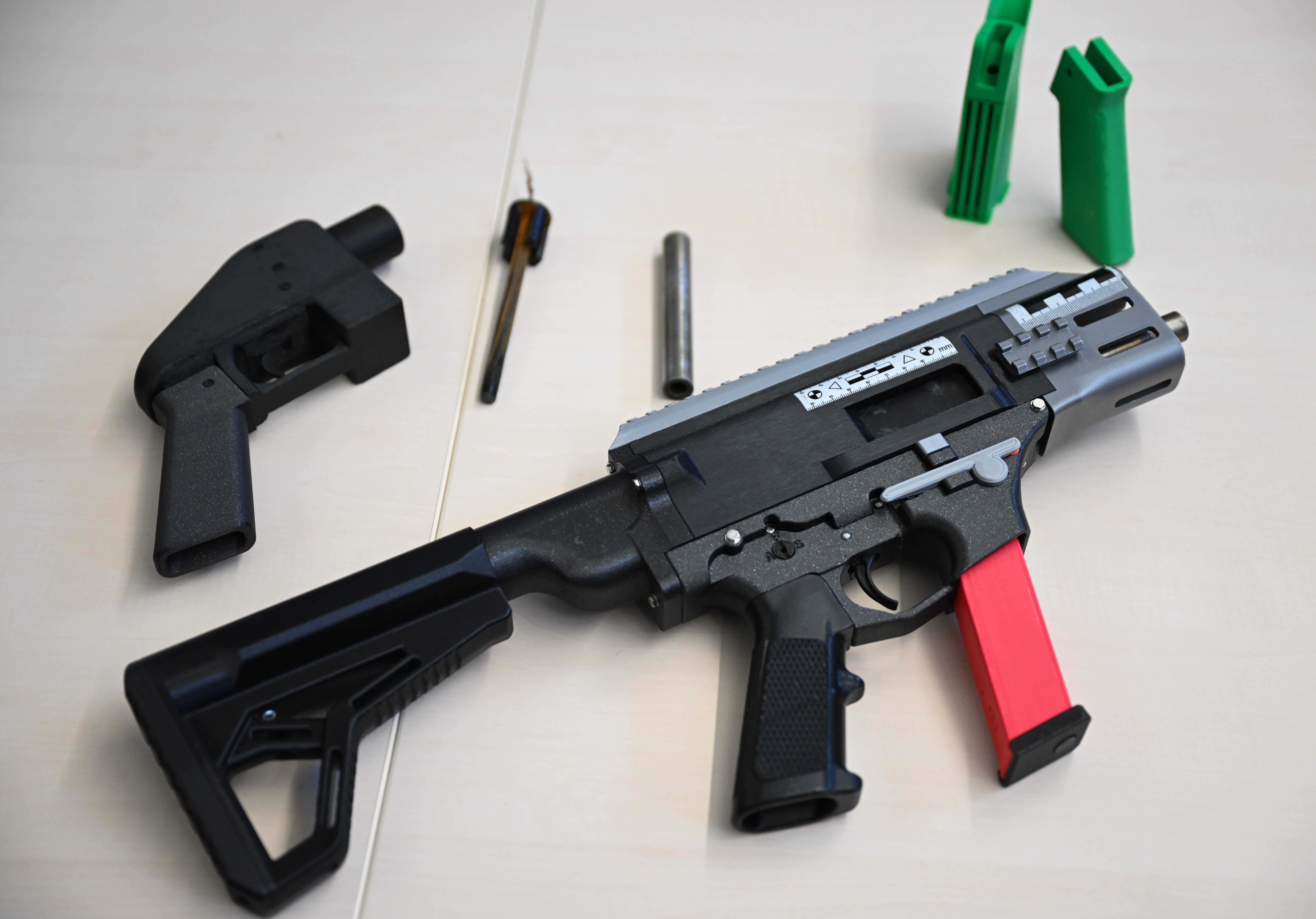
Building a firearm in your basement used to require a lathe, a mill, and years of machining expertise. That's not the case anymore. A recent 6-year prison sentence handed down to a Nova Scotia man for manufacturing 3D-printed firearms proves that the "hobbyist" defense is officially dead in Canadian courts. If you think "ghost guns" are a legal grey area because you aren't selling them, you’re dead wrong.
Gordon Victor Julien of Westphal, Nova Scotia, learned this the hard way. He wasn't just some guy messing around with a plastic printer. He was caught with 3D-printed frames, receivers, and the tools required to turn digital files into lethal weapons. The court didn't see a tech enthusiast. They saw a weapons manufacturer operating without a license. This isn't just about one guy in the Maritimes; it's a signal to everyone that the barrier between "downloading a file" and "committing a federal crime" has vanished.
The Reality of 3D Printed Firearms in Canada
Canada's Firearms Act is incredibly clear, yet people keep trying to find loopholes. You can’t manufacture a firearm unless you hold a specific business license. It doesn't matter if the frame is made of high-grade steel or PLA+ filament from Amazon. The moment that printer finishes the last layer of a lower receiver, you’ve broken the law.
In the Julien case, the 6-year sentence reflects a growing panic among law enforcement. They see 3D printing as a bypass for the entire licensing and registration system. When a gun doesn't have a serial number, it's a "ghost." Police hate them because they can’t be traced after a crime. Courts hate them because they represent a total breakdown of regulated public safety.
The 6-year stint isn't just a slap on the wrist. It’s a message. Historically, non-violent first offenders might have seen leniency. Not here. The judge in this case highlighted the inherent danger these untraceable weapons pose to the community. Basically, the court decided that the potential for harm outweighs any excuse about personal interest or "just seeing if I could do it."
Why These Weapons Are Not Toys
There’s a common misconception in the 3D printing community that plastic guns are "disposable" or "low quality." That’s outdated thinking. Modern designs like the FGC-9 (which stands for "Fuck Gun Control 9") are specifically engineered to use 3D-printed parts alongside unregulated hardware store items like hydraulic tubing. They are durable. They are lethal. They work.
That’s exactly why the RCMP and the Integrated Gun and Weapon Enforcement Team (IGWET) are kicking down doors. In Nova Scotia, the investigation into Julien wasn't a fluke. It was a coordinated effort to stop the spread of these "privately made firearms" (PMFs) before they hit the black market. Even if you have no intention of selling them, the law treats the act of making them as a precursor to trafficking.
The Legal Trap of the Lower Receiver
Most people don't realize that under Canadian law, the "firearm" isn't the barrel or the trigger. It’s the receiver.
- The receiver is the part that holds the mechanical components together.
- In 3D printing, this is the most common part to "grow" in a printer.
- Even if the gun is incomplete, possessing a printed receiver is legally equivalent to possessing a fully functional loaded handgun in many contexts.
Julien was found with multiple components in various stages of completion. In the eyes of the prosecution, this wasn't a project. It was a production line. The 6-year sentence covers the manufacturing charges and the possession of prohibited firearms. If you're caught with a printed Glock frame in Canada, you aren't facing a fine. You're facing a felony record and a massive prison term.
The Shift in Sentencing Trends
If you look at cases from five years ago, sentences for home-made firearms were often lighter. That’s changed because the technology has reached a tipping point. You can buy a capable 3D printer for $300 today. Because the "barrier to entry" is so low, the "deterrent" has to be higher.
The Nova Scotia Supreme Court is setting a precedent. They’re telling the public that digital manufacturing doesn't grant you immunity from the Firearms Act. We’re seeing a shift where the "intent" to use the gun is becoming less relevant than the "act" of creating it. The court effectively ruled that the mere existence of these guns is a threat to public order.
What You Need to Know About Compliance
If you're a 3D printing hobbyist, stay away from "Guncad" files. It sounds obvious, but the crossover between the "maker" community and the "pro-2A" community (even in Canada) is significant. Browsing sites like Odysee for these files puts you on a radar you don't want to be on.
Canada is currently pushing for even stricter laws regarding "ghost guns." This includes making it illegal to even possess the digital files (blueprints) for 3D-printed guns. While that’s still a matter of intense legal debate regarding freedom of expression, the physical act of printing is already a fast track to a cell.
The Julien case is a wake-up call. The maritime provinces, often thought of as quieter than Toronto or Vancouver, are seeing the same rise in high-tech crime. Law enforcement across the country is sharing resources to track the purchase of specific parts—like Glock finishing kits or barrels—that are often bought to complete 3D-printed frames.
Moving Forward Responsibly
If you're interested in firearms, get your PAL (Possession and Acquisition License) or RPAL. Buy your equipment from a licensed dealer. The "ghost gun" route isn't a shortcut; it's a trap. The 6 years handed to Gordon Victor Julien should be all the evidence you need.
Check your local provincial regulations and stay updated on the federal government’s "Freeze" on handguns. The laws are changing fast, and "I didn't know" won't stand up in front of a judge. If you have questions about the legality of a specific part or project, consult a legal professional who specializes in Canadian firearms law. Don't take advice from a forum or a Discord server. The risk—six years of your life—is simply too high.
Dispose of any files or components that fall into this category immediately. Use a secure method to overwrite digital data and physically destroy any printed frames or receivers by cutting them into several pieces. Ensure the central portion of the receiver is completely obliterated. Your hobby isn't worth a federal prison sentence.