The Ransom Of Dust
The headlines are screaming about a "cross-border gang" snatching funeral urns in Malaysia. They paint a picture of a sophisticated, high-stakes international crime syndicate. They want you to feel outraged. They want you to feel vulnerable.
Most of all, they want you to believe this is a new, terrifying trend in organized crime.
It isn't. It’s a massive failure of the "death-care" industry and a glaring indictment of how we value sentiment over security.
When a thief takes a bag of bones and demands five figures for its return, they aren’t "disrupting the sanctity of the grave." They are exploiting a massive, predictable hole in an archaic business model. If you’re shocked that criminals are holding ashes for ransom, you haven't been paying attention to how easy we’ve made it for them.
The Illusion Of Sacred Walls
The Malaysian police are hunting "syndicates." That's a fancy word for three guys with a crowbar and a burner phone.
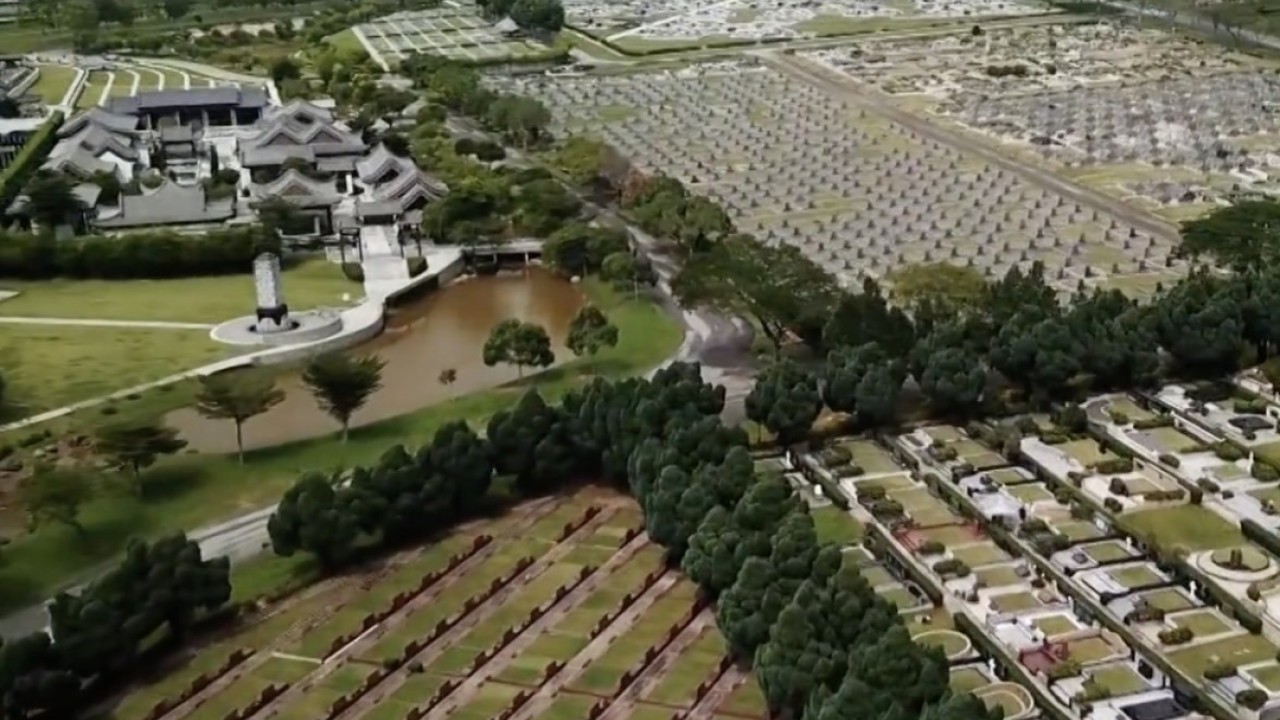
Columbariums—the places where these urns are kept—operate on an outdated "honor system" disguised as reverence. You pay for a niche, you get a glass door or a marble slab, and you assume the facility’s "aura" will keep the burglars away.
It won't.
Why the Industry is Actually to Blame:
- Low-Resolution Security: Most of these facilities rely on grainy CCTV cameras that haven't been updated since 2012.
- Zero Inventory Control: Half these places don’t even know an urn is missing until a family member comes to pay respects on a holiday.
- Predictable Values: A thief knows exactly what a family will pay to get their grandmother back. It’s the ultimate "emotional inelasticity." The demand doesn't drop because the price goes up.
I have seen private security firms handle high-value assets for decades. If you put $50,000 worth of gold in a glass box in a public building, people would call you an idiot. But put a loved one’s remains in a porcelain jar in a quiet, unstaffed hall, and suddenly it’s a "tragedy" when it goes missing.
We need to stop treating grief as a security strategy. It’s a liability.
The Geography of Greed
The media focuses on the "cross-border" element because it sounds cinematic. It implies a complex logistics network.
In reality, "cross-border" just means the thief drove two hours and switched SIM cards. By framing this as a sophisticated international crisis, the industry avoids the hard truth: their local physical security is pathetic.
They want you to look at the border. I want you to look at the lock on the front door.
The Mathematics of the Heist
Let’s look at the ROI for a criminal in this space.
- Risk: Minimal. Entering a columbarium at 3:00 AM isn't like hitting a bank. There are no silent alarms connected to local precincts. There are no armed guards.
- Overhead: Zero. You don't need a fence to sell the "goods." You sell them back to the original owner.
- Liquidity: Instant. The "customer" (the grieving family) is pre-identified.
In business terms, this is a perfect market. The competitor article calls it a "hunt for a gang." I call it a predictable outcome of a low-risk, high-reward environment.
Stop Asking For Stricter Laws
Whenever this happens, the public outcry is the same: "We need tougher penalties for desecrating the dead!"
Nonsense.
Tougher laws don't stop desperate or opportunistic people. Friction stops them. If you want to protect your ancestors, stop relying on the Malaysian Penal Code and start demanding better technology from the providers you’re paying thousands of dollars to every year.
The Tech We Actually Need:
- RFID Integration: Every urn should have a passive RFID tag. If that urn moves past a sensor at the exit without an authorized bypass, the alarm should sound immediately. Not twelve hours later.
- Biometric Access: Why does any random person have access to the entire hall?
- Smart Glass: If a niche door is tampered with, it should trigger a localized alert.
The industry resists this because it "ruins the atmosphere." They’d rather maintain the aesthetic of peace than the reality of protection. They are selling you a feeling, but they are failing to provide the service.
The Morality Trap
We get bogged down in the "evil" of the act. Yes, stealing ashes is objectively ghoulish. But focusing on the morality of the criminal is a waste of time.
Criminals do not care about your cultural taboos. In fact, they count on them. They know that in many Southeast Asian cultures, the inability to properly care for ancestral remains is a source of immense shame and spiritual terror.
They aren't just stealing calcium carbonate; they are kidnapping your peace of mind.
The Harsh Reality Check
If you are a family member, you have to ask yourself: am I paying for a secure resting place, or am I paying for a pretty shelf?
If the facility doesn't have 24/7 active monitoring and reinforced entry points, you are just renting a locker in a high-risk neighborhood.
Dismantling The "Cross-Border" Myth
The narrative of the "organized syndicate" serves the police as much as the criminals. If the police can’t catch them, they blame "international complexities." If the facility loses an urn, they blame "sophisticated professionals."
It’s a shield for incompetence.
Most "syndicates" in this niche are local opportunists who know the layout. They know when the guards take breaks. They know which cameras are fake.
Imagine a scenario where a disgruntled former employee of a funeral home realizes that the "security" consists of one 60-year-old man with a flashlight and a radio that doesn't work. Is that a "cross-border gang"? No. It’s a security breach waiting to happen.
The Business of Death Needs a Cold Shower
The death-care industry is worth billions. In Malaysia and across the region, the markup on niches and urns is astronomical.
Yet, the reinvestment into infrastructure is laughable. They spend more on gold leafing and marble statues than they do on cybersecurity or physical asset protection.
They are operating a 19th-century business in a 21st-century crime environment.
The Next Steps For The Consumer:
- Audit Your Facility: Ask to see the security logs. Ask about their protocol for a breached niche. If they give you a blank stare or talk about "respect," leave.
- Demand Insurance: Does your contract cover theft or ransom? Most don't. They consider remains to have "no commercial value." Tell that to the guy asking for $20,000.
- Digital Backups: It sounds cold, but keep records. If the worst happens, you need more than just a memory to help the authorities.
The Final Disruption
The competitor piece wants you to wait for the police to solve the problem. They want you to hope the "gang" is caught.
I’m telling you that even if this gang is caught, another will take its place tomorrow.
The problem isn't the thieves; it's the target. As long as we keep "storing" highly valuable emotional assets in low-security environments, the ransom notes will keep coming.
Stop treating your family's history like it's a library book. It’s a target. Secure it or lose it.
The "sanctity of the grave" is a beautiful concept, but it won't stop a pair of bolt cutters.
Demand better or get used to the phone calls from strangers asking how much your father is worth to you.
Would you like me to draft a checklist of security questions you should be asking your local columbarium provider?