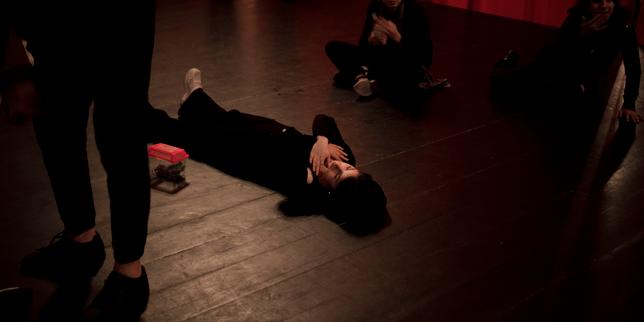
The narrative is heartwarming, cinematic, and fundamentally broken. In the middle of a conflict, cultural centers in Beirut open their doors to displaced families. Actors lead theater workshops for traumatized children. Galleries become dormitories. The media rushes in to document the "resilience of the Lebanese spirit" and the "transformative power of art."
It makes for a great Instagram story. It’s also a catastrophic misallocation of resources and a mask for systemic failure.
Stop romanticizing the makeshift. When we applaud an art gallery for transforming into a refugee center, we aren't celebrating culture; we are witnessing the total abdication of state responsibility. By leaning into the "artist as first responder" trope, we are effectively subsidizing a government that has spent decades perfecting the art of doing nothing.
The Myth of Cultural First Responders
The prevailing sentiment—the one your favorite lifestyle magazines love to peddle—is that art is a "bridge to healing." The argument suggests that in a time of war, cultural activities provide a necessary psychological buffer for those who have lost everything.
This is a luxury belief.
When a family from South Lebanon or the Bekaa Valley is forced to flee with nothing but a plastic bag of belongings, their hierarchy of needs is brutal and immediate. They need sanitation. They need caloric density. They need physical security and a long-term housing strategy.
Giving a child a paintbrush when they don’t have a bed isn't "healing." It’s optics. It’s a way for the urban elite to feel like they are "doing something" without actually engaging with the gritty, unglamorous logistics of real humanitarian work. I’ve seen organizations spend more on the "documentation" of their art-therapy sessions—hiring professional photographers and social media managers—than on the actual quality of the food being served in the hallways of those same institutions.
We have confused distraction with recovery.
The Institutional Suicide of the Arts
Lebanon’s cultural sector was already on life support long before the current escalation. Between the 2019 financial collapse and the 2020 port explosion, galleries and theaters have been gasping for air.
Now, they are pivot-branding.
By pivoting to humanitarian aid, these institutions are signaling to donors that their primary mission—the preservation and creation of culture—is non-essential. This is a dangerous precedent. When you turn a theater into a soup kitchen, you are telling the world that the theater has no value in a crisis.
The "nuance" the boosters miss is this: by failing to defend the necessity of art as an independent pillar, these creators are ensuring their own extinction. Once the war ends, the funding won't return to "art for art’s sake." It will stay tethered to "social impact" and "NGO-fication." We are watching the permanent death of Lebanese creative autonomy in real-time, traded for a few months of relevance as a second-rate NGO.
Stop Asking "How Can Art Help?"
The "People Also Ask" sections of the internet are filled with queries like: How can artists support displaced people? or What is the role of culture in wartime?
The honest, brutal answer? The role of culture in wartime is to survive so it can critique the peace.
If you are an artist, your job isn't to be a mediocre social worker. If you want to be a social worker, go train with the Red Cross. They have the protocols. They have the logistics. They know how to prevent a cholera outbreak in a crowded basement. You don’t.
By trying to do both, you do both poorly. You create "safe spaces" that aren't actually safe because they lack the infrastructure of a dedicated shelter, and you produce "art" that is nothing more than didactic propaganda for your donors.
The NGO-fication of the Soul
We need to talk about the money. Lebanon is a playground for international NGOs that love "creative" projects because they are easy to report on. It’s much harder to show a donor a spreadsheet of functioning sewage pipes than it is to show them a video of kids singing in a circle.
This is the "Tapestry of Resilience" trap. It creates a cycle where:
- A crisis occurs.
- The state fails.
- Artists fill the gap to feel useful.
- NGOs fund the artists because it looks good on a PowerPoint.
- The state sees the gap is "filled" and continues to ignore its duties.
The result is a permanent state of emergency where nothing is ever truly fixed, but everyone feels very "inspired" by the struggle. We are effectively aestheticizing poverty and displacement.
The Opportunity Cost of Feeling Good
Imagine a scenario where the millions of dollars currently being funneled into "cultural-humanitarian hybrids" were instead used to build professional, scalable, and secure housing infrastructure.
Artistic intervention has a high opportunity cost. Every hour an actor spends organizing a talent show for displaced teens is an hour they aren't spent using their platform to demand accountability from the warlords-turned-politicians who caused this mess.
We’ve swapped political agitation for communal hugs.
The "lazy consensus" says we need to be "together" and "unified." I argue we need to be angry. We need the cultural sector to be a thorn in the side of power, not a cushion for the victims of that power. When you become a service provider, you lose your bite. You become part of the system that manages the misery rather than the force that tries to end it.
The Professionalization of the Amateur
There is a distinct lack of humility in the current trend. Humanitarian work is a profession. It requires expertise in protection, logistics, and psychology. When artists jump into this space without training, they often cause more harm than good.
I’ve seen "art therapy" sessions led by people who don't know the first thing about trauma-informed care. They inadvertently trigger the very people they are trying to soothe, then pack up their kits and go home to their relatively safe apartments, leaving the displaced families to deal with the emotional fallout.
This isn't solidarity. It's vulture altruism.
Demanding a Harder Truth
If we actually cared about the displaced families in Lebanon, we would stop asking artists to be their nannies. We would demand that the state-owned buildings, the vacant luxury apartments in Solidere, and the massive properties held by the religious authorities be seized for housing.
But that’s a difficult conversation. It’s much easier to host a "poetry night for peace."
The hard truth is that art is not a substitute for a functioning state. It is not a substitute for a warm meal. And it is certainly not a substitute for justice.
By pushing this narrative of the "mobilized cultural actor," we are giving the world permission to look away from the structural violence being done to Lebanon. We are telling the international community: "It's okay, the artists have it under control. Look at how resilient they are."
They aren't resilient. They are exhausted. They are being forced to do a job they weren't trained for because the people whose job it actually is are too busy counting their stolen money.
Stop celebrating the "mobilization." Start questioning why it's necessary in the first place. Every time a gallery becomes a shelter, a failure has occurred. Don't applaud the failure.
If you want to help, give money to the people who know how to buy blankets in bulk. If you want to make art, make art that makes the people in power want to crawl into a hole and disappear. But for God's sake, stop pretending that a theater workshop is a solution to a cruise missile.
The stage is on fire. Stop trying to perform a play in the smoke. Focus on the fire.