The smoke rising over Corio is more than just a localized emergency; it is the visible symptom of a national security nightmare that Canberra has ignored for decades. When the Viva Energy Geelong refinery erupted in a series of explosions late Wednesday night, it did not just sever 50% of Victoria’s fuel supply—it exposed the terrifying fragility of Australia’s "just-in-time" energy model. While the Health Minister and Viva executives are quick to offer sedative-like assurances that there is "no immediate risk" to the public, the reality for the Australian economy is far more volatile.
This is not a story about a fire. This is a story about a nation that has allowed its industrial sovereignty to wither until only two refineries remain standing. With the Geelong plant now crippled and the Middle East in a state of kinetic warfare, the buffer between the Australian motorist and a total dry-out has never been thinner.
The Corio Catastrophe and the Myth of Stability
Shortly after 11:00 PM on Wednesday, a leak in the motor gasoline (mogas) unit at the Corio facility transformed into a "ferocious" inferno. Fire Rescue Victoria (FRV) crews arrived to find a 30-metre wall of flame fueled by high-pressure hydrocarbons. The explosions reported by locals were the sounds of a system under extreme duress—a system that, by the admission of its own managers, had been "running hard" for six weeks to compensate for a global supply crunch.
Viva Energy CEO Scott Wyatt’s claim that imports will cover the shortfall is technically true but strategically hollow. Australia is now a nation that imports the vast majority of its refined product. When one of our only two domestic hearths goes dark, we aren't just buying fuel; we are bidding against a world already starved for it by the closure of the Strait of Hormuz. We are effectively outsourcing our survival to tankers that must navigate increasingly hostile waters.
Why the Geelong Fire Happened Now
Industry insiders know that refineries are most dangerous when they are pushed. The Geelong facility had been operating at maximum capacity to fill the void left by international disruptions. While Energy Minister Chris Bowen noted that some maintenance had been delayed to maintain production, the refinery’s General Manager, Bill Patterson, confirmed the facility had been "running really quite hard."
When you run a complex chemical plant at 100% capacity for extended periods, the margin for error evaporates. A single failing valve or a hairline fracture in a pipe becomes a catastrophic event.
- The Mogas Unit: This is the heart of petrol production. Its loss means Victoria is now entirely dependent on interstate transfers from Ampol’s Lytton refinery in Brisbane or international shipments.
- The Lytton Factor: Ampol’s Brisbane refinery is scheduled for a six-week maintenance shutdown in August. If Corio is not fully operational by then, Australia faces a structural deficit that no amount of government messaging can mask.
The Invisible Threat to Fuel Security
The government’s soothing rhetoric ignores the "wet stock" reality. Australia’s fuel security legislation requires a certain number of days of cover, but much of that stock is held at sea or in distant international ports. What happened at Corio is a "point-of-failure" event.
If the fire had spread to the storage tanks or the terminal infrastructure, the "no immediate risk" narrative would have collapsed by sunrise. We are lucky that the 50 firefighters on-site contained the blaze to a 30-by-30-metre zone. Had the wind shifted or the suppression systems failed, the conversation today wouldn't be about petrol prices—it would be about rationing.
The Geopolitical Pincer
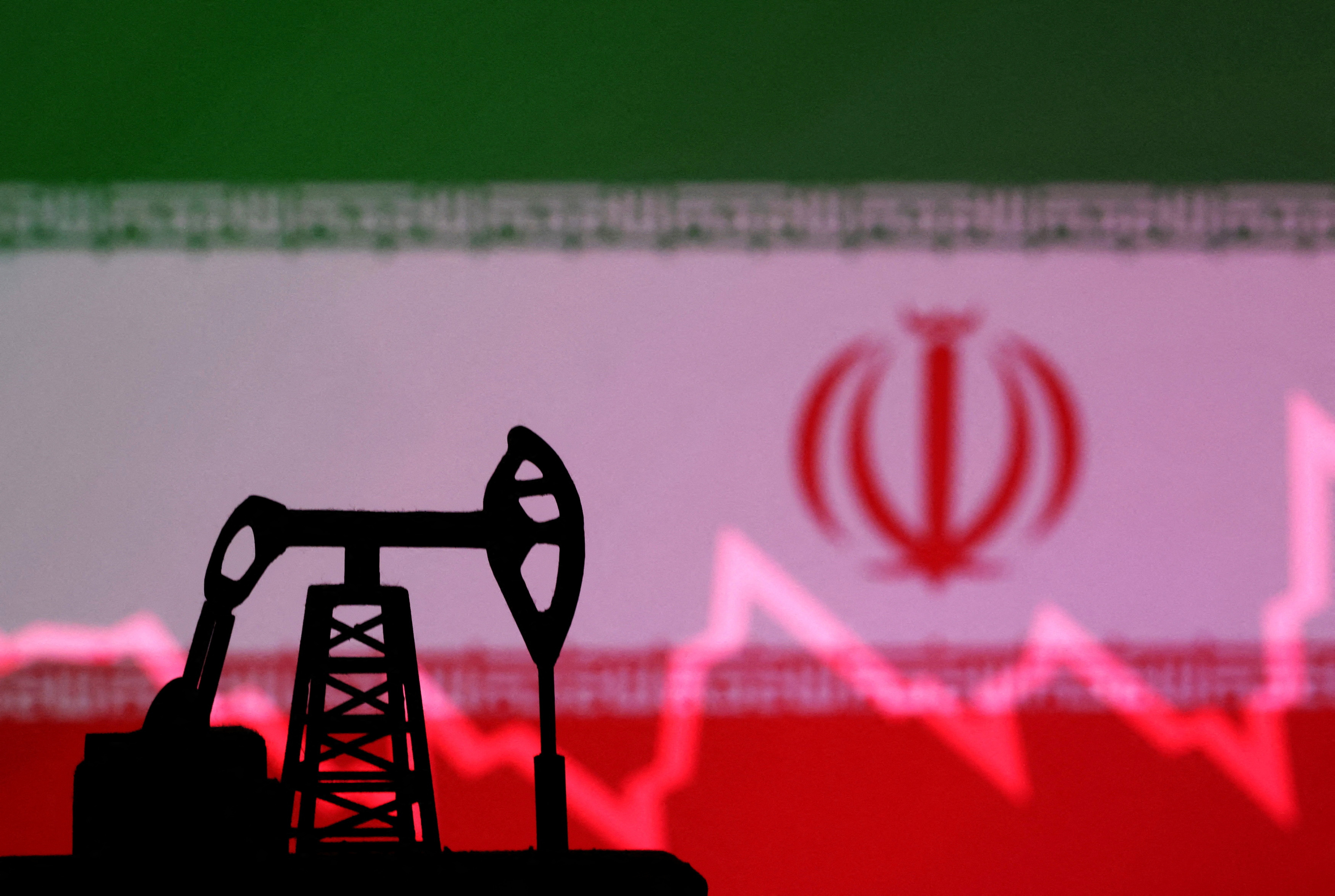
The timing of this blaze could not be worse. With the United States and Israel engaged in active conflict with Iran, the Strait of Hormuz—the world's most vital oil artery—is effectively a no-go zone.
- Brent Crude is already flirting with $150 per barrel.
- Shipping Insurance for tankers headed to Oceania has skyrocketed.
- Refining Margins are at record highs, making every lost hour of production at Geelong a multi-million dollar blow to the GDP.
The federal government’s recent decision to halve the fuel excise was a temporary political bandage on a systemic wound. You cannot tax-cut your way out of a physical shortage. If we cannot refine our own fuel, we are not a sovereign nation; we are a customer at the mercy of the highest bidder.
The Hard Reality for Consumers
Expect the "Price Cycle" to become a permanent upward climb. Retailers will use the Corio fire as a justification for immediate hikes at the pump, regardless of whether their specific stock comes from Geelong. This is how the market works: it prices in fear long before it prices in scarcity.
The Geelong refinery fire is a wake-up call that should have been heard ten years ago when the Kurnell and Bulwer Island refineries were shuttered. We have traded resilience for efficiency, and on Wednesday night, we saw the cost of that trade. The fire might be contained, but the crisis of Australia’s energy independence is just beginning to burn.