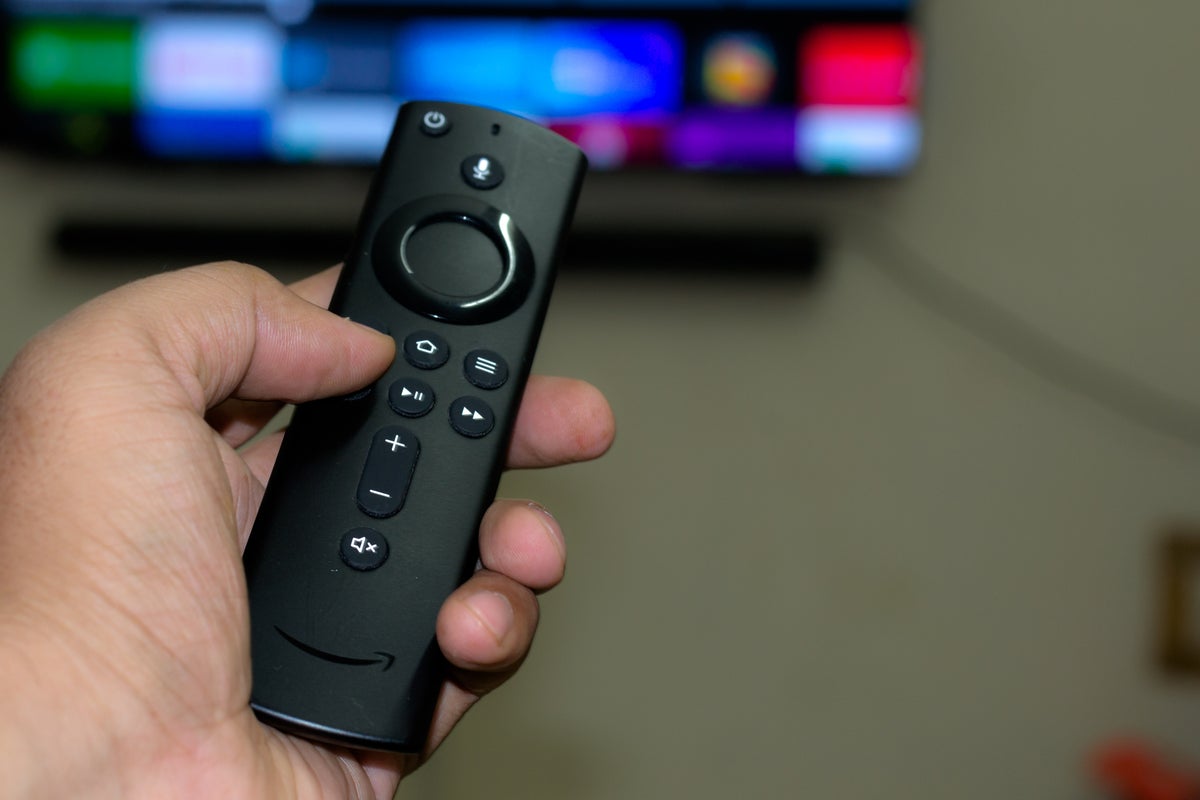
Amazon is currently facing a legal firestorm over allegations that it intentionally crippled older Fire TV devices to force hardware upgrades. The lawsuit, filed by frustrated consumers, claims that recent software updates effectively "bricked" functional equipment, rendering it useless under the guise of security or performance enhancements. While the retail giant maintains these updates are necessary for a modern streaming experience, the line between technical progress and planned obsolescence has become dangerously thin.
At the heart of the controversy is a fundamental shift in how Amazon views its hardware ecosystem. For years, the Fire TV Stick was a low-margin gateway designed to pull users into the Prime Video funnel. Now, as the market reaches saturation, the strategy has shifted from acquisition to monetization and forced refreshment.
The Hidden Architecture of the Kill Switch
When a device "bricks," it doesn't always mean it won't turn on. In the context of the Fire TV litigation, it refers to a degradation of service so severe that the device no longer fulfills its primary function. Users report infinite boot loops, "critically low storage" warnings that persist even after factory resets, and an interface so sluggish it feels like wading through digital molasses.
This isn't just bad luck. It is the result of resource-heavy operating system bloat being pushed to hardware with meager specifications.
Most early Fire TV Sticks shipped with only 1GB of RAM and 8GB of internal storage. In 2014, that was sufficient. In 2026, it is a digital coffin. Amazon’s Fire OS has grown increasingly aggressive with its background processes. The home screen is no longer a simple grid of apps; it is a high-definition video billboard that auto-plays trailers and runs complex ad-tracking scripts in the background.
When a 2018-era Fire Stick attempts to load the 2024 or 2025 version of Fire OS, the hardware hits a thermal and computational ceiling. The processor throttles to stay cool, the RAM overflows, and the device freezes. To the average user, the device is broken. To a cynical analyst, it is a nudge toward the checkout counter.
The Revenue Gap Forcing Amazon’s Hand
To understand why Amazon would risk a class-action lawsuit, you have to look at the math of the streaming business. Amazon’s "Devices and Services" division, which includes Alexa and Fire TV, has historically been a massive money loser—reportedly bleeding billions of dollars annually.
The internal pressure to turn the Fire TV ecosystem into a profit center is immense. This pressure manifests in three ways that directly harm the longevity of older hardware:
- Ad-Heavy Interfaces: Modern Fire OS builds are designed to serve more advertisements per square inch of screen real estate. These ads require more processing power than the actual streaming apps.
- Data Harvesting: The background telemetry required to track user behavior for targeted advertising has become significantly more complex, eating up precious CPU cycles.
- App Compatibility: Amazon has been accused of allowing or even encouraging third-party developers to drop support for older APIs, making popular apps like Netflix or Disney+ crash on older Fire Sticks while working perfectly on the latest "4K Max" version.
The lawsuit alleges that Amazon knew these updates would overwhelm older chips. If a company pushes a software update knowing it will destroy the functionality of a product the consumer already paid for, it ceases to be an "update" and becomes an act of property damage.
Security as a Convenient Scapegoat
Amazon’s defense typically hinges on security. They argue that older versions of Fire OS contain vulnerabilities that can only be patched by moving to a newer, more demanding architecture. This is a powerful shield in the tech industry. No judge wants to rule against a company for trying to protect its users from hackers.
However, this argument falls apart when you examine the concept of Long-Term Support (LTS). In the world of enterprise computing, companies provide "security-only" patches for old hardware. These patches fix the holes without changing the user interface or adding resource-intensive features.
Amazon chose not to do this. Instead, they opted for a "one-size-fits-all" update strategy that forces the latest, heaviest software onto every device connected to the internet. By failing to offer a lightweight security patch for older models, Amazon effectively prioritized its ad-driven interface over the continued utility of the hardware its customers already owned.
The Fire OS 8 Wall and the Proprietary Lockdown
The technical "smoking gun" in many of these complaints is the transition to newer versions of Fire OS that are based on more recent Android versions. As Amazon moves its ecosystem away from its Android roots toward its new, proprietary "Vega" operating system, the bridge for older devices is being burned.
Vega is built from the ground up to be more efficient, but it is also built to be a closed loop. Devices stuck on the old Fire OS are being left in a wasteland where apps are no longer updated. If you own a device that cannot run the new OS, you are essentially holding a plastic shell.
The lawsuit highlights that Amazon frequently runs "trade-in" promotions simultaneously with these software updates. They send an email telling you your device is "slowing down" and offer a $5 credit toward a new one. This creates a manufactured upgrade cycle that mimics the smartphone industry but without the transparency.
How to Tell if Your Device is Being Throttled
If you suspect your Fire TV Stick is being intentionally degraded, there are specific symptoms to monitor. This isn't about a slow internet connection; it's about local hardware failure.
- UI Lag vs. Video Lag: If your movie plays fine once it starts, but the home screen takes 30 seconds to load, your hardware is being choked by Amazon’s background ad processes.
- The Storage Paradox: You delete every app, yet the device still claims it is out of space. This is often caused by massive "system logs" and "cache files" generated by the new OS that the user cannot delete.
- Remote Disconnects: Newer software often uses different Bluetooth polling rates. Older Sticks struggle to maintain a connection with the remote under the new OS, leading to the "Remote Not Detected" screen of death.
The reality is that Amazon controls the servers, the software, and the storefront. When you buy a Fire Stick, you aren't really buying a piece of hardware; you are buying a revocable license to access their ecosystem. The current lawsuit is a desperate attempt by consumers to reclaim the "ownership" part of that equation.
The Environmental Cost of Forced Upgrades
Beyond the legal and financial implications lies a staggering environmental disaster. Millions of Fire TV Sticks are now heading to landfills. These devices contain lithium, copper, and various rare earth metals that are difficult to recycle.
By "bricking" hardware that was perfectly capable of playing a 1080p stream, Amazon is contributing to a massive spike in electronic waste. In a world where companies constantly tout their "green" credentials, the forced obsolescence of millions of functional streaming sticks is a glaring hypocrisy. A Fire Stick doesn't wear out like a pair of shoes. The silicon inside doesn't lose its ability to process code. It only stops working because the person who wrote the code decided it should.
Breaking the Cycle
For those who want to avoid this trap, the options are becoming limited but remain vital. You can attempt to "de-bloat" your Fire Stick using third-party tools to block Amazon’s update servers, though this requires a level of technical skill the average user lacks.
The more effective solution is to vote with your wallet. The "dumb" TV is dead, but your choice of "smart" interface isn't. When a company demonstrates that it views its customers as recurring hardware targets rather than long-term owners, the only rational response is to move to platforms that offer longer support windows or more transparent update policies.
If the lawsuit succeeds, it could set a massive precedent for the "Right to Repair" and the "Right to Remain Functional" in the age of the cloud. Until then, the best way to fix a bricked Fire Stick isn't to buy a new one—it's to realize that the person who broke it shouldn't be the one you pay to replace it.
Check your current version of Fire OS in the settings menu. If you see a pending update and your device is more than three years old, think twice before clicking "Install." You might be signing your hardware's death warrant.