A single mother in a basement in Ohio stares at a spreadsheet until her eyes blur. A retired programmer in Berlin tracks flight paths of private jets. A student in Manila cross-references corporate registries with leaked tax haven documents. They have never met. They likely never will. Yet, together, they are dismantling the concept of the "private" scandal.
We used to rely on a specific breed of person to tell us the truth: the investigative journalist with a trilby hat and a leather notebook, or the government whistleblower who risked a prison cell to hand over a manila envelope in a parking garage. That world is gone. It has been replaced by a decentralized, caffeinated, and often chaotic swarm of internet sleuths. They don't wait for the evening news. They are the news.
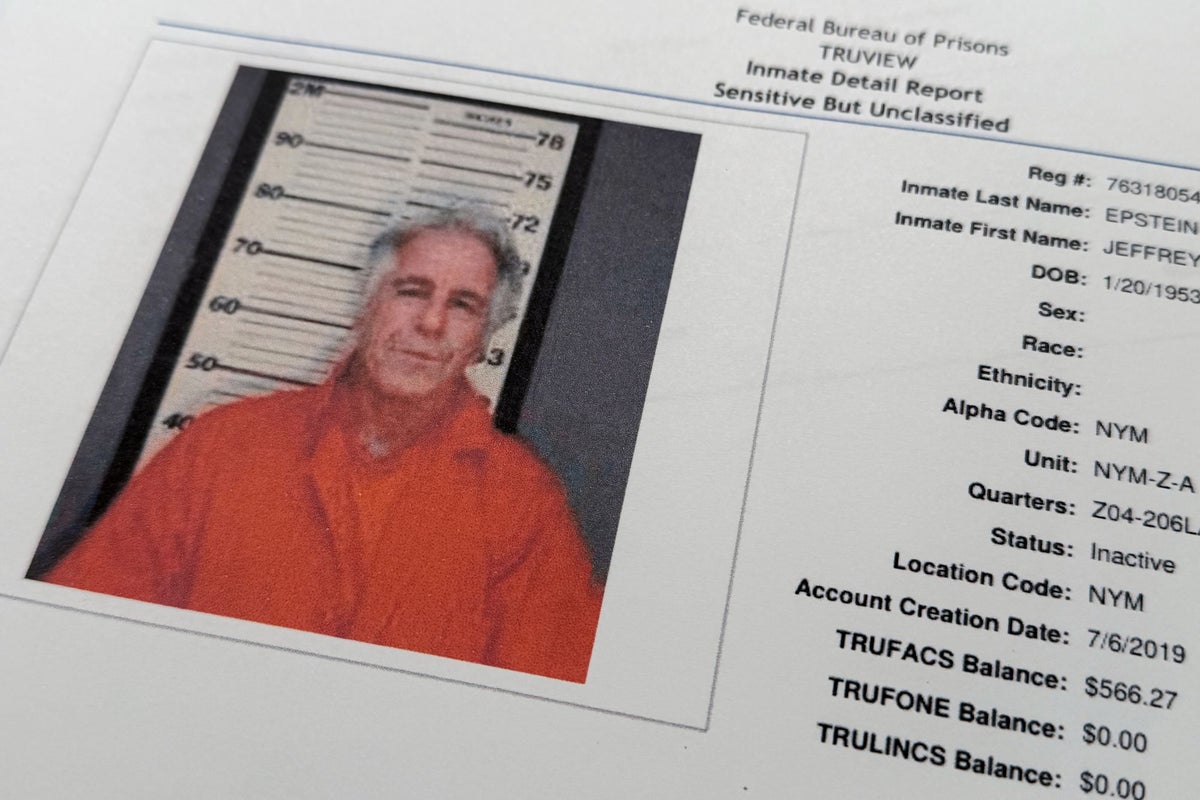
From the massive data dumps of WikiLeaks to the redacted, ink-stained pages of the Jeffrey Epstein files, the act of "finding out" has been democratized. But as the gatekeepers lose their keys, we have to ask: is a world with no secrets actually safer, or are we just watching a high-speed car crash in slow motion?
The Anatomy of the Leak
When WikiLeaks first burst into the public consciousness, it felt like a lightning strike. It wasn't just about the information; it was about the sheer volume. Traditional journalism is a scalpel. Crowdsourced sleuthing is a sledgehammer.
Consider the hypothetical case of "Sarah," a data analyst who spends her weekends scouring public records. Sarah isn't a spy. She doesn't have a security clearance. But she has something the CIA doesn't: she has ten thousand other "Sarahs" who share her obsession.
The power of the internet sleuth lies in the "parallel processing" of human curiosity. While a single reporter might take months to find a pattern in a million documents, a subreddit of ten thousand enthusiasts can find it in an hour. This is the new transparency. It's messy. It's loud. It's often terrifying.
The Epstein files are a different beast entirely. Here, the "truth" wasn't stolen; it was released, bit by bit, through legal battles. But the analysis of those files? That's where the internet sleuth lives. They don't just read the names. They map the connections. They find the photo from 2002 that matches the tail number of a plane. They create a digital web of accountability that no single government agency has the resources—or the political will—to build.
The Human Cost of Transparency
It's easy to cheer for the underdog when they are taking down a billionaire or exposing a war crime. But transparency isn't a one-way street. It's a flood.
When the walls of privacy are knocked down, everyone gets wet. The internet sleuth doesn't always distinguish between "public interest" and "public curiosity." We've seen it before: a name appears in a document, a social media army descends, and a life is ruined before the "truth" can even put its shoes on.
The stakes are invisible until they aren't.
Think about the collateral damage. For every high-profile villain exposed in a data dump, there are dozens of ordinary people whose private lives are suddenly, violently, made public. Their home addresses, their medical records, their family histories—all of it becomes fodder for the digital mill.
Is this the price of a more honest world? Or are we just trading one form of tyranny for another? The power of the "crowd" is a double-edged sword that cuts through the innocent just as easily as the guilty.
The Filter and the Flame
There is a fundamental difference between data and information. Data is a mountain of cold, hard facts. Information is what happens when those facts are given context.
The internet sleuth is great at gathering data. They are, quite frankly, unmatched. But they are often terrible at context. Without the rigorous standards of traditional journalism—the fact-checkers, the legal reviews, the ethical guidelines—the "truth" becomes a choose-your-own-adventure story.
In the case of the Epstein files, the absence of a central narrator has led to a thousand different conspiracy theories. Some are grounded in reality. Others are wild, dangerous fantasies. When everyone is an investigator, nobody is an editor. This is the "Filter Problem."
We are living in an era where the flame of curiosity is burning brighter than ever. But without a chimney to guide the smoke, it's just filling the room with soot. The transparency we crave is being delivered in a way that makes it harder, not easier, to see what's actually happening.
The New Gatekeepers
If you think the era of the gatekeeper is over, you aren't looking closely enough. The gatekeepers haven't disappeared; they've just changed their uniforms.
Yesterday's gatekeepers were the editors at the New York Times or the producers at BBC News. Today's gatekeepers are the algorithms that decide which "leak" goes viral and which one stays buried on page ten of a search result. They are the moderators of a subreddit who decide which "investigation" is valid and which is a "conspiracy theory."
The internet sleuth is at the mercy of the platform. If the platform wants the world to see the Epstein files, they will. If the platform wants to bury the latest WikiLeaks dump, it's as good as gone. This is the illusion of decentralized power. We think we are the ones in control, but we are just clicking the buttons on a machine we don't understand.
Transparency is only as good as the medium through which it is delivered. If the medium is biased, the transparency is a lie.
The Silent Search for Truth
At its core, the rise of the internet sleuth is a symptom of a much larger problem: a total collapse of trust. We don't believe the government. We don't believe the media. We don't even believe our own eyes anymore.
So we go looking for the "real" truth ourselves. We dive into the spreadsheets. We track the planes. We read the redacted files. We search for a signal in the noise because we're tired of being lied to.
But the search for truth is a lonely, exhausting business. It requires more than just an internet connection; it requires a level of discernment that is increasingly rare in our "click-first, think-later" culture.
The "transparency" offered by internet sleuths is a mirror of our own collective anxiety. We want to know everything because we're afraid of what we don't know. We want the secrets out in the open because we're tired of being the ones kept in the dark.
But there is a reason some things are kept in the dark. Not everything is a conspiracy. Some things are just private. Some things are just messy. Some things are just... human.
As the walls continue to crumble, we have to decide what kind of world we want to live in. Do we want a world where every mistake is archived, every secret is a weapon, and every person is a potential target for the digital mob? Or do we want a world where transparency is a tool for justice, not a sport for the bored?
The files are open. The data is out there. The crowd is waiting.
The only thing missing is the wisdom to know what to do with it all.
A single mother in Ohio closes her laptop. The screen goes dark, but the questions remain. She has found the data. She has seen the connections. But as she walks away from the glow of the monitor, she realizes that the "truth" hasn't made her feel any safer. It has just made the world feel a little bit smaller, and a whole lot louder.
The secrets are gone, but the mystery remains.


