France is selling a fantasy. The glossy brochures from Paris describe a "groundbreaking nuclear offer" to decarbonize Europe, promising a unified energy front led by the mighty Électricité de France (EDF). It sounds like a grand act of European solidarity. It isn't. It is a desperate attempt to socialize the astronomical costs of a decaying domestic industry by offloading the risk onto neighbors who are too desperate to check the fine print.
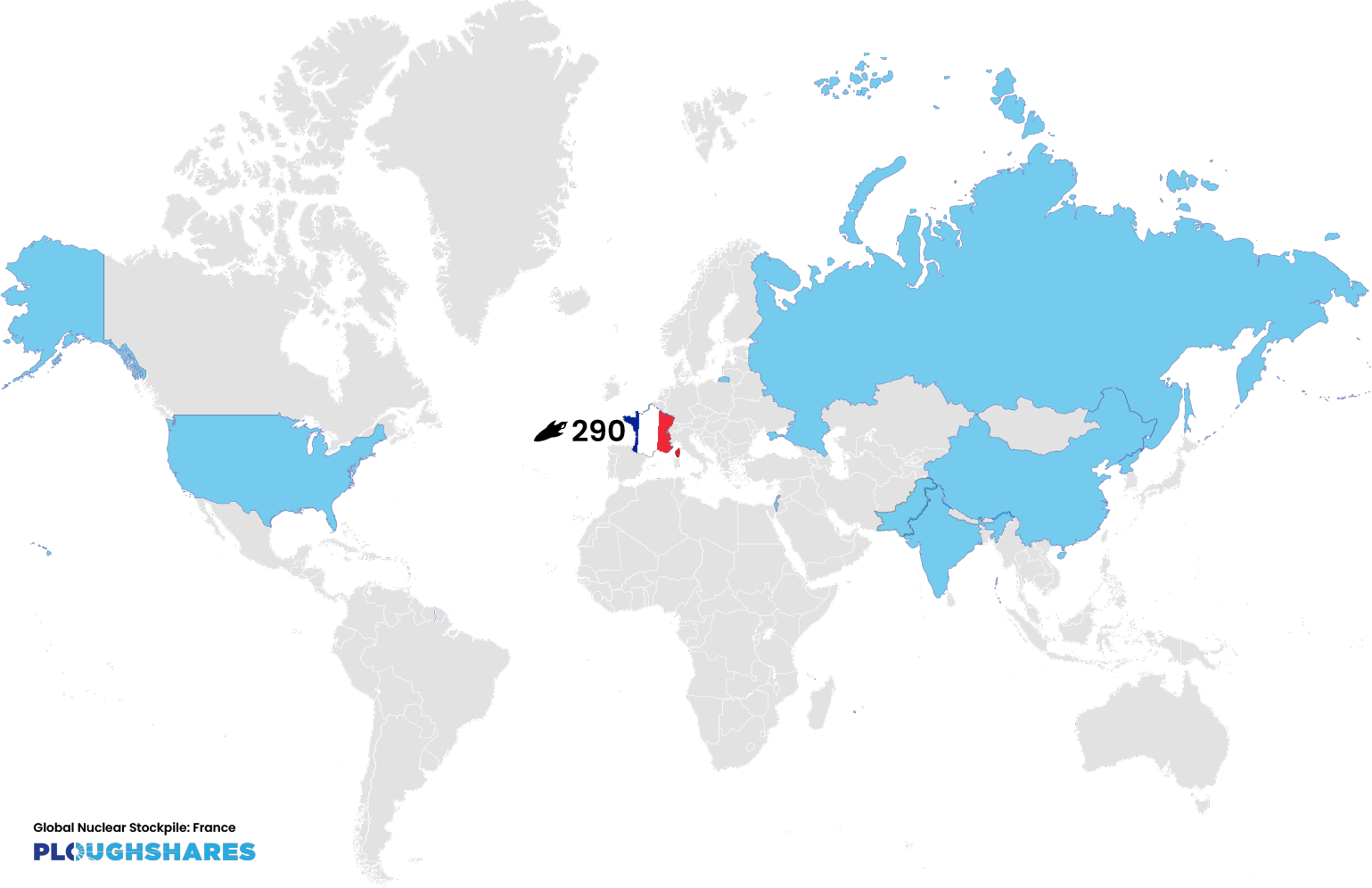
The consensus view suggests France is the "battery of Europe." People see the 56 reactors and the historical low-carbon edge and assume the French model is the blueprint for the 21st century. They are wrong. They are looking at a snapshot of the 1980s and calling it a vision for 2030.
I have spent years watching energy markets swallow "too big to fail" promises. I have seen the balance sheets. The reality is that France’s nuclear fleet is a ticking financial time bomb, and this "offer" to Europe is nothing more than an invitation to help pay for the fuse.
The Flamanville Fiasco is the Real Blueprint
Before any European nation signs a memorandum of understanding with EDF, they need to look at Flamanville 3. This isn't a outlier; it is the standard. Originally pitched to cost €3.3 billion and open in 2012, it has ballooned to over €13 billion (by the Cour des Comptes’ more realistic estimates, closer to €19 billion) and faced a decade of delays.
This is the European Pressurized Reactor (EPR) technology being hawked to Poland, the Czech Republic, and the Netherlands. It is a masterpiece of over-engineering that has proven almost impossible to build on time or on budget in Western regulatory environments. When France offers "standardized" solutions, they are standardizing failure. They are exporting a construction culture that has forgotten how to pour concrete without triggering a five-year inquiry.
The Myth of Energy Sovereignty
The marketing hook is "sovereignty." Proponents argue that by adopting French nuclear tech, Europe breaks its reliance on Russian gas and Chinese solar panels. This is a pivot from one dependency to another.
France does not mine its own uranium. It relies heavily on imports from Kazakhstan, Uzbekistan, and Niger. While proponents claim nuclear fuel is easier to stockpile than gas, the geopolitical strings are just as tight. If Europe goes "all in" on the French offer, the continent’s energy security isn't held by "Europe"—it’s held by the Quai d'Orsay.
If you think Gazprom was a difficult partner, wait until you try to negotiate energy prices with a French government facing a domestic strike. When the French fleet struggled with "stress corrosion" cracks in 2022, nearly half their reactors went offline. France went from being the continent’s exporter to a desperate importer, driving up prices for everyone else.
"True sovereignty isn't switching masters; it's diversifying the portfolio. Centralizing Europe's energy future under a single state-owned French monopoly is the antithesis of resilience."
The Opportunity Cost Nobody Mentions
The math of the "Nuclear Renaissance" ignores the concept of velocity. We are told we need nuclear for "baseload." This is a 20th-century term for a grid that doesn't know how to be flexible. In a world of plummeting storage costs and ultra-cheap renewables, locking a nation into a 60-year debt cycle for a single power plant is financial malpractice.
Imagine a scenario where Poland spends $40 billion on a two-reactor French plant that won't deliver a single kilowatt until 2040. In that same twenty-year window, the compounding efficiency of solar, wind, and long-duration energy storage (LDES) will likely have made the Levelized Cost of Energy (LCOE) from that nuclear plant look like a luxury tax.
Nuclear isn't competing with the coal of today. It's competing with the battery technology of 2035. By the time these "groundbreaking" French reactors are online, they will be the most expensive way to boil water on the planet.
The Hidden Subsidy Trap
France’s nuclear industry survives on the life support of the French taxpayer. EDF is now 100% state-owned because its debt load was so massive it couldn't function as a private entity. When France offers these deals to Europe, they aren't offering a market-rate product. They are offering a product backed by a "Contracts for Difference" (CfD) scheme that guarantees a high price for electricity for decades.
This is a wealth transfer from the future citizens of the purchasing country to the French industrial complex. It’s a protectionist racket dressed up as climate policy. They want to lock your grid into their tech stack so you are forced to buy their fuel assemblies, their maintenance contracts, and their decommissioning services for the next century.
The Intermittency Lie
The most common "People Also Ask" query is: "Can we run a grid on 100% renewables?" The nuclear lobby answers with a resounding "No," citing intermittency. This is a half-truth used to justify massive, inflexible assets.
The real challenge isn't that the sun doesn't always shine; it’s that nuclear plants hate to be turned off. They are "must-run" assets. When renewables are surging and prices go negative, nuclear plants continue to churn out expensive power that nobody wants, or they have to pay the grid to take it.
France’s "offer" forces Europe to build a grid around the limitations of nuclear, rather than the opportunities of flexibility. It stunts the growth of smart grids, demand-response technology, and decentralized production. It is a centralized solution for a decentralized age.
The Skills Gap Is a Chasm
France claims it can scale this offer across the continent. With what workforce? The generation of engineers that built the original French fleet in the 70s is long retired. The new generation is learning on the fly at sites like Hinkley Point C in the UK—another project plagued by massive cost overruns and delays.
When you buy a French reactor, you aren't buying a polished product. You are paying for EDF’s training ground. You are subsidizing the rebuilding of a French industrial base that eroded over thirty years of inaction. You are the guinea pig.
The Toxic Legacy of Decommissioning
Ask a French official about the total cost of decommissioning and waste storage, and watch the hand-waving begin. The "offer" focuses on the "clean" energy produced, but ignores the multi-billion euro tail of nuclear waste management.
By tying yourself to the French nuclear ecosystem, you are tying yourself to their waste solutions—or lack thereof. CIGÉO, the French deep geological repository, is still a project of immense controversy and uncertain final costs. If you buy the reactor, you are buying a share of that uncertainty.
Stop Asking if Nuclear is "Clean"
The question isn't whether nuclear is low-carbon. It is. The question is whether it is viable.
In the time it takes to build one French EPR, you could deploy enough wind and solar to offset five times the carbon, and you could do it in increments that don't bankrupt the national treasury. Nuclear proponents call this "unserious." I call it "basic arithmetic."
The French offer isn't about saving the climate. It’s about saving EDF. It’s about ensuring that French industrial policy remains relevant in a world that is moving toward smaller, faster, and cheaper energy solutions.
If you want to decarbonize, invest in the grid. Invest in storage. Invest in the technology that is getting cheaper every year, not the one that has gotten more expensive every decade for the last fifty years.
Don't buy the French vintage. It's corked.
Stop looking for a "grand bargain" and start looking at the balance sheet. If a deal requires a 60-year state guarantee to make sense, it’s not a deal—it’s a hostage situation.
Build for the 2050 grid, not the 1970 ego.