You've seen the grainy footage of orange streaks raining down over Tel Aviv and Jerusalem. It looks like a sci-fi movie, but for the millions of people huddling in bomb shelters on October 1, 2024, it was a terrifying reality. Iran launched nearly 200 ballistic missiles in a concentrated effort to overwhelm Israel's multi-layered defense shield. While the world watched the "dramatic moments" captured on smartphones, the real story isn't just about the explosions in the sky. It's about a fundamental shift in how this shadow war is being fought.
Iran didn't send slow-moving drones this time. They sent the heavy stuff. We're talking about Fattah-1 and Kheibar Shekan missiles—weapons designed to fly fast and hit hard. By ditching the "telegraphed" approach they used in April, Tehran aimed to prove they can punch through the most sophisticated air defense network on the planet. They succeeded in some places, but failed to change the strategic balance. Here is what actually happened when the "invincible" shield met a saturation strike.
The math of a saturation strike
Military analysts don't look at pretty pictures; they look at numbers. In the April 2024 attack, Iran sent a mix of drones, cruise missiles, and about 120 ballistic missiles. Israel and its allies swatted away 99% of them. But on October 1, Iran changed the variables. They fired approximately 181 ballistic missiles in two massive waves. By removing the slow drones from the equation, they compressed the response time for Israeli operators to mere minutes.
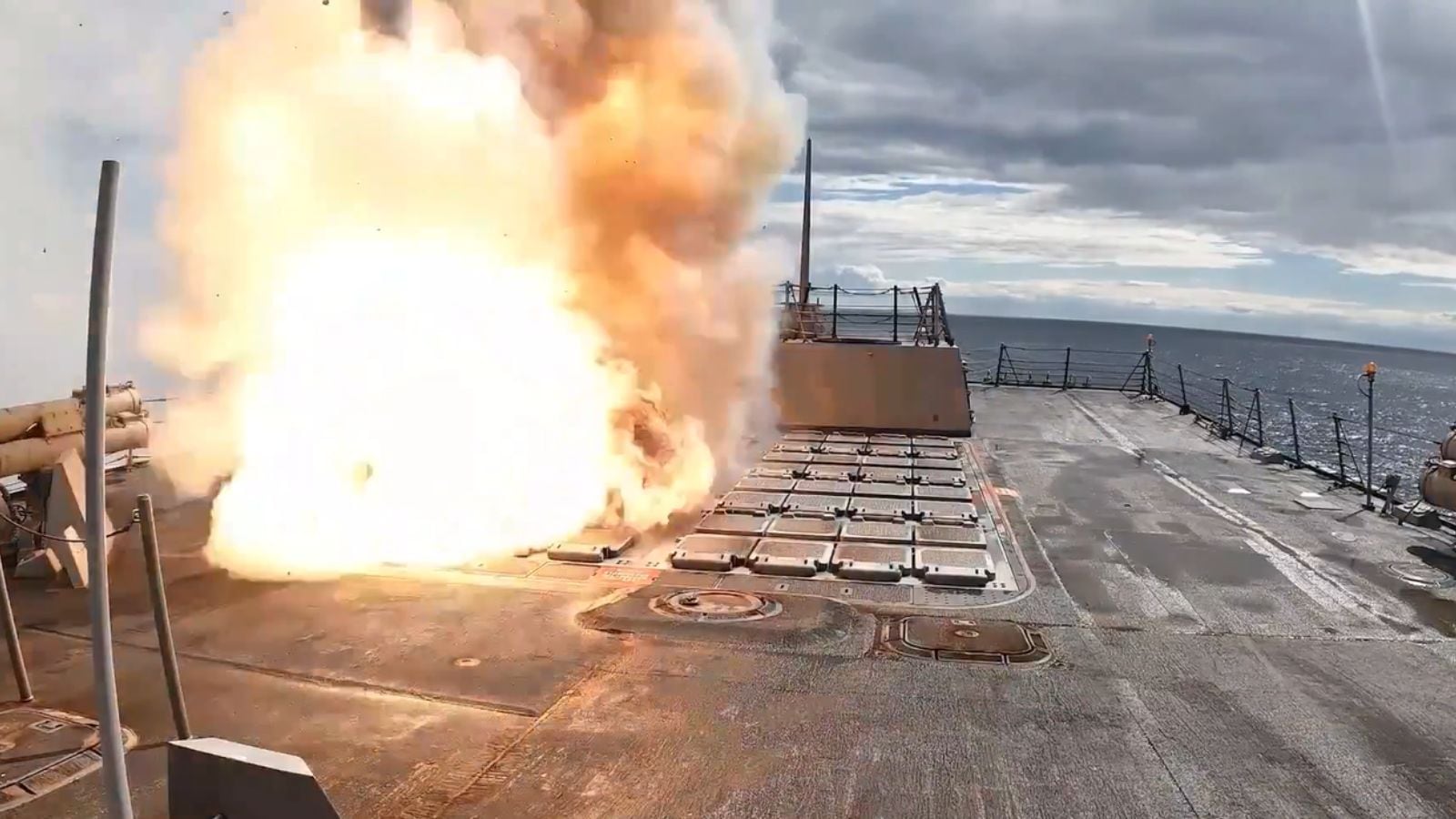
Ballistic missiles don't dawdle. They exit the atmosphere and scream back down at hypersonic speeds. This forces systems like the Arrow 2 and Arrow 3 to work overtime. Think of it like a goalie facing five pucks at once instead of one. If you fire enough missiles at a single point, some will inevitably get through because the interceptors simply run out of time or targets to lock onto.
Where the missiles actually landed
Despite the "90% success rate" claimed by Iranian state media, the ground reality was different. Most missiles were intercepted or fell in open areas. However, there were clear hits. The Nevatim Airbase in the Negev desert took a beating, with satellite imagery later showing at least 32 impact points. A hangar was damaged, and a taxiway was cratered.
- Nevatim Airbase: Hit by roughly 32 missiles.
- Tel Nof Airbase: Several impacts reported.
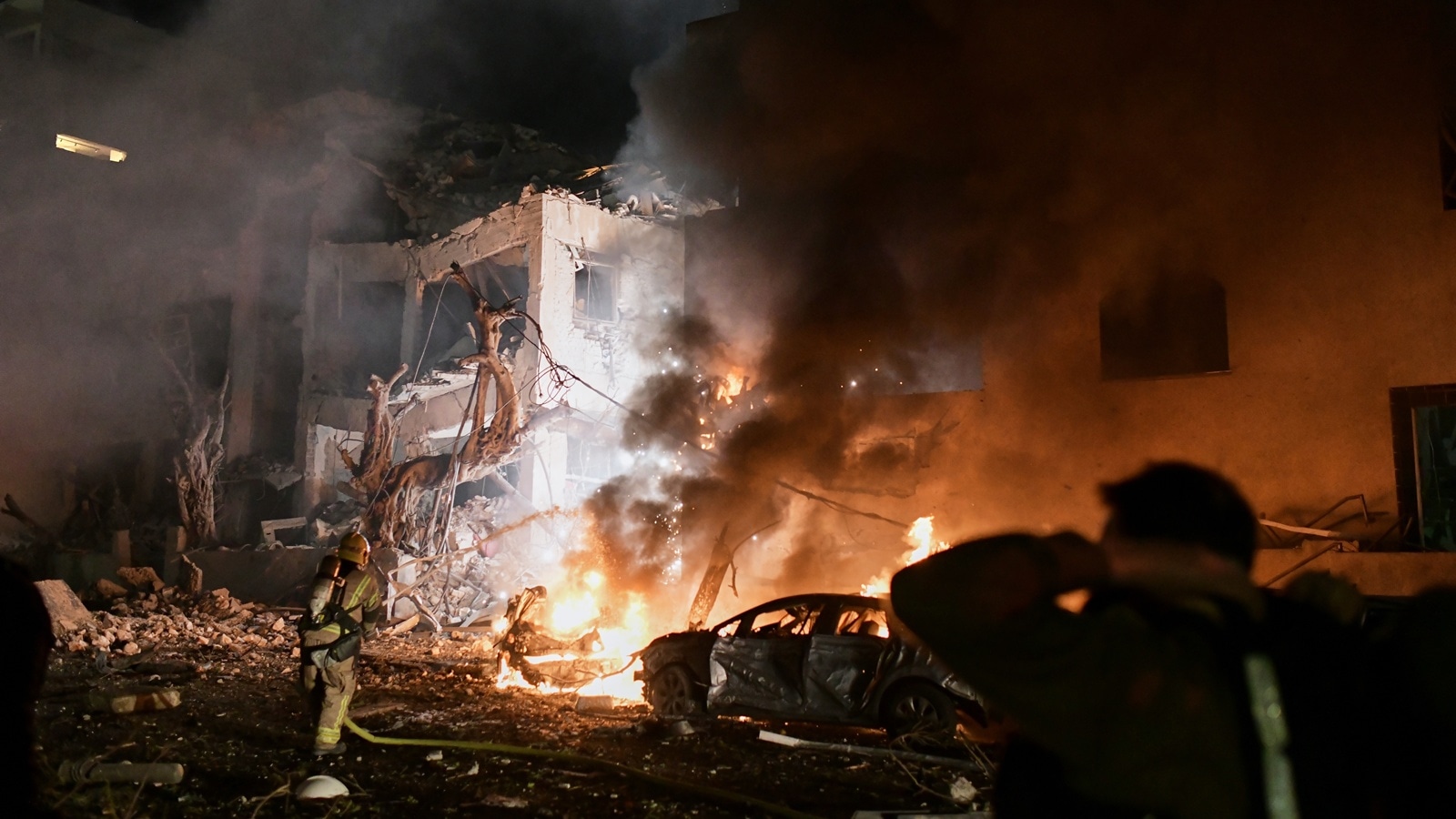
- Gedera: A school was severely damaged, leaving a massive crater.
- Tel Aviv: Shrapnel and direct hits damaged a restaurant and civilian property.
- Hod HaSharon: Around 100 homes were damaged by shockwaves and debris.
The IDF admitted that some bases were hit but insisted that "operational capability" remained at 100%. Basically, they're saying you can dent the car, but the engine still runs. The Israeli Air Force (IAF) didn't lose any jets, which is the metric that actually matters in a long-term conflict.
Why the shield didn't stop everything
I've talked to defense experts who point out a cold, hard truth: cost-benefit analysis. An Arrow 3 interceptor costs millions of dollars. A hangar made of corrugated metal and concrete costs a fraction of that to fix. If Israeli sensors determine a missile is headed for a "non-critical" patch of dirt or a secondary building, they might let it go to save the interceptor for a missile headed toward a skyscraper in Tel Aviv or a nuclear facility in Dimona.
This isn't a failure of the system; it's a managed defense. Israel's "layered" approach uses different tools for different jobs:
- Arrow 3: Hits targets in space (exo-atmospheric).
- Arrow 2: Hits them in the upper atmosphere.
- David's Sling: Handles medium-range threats that slip through.
- Iron Dome: The last line for short-range debris or smaller rockets.
During this strike, David's Sling played a much larger role than usual, catching the mid-range ballistic threats that the Arrow systems missed or deprioritized. It's a high-stakes game of "bullet hitting a bullet," and while it's impressive, it's not perfect.
The human cost of a "bloodless" barrage
Headlines often say "no Israeli fatalities," but that's a bit of a misnomer. While no one was killed directly by a missile impact in Israel, a Palestinian man in the West Bank, Sameh al-Asali, was killed by falling shrapnel. In Israel, one man died from a heart attack triggered by the sheer stress of the sirens and explosions.
We also shouldn't ignore the psychological toll. When you have 10 million people sitting in dark rooms listening to the sky tear apart, the "damage" isn't just physical. It's about the erosion of a sense of security. Iran knows this. Even if they don't blow up a single F-35, they've shown they can force an entire nation into bunkers at a moment's notice.
This was a prelude not a finale
If you think this was the end of the story, you haven't been paying attention. This October strike set the stage for the direct Israeli retaliation on October 26, where the IAF flew 1,000 miles to dismantle Iranian air defenses. That move, in turn, paved the way for the much larger escalations we've seen throughout 2025 and into early 2026.
The "dramatic moment" in October wasn't just a news clip; it was a stress test for the future of Middle Eastern warfare. It proved that while Israel’s tech is world-class, volume has a quality all its own. Iran is betting on quantity; Israel is betting on precision.
If you're tracking these developments, your next step is to look at the deployment of the Iron Beam laser system. It's designed to solve the "cost per intercept" problem by using light instead of multi-million dollar missiles. Keep an eye on the Golan Heights and southern borders—that's where the first operational tests are likely to happen as the regional "tit-for-tat" continues to evolve.