Everything about the Artemis 2 mission feels like a throwback to the 1960s, but the stakes in 2026 are completely different. When Reid Wiseman, Victor Glover, Christina Koch, and Jeremy Hansen strap into the Orion capsule, they aren’t just flying a tech demo. They’re carrying the weight of a multi-billion dollar program that has no room for error. People keep asking about the "secret" stuff—the things astronauts can't say—and honestly, the reality is more about physics and PR than some government conspiracy.
The buzz started when one of the crew members pulled back the curtain on the tight-lipped nature of pre-launch briefings. It’s not that they’re hiding aliens in a lunar crater. It’s that when you’re days away from sitting on top of a Space Launch System (SLS) rocket, every word you say is scrutinized by engineers, international partners, and a public that hasn’t seen a human leave Earth's orbit in over fifty years.
What the Artemis 2 Crew Is Actually Facing
This isn't a landing mission. Let’s be clear about that right now because there’s a lot of confusion. Artemis 2 is a ten-day flyby. They’re going to loop around the backside of the Moon, using gravity to slingshot back to Earth. It's the ultimate stress test for the life support systems. If the toilet breaks or the air scrubbers fail 230,000 miles away, you can't just "turn around" and come home in an hour.
The "I can't say this" moment usually refers to the internal mission rules and the specific "abort" triggers that NASA keeps close to the vest. NASA doesn't like to broadcast the exact scenarios where they’d have to pull the plug. It creates panic. It makes people think the hardware is shaky. But the hardware is the question mark. Orion has only flown once without a crew. Putting four humans on it is a massive leap in risk.
The Psychology of a Lunar Flyby
Imagine being Christina Koch or Victor Glover. You’re trained to be a cool-headed operator, but you're also a human being about to see the Earth shrink to the size of a marble. The psychological pressure is immense. When an astronaut says they can't talk about something, they might be referring to the "Family Support" protocols—the grim reality of what happens if the heat shield doesn't hold during reentry at 25,000 miles per hour.
We don't talk about the heat shield enough. During the Artemis 1 uncrewed test, the Avcoat material charred differently than expected. NASA spent months analyzing why small chunks of the shield wore away unevenly. They say it's fixed. They say it's "within margins." But "within margins" is a phrase that keeps astronauts awake at night.
Why the Artemis 2 Launch Date Keeps Shifting
Space is hard. It’s a cliché, but it’s true. The reason we see these "last minute" admissions of secrecy is that the timeline is a moving target. In 2026, we’re dealing with a supply chain that’s still recovering and a political environment where every delay costs millions.
- The SLS Rocket: It's the most powerful thing ever built, but it's also incredibly expensive. Every time they roll it out to the pad, the clock starts ticking on sensitive components.
- The Orion Capsule: It has to keep four people alive in a deep-space radiation environment. That's a huge step up from the International Space Station, which is still protected by Earth's magnetic field.
- Ground Systems: The mobile launcher at Kennedy Space Center took a beating during the first launch. Repairs and upgrades are constant.
The crew knows these vulnerabilities. They live with them. When you hear a pilot say they have to watch their words, they’re protecting the morale of thousands of workers who poured their lives into these machines.
Comparing Artemis to Apollo
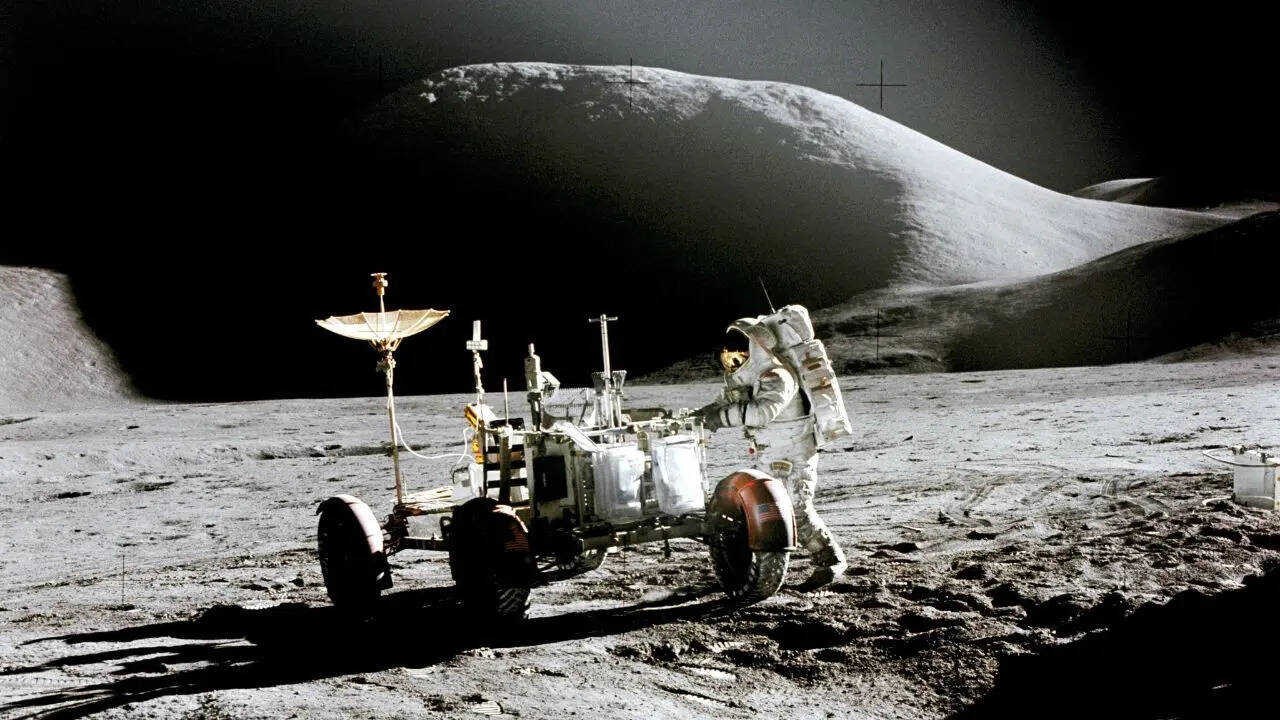
Apollo was a sprint. Artemis is a marathon. Back in the day, we accepted a level of risk that would be unthinkable now. If Apollo 8 had failed, the Cold War might have tipped. If Artemis 2 fails, the dream of a permanent lunar base—and eventually Mars—might die for a generation.
The Artemis 2 astronauts aren't just pilots; they're brand ambassadors for a version of the future where space belongs to everyone. That's a lot of PR training to navigate. You can't just go off-script and talk about how the vibration during the first stage burn might rattle your teeth out of your skull, even if that's the truth.
The Specifics of the Lunar Loop
The mission profile is a "Hybrid Free Return Trajectory." It's brilliant and terrifying. After they reach orbit, they’ll stay near Earth for a bit to make sure Orion is behaving. Then, they’ll kick it into high gear toward the Moon.
If anything goes wrong during that outbound leg, they have to finish the loop. They are committed. They will pass behind the lunar far side, lose communication with Houston for about half an hour, and then come screaming back toward the Pacific Ocean.
The heat shield will hit the atmosphere and reach temperatures of about 5,000 degrees Fahrenheit. For context, that’s about half as hot as the surface of the sun. The "I can't say this" might very well be about the specific "skip" entry maneuver they plan to use to bleed off speed. It’s never been done with people on board. It’s basically skipping a stone across a pond, but the stone is a multi-ton spacecraft and the pond is the Earth's atmosphere.
How to Follow the Mission Without the Hype
Don't just watch the NASA TV feed. It’s polished and sanitized. If you want to know what’s actually happening, follow the independent space journalists who track the "Notices to Airmen" (NOTAMs) and the fueling schedules at the Cape.
- Watch the T-minus 48-hour window. This is when the real technical "chatter" happens.
- Check the weather balloons. Wind shear at high altitudes is a bigger launch killer than rain.
- Listen to the post-launch briefings. That’s where the crew will finally be allowed to talk about the "sensory" experience—the smells, the sounds, and the real fear.
The Artemis 2 mission is a bridge. It’s the moment we stop pretending the Moon is just a light in the sky and start treating it like a destination again. Whether the astronauts can "say it" or not, the tension is the most honest thing about the whole endeavor.
Stay tuned to the scrub dates and the telemetry logs. The real story isn't in the scripted interviews; it's in the data coming off the pad in Florida. Watch the pressure gauges, not just the smiling faces on the press stage.