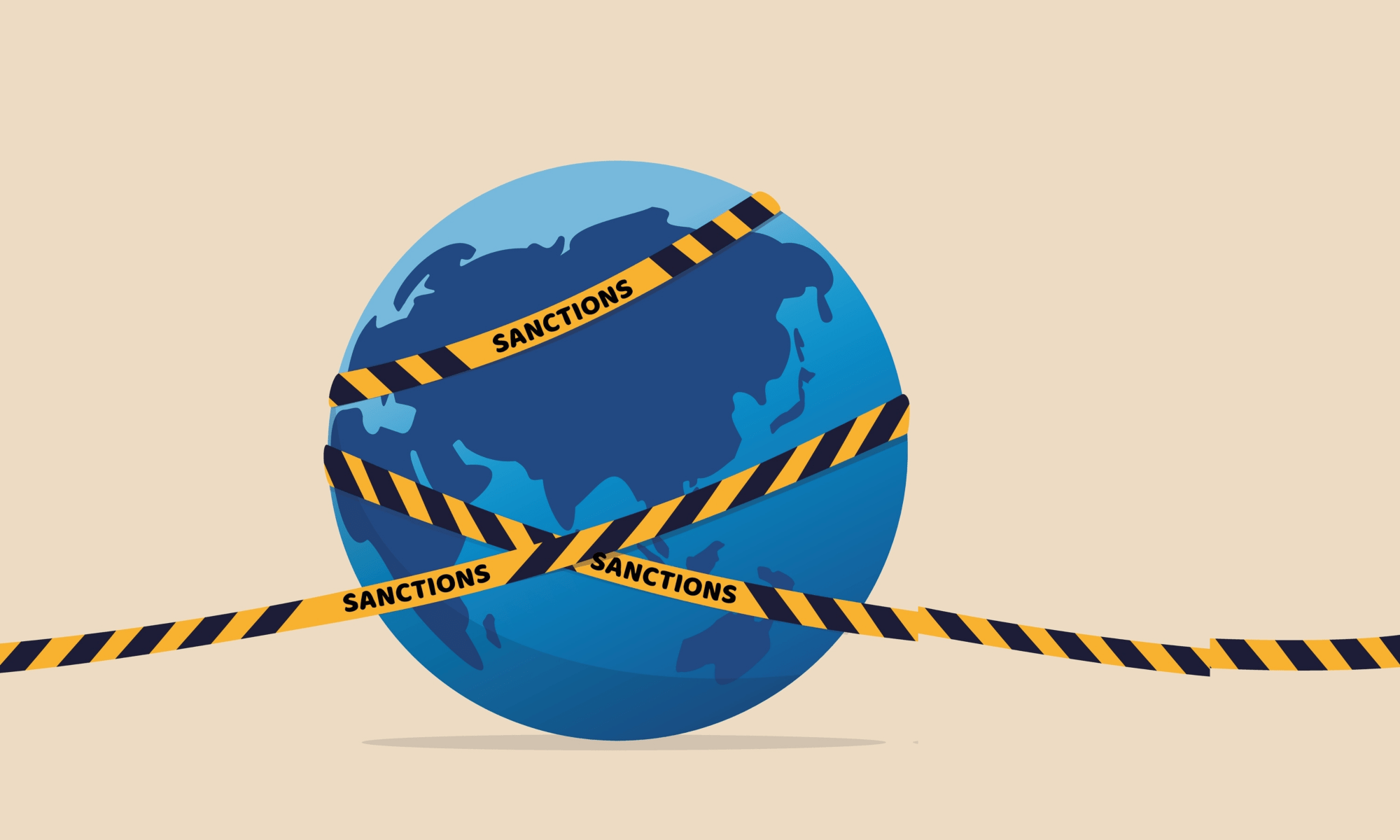
The French Foreign Ministry is patting itself on the back again. By pushing the European Union to slap sanctions on nine individuals for the horrors witnessed in Bucha, they are engaging in the most expensive form of moral theater available to modern states. It feels good. It makes for a tidy headline. It is also fundamentally useless if the goal is actual accountability or a shift in geopolitical reality.
We have seen this cycle repeat for decades. A tragedy occurs, the world recoils, and bureaucrats reach for the "Individual Designations" lever. It is the diplomatic equivalent of trying to stop a forest fire by issuing a restraining order against a single spark. While the media focuses on the names of mid-level commanders or local administrators, they miss the systemic machinery that makes their actions possible—and inevitable.
The Myth of the Deterrent Effect
The "lazy consensus" among EU policymakers is that targeting the personal assets and travel privileges of specific officers will create a "chilling effect" throughout the chain of command. This assumes that a colonel in the field, operating under a high-pressure military hierarchy, is weighing his long-term ability to vacation in the French Riviera against his immediate orders.
It’s a fantasy.
I’ve watched these policy rooms operate. They treat sanctions as a scalpel when the situation requires a sledgehammer. By focusing on nine people, the EU implicitly suggests that the problem is a few "bad apples" rather than a state-sponsored structural doctrine. When you individualize systemic war crimes, you provide a shield for the institutions behind them. If only nine people are responsible, the rest of the apparatus can breathe a sigh of relief.
Financial Ghost Hunting
Let’s talk about the money. The EU loves to announce asset freezes. It sounds powerful. It sounds definitive. In reality, it’s often an exercise in vanity.
- Asset Location: High-level targets involved in operations like those in Bucha rarely hold accounts in their own names at Deutsche Bank or BNP Paribas. They use layers of proxies, shell companies in non-aligned jurisdictions, and crypto-assets that exist outside the reach of Brussels.
- The "So What" Factor: For many of these individuals, being on an EU sanction list is not a punishment; it’s a badge of loyalty to their home regime. It cements their status within the inner circle.
- Enforcement Gaps: Even when assets are identified, the legal hurdles to actually seizing them—rather than just freezing them—are mountainous. We are currently stuck in a loop where billions are "frozen" but cannot be used for reparations because of the very property laws the West prides itself on.
The Sanction Treadmill
The more we use individual sanctions as a primary tool, the less effective they become. We are witnessing "sanction fatigue" on a global scale. When you sanction everyone from the head of a state-run media outlet to a tactical commander, the stigma vanishes. It becomes white noise.
The French minister’s announcement is a pivot away from the harder, more uncomfortable conversations about energy dependence, trade loopholes, and the massive flow of dual-use technology that still finds its way into conflict zones. It’s much easier to sign a piece of paper banning nine guys from visiting the Eiffel Tower than it is to dismantle the shadow fleets and third-party intermediaries that keep a war machine lubricated.
How to Actually Break the Machine
If the EU wanted to move beyond the theater of the absurd, they would stop focusing on the "who" and start strangling the "how."
- Secondary Sanctions with Teeth: The current model targets the individual. A superior model targets anyone—anywhere in the world—who does business with the entities that employ those individuals. If a bank in a neutral country processes a payment for a sanctioned unit’s logistics provider, that bank should lose access to the Eurozone. Period.
- Corporate Liability for Supply Chains: We know that Western components often end up in the hardware used on the ground. Instead of chasing nine soldiers, the EU should be levelling ruinous fines on their own domestic firms that fail to verify where their sensors, chips, and engines end up.
- The Transparency Nuke: Force every entity operating within the EU to disclose ultimate beneficial ownership in a public, searchable database. No more hiding behind "Trusts" in Cyprus or "Holdings" in Luxembourg.
The obsession with "naming and shaming" individuals ignores the fact that these regimes have no shame. They operate on a logic of survival and power. Individual sanctions are a minor overhead cost for them—a tax on doing business that they are more than happy to pay as long as the core structures remain untouched.
The Risk of Our Own Hubris
There is a downside to my skepticism that I must acknowledge: individual sanctions are sometimes the only tool left when military intervention is off the table and total economic embargoes are too painful for the domestic electorate. They provide a sense of "doing something."
But "doing something" is not a strategy. It’s a sedative.
By settling for these targeted lists, we give ourselves permission to look away from the broader failure of international law. We pretend the scales are being balanced while the heavy lifting of dismantling a war economy goes ignored. We are effectively trying to prosecute a gang war by ticketing the getaway driver for a broken taillight.
Stop asking who is on the list. Start asking why the list is the only thing we’re willing to build.
Until the EU is ready to impose the kind of systemic, sector-wide pressure that actually hurts their own GDP, these individual designations are just ink on a page. They provide moral cover for political inaction. They are a victory for the bureaucrats, a headline for the ministers, and a rounding error for the aggressors.
Liquidate the shadow accounts. Cut the fiber optic cables. Shut the ports. Or admit that nine names on a list is just a way to sleep better at night while the world burns.