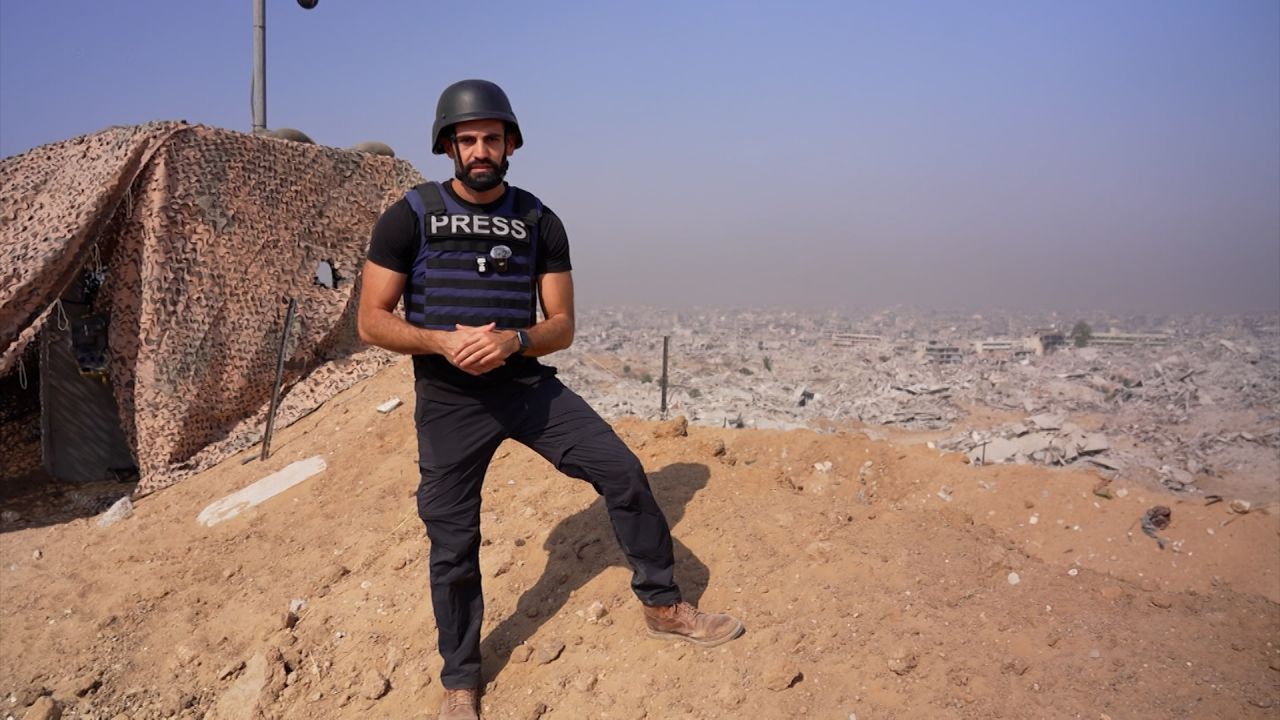
The shelves in Gaza City are not empty, but they are haunted. For parents preparing for Eid al-Fitr, the traditional celebration marking the end of Ramadan, the simple act of buying a plastic toy truck or a doll has become a masterclass in forensic accounting and logistical frustration. While global attention often focuses on the immediate metrics of conflict—tonnage of explosives or calorie counts of aid—the granular destruction of the consumer economy remains a quiet, agonizing slow-burn.
In Gaza, the cost of a basic toy has surged by over 200 percent compared to previous years. This is not merely a byproduct of general inflation or the "cost of living" crisis familiar to the West. It is the result of a deliberate, multi-layered restriction on "dual-use" items and a total collapse of the commercial supply chain that once linked Palestinian merchants to global markets. When a plastic toy becomes a luxury item, it signals the death of the middle class and the final transition of an entire population into permanent aid dependency.
The Logistics of a Ghost Economy
To understand why a $5 toy now costs $20 in a region where the average daily wage has plummeted, one must look at the Kerem Shalom crossing. This is the needle’s eye through which almost all commercial life must pass. Before the current escalation, hundreds of trucks entered daily. Now, the flow is a trickle, prioritized by military necessity and basic caloric survival.
Toys are categorized by Israeli authorities as non-essential. In the cold calculus of a blockade, a teddy bear is a low priority compared to flour or fuel. However, the economic reality is more complex. Merchants who managed to order stock months in advance find their containers rotting in Mediterranean ports, accruing "demurrage" fees—daily penalties for uncollected cargo—that often exceed the value of the goods themselves. When a shipment finally does run the gauntlet into Gaza, those months of accumulated fees are baked into the retail price.
The merchant isn't gouging the customer. The merchant is trying not to go bankrupt.
The Dual Use Trap
The "dual-use" list is a sprawling document of items Israel claims could be repurposed for military or "terrorist" use. While it includes obvious materials like steel and chemicals, it also captures anything containing batteries, remote control components, or certain types of reinforced plastics.
Many modern toys fall into this net. A simple remote-controlled car is viewed through the lens of potential IED components. A set of walkie-talkies is a communication threat. By the time a distributor navigates the permit process to bring in "safe" toys—blocks, simple dolls, or rubber balls—the demand has far outstripped the meager supply.
The Death of Local Manufacturing
Gaza used to make things. Decades ago, the strip had a modest but functioning light industrial sector. Small factories produced textiles, basic furniture, and even simple plastic goods. The blockade, intensified over nearly two decades, dismantled this.
Raw materials cannot enter. Spare parts for aging machinery are blocked under the same dual-use restrictions mentioned above. If a plastic injection mold breaks, it cannot be replaced. Consequently, Gaza is forced to import 100 percent of its festive goods. When you cannot produce, you are at the mercy of the border guards and the shipping magnates.
This total reliance on imports has created a predatory secondary market. Smuggling, once a robust industry through tunnels under the Egyptian border, has been largely neutralized by military operations and the construction of massive underground barriers. The "tunnel tax" that used to fund a shadow economy is gone, replaced by a vacuum where only those with direct connections to specific "coordinating" entities can move goods.
The Psychology of the Price Tag
For a father in Deir al-Balah, the price of a toy is more than a financial hurdle. It is a metric of his own perceived failure. In Palestinian culture, Eid is the time when the "Eidiya"—the gift or money given to children—represents a promise of a better future.
- The Sacrifice: Families are now forced to choose between a kilo of meat for the holiday meal or a single toy for their youngest child.
- The Debt Cycle: Many merchants are selling on credit, a practice that is unsustainable in a collapsed banking environment. They are essentially giving away their remaining capital to maintain social cohesion.
- The Quality Drop: Because only the cheapest, most durable goods are worth the risk of shipping, the market is flooded with low-grade knockoffs that break within hours, further fueling the sense of dispossession.
The Counter-Argument of Security
The Israeli Defense Ministry’s Coordinator of Government Activities in the Territories (COGAT) frequently maintains that there is "no limit" on the amount of food and "humanitarian" aid entering Gaza. This is technically true on paper, but the definition of "humanitarian" is the battlefield.
Critics of the blockade’s intensity argue that by choking off the commercial market for non-essential goods like toys, the security establishment is not preventing attacks; they are destroying the social fabric that prevents radicalization. A child who has no toys, no school, and no holiday treats is a child who has no stake in a peaceful status quo. The business of joy is, in fact, a matter of regional security.
The Middlemen and the Profit of Misery
There is a dark irony in the Gaza toy trade. While the average Gazan suffers, a small class of "fixers" and logistics coordinators on both sides of the border often profit from the scarcity. Shipping companies charge premium "war risk" rates. Warehouses in Ashdod and Port Said collect millions in storage fees for blocked goods.
This isn't just a story of a shortage. It is a story of a captured market. When you control the only gate to a city of two million people, every plastic whistle that passes through carries a hidden tax paid to a dozen different hands before it reaches a child’s hand.
The Economic Aftershock
The disappearance of the Eid economy has a localized "multiplier effect." Usually, the weeks leading up to the holiday represent 40 percent of the annual revenue for small retailers. Without this influx of cash, these shops cannot pay rent, they cannot pay their two or three employees, and they cannot settle their debts with wholesalers.
We are witnessing the final liquidation of Gaza’s merchant class. Once they are gone, the only employers left will be international NGOs and the governing factions. This isn't just a bad holiday season; it's the permanent erasure of economic independence.
The plastic toys might seem trivial in the face of the surrounding rubble. They are not. They are the last vestiges of a normal life that the blockade is systematically dismantling. When a child asks for a toy and the parent has to explain the politics of a border crossing, the childhood ends right there on the shop floor.
Stop looking at the aid trucks and start looking at the empty storefronts.
Reach out to local trade unions in the region to verify current demurrage rates for trapped containers.