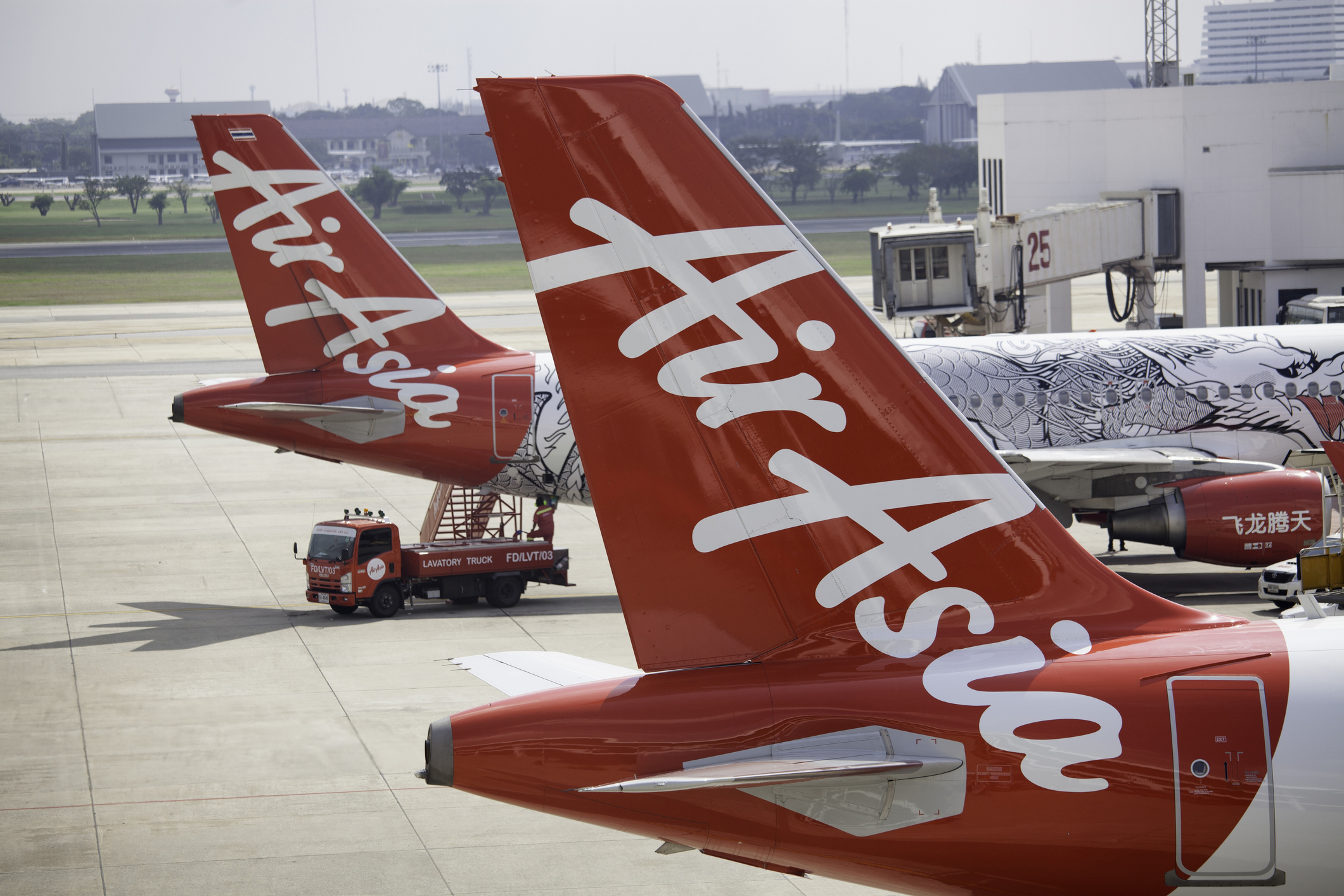
Sarah sat in Terminal 3, the fluorescent lights humming a low, anxious chord above her. She was thirty minutes away from boarding a flight to visit her sister, but her seat assignment had vanished from the app. It was a small glitch. A nothing burger. She did what any of us would do in the age of instant gratification: she vented. She pulled out her phone, opened a social media app, and tagged the airline in a frustrated post.
"Hey @GlobalAir, why is my booking suddenly 'invalid'? I’m at the gate and nobody is at the desk. Help!"
Within ninety seconds, her phone pinged. A notification from "GlobalAir Support" appeared—complete with the corporate logo and a professional-looking "Verified" badge.
"We are so sorry for the delay, Sarah," the message read. "Our systems are undergoing a brief update. Please provide a contact number so our priority baggage and seating team can call you immediately to resolve this."
Sarah felt a rush of relief. They saw her. They cared. When the phone rang a moment later, the man on the other end was calm, empathetic, and sounded exactly like the kind of person who gets things done. He knew her flight number. He knew her destination. He just needed her to "verify" her identity by confirming her credit card details and a one-time passcode sent to her phone.
She gave it to him. She thanked him.
Two minutes later, the man hung up. Five minutes later, Sarah’s bank account was $4,000 lighter, and her "invalid" booking remained exactly as it was—a minor technical glitch that would have been fixed by a thirty-second conversation with a real gate agent.
Sarah hadn't been helped. She had been hunted.
The Architecture of the Digital Ambush
What happened to Sarah isn't an isolated incident of "bad luck." It is a calculated, industrial-scale exploitation of human psychology. We live in a world where our frustration is a commodity. Scammers don't just wait for you to stumble into their traps anymore; they use sophisticated monitoring tools to track "sentiment" across the internet. They are looking for the "Digital Flare"—that moment when a traveler is stressed, rushed, and desperate for a solution.
When you tag an airline in a public post, you aren't just talking to a brand. You are ringing a dinner bell for every predator in the digital ecosystem.
These groups operate out of "boiler rooms" that look indistinguishable from legitimate call centers. They use scripts. They have managers. They have performance quotas. And their most effective weapon isn't a piece of malware or a complex hacking tool. It is empathy.
Consider the mechanics of the "Social Media Hijack." The scammer creates a profile that mimics the airline’s official account. They use the same branding, the same tone, and often a handle that is nearly identical—perhaps adding an underscore or a double letter that the human eye, blurred by the blue light of a smartphone and the stress of a crowded terminal, simply skips over.
They don't ask for your money right away. That would trigger your internal alarm. Instead, they ask for your "Case Number" or your "Registered Phone Number." They build a bridge of trust, brick by brick, until you are the one crossing it, straight into their arms.
The Psychology of the "Helpful" Stranger
We are biologically wired to trust people who offer us a way out of a crisis. This is a survival mechanism. In the wild, if you’re trapped and someone offers a hand, you take it. In the airport, if you’re trapped in a logistical nightmare and someone offers a "Priority Resolution Link," you click it.
The scam works because it mirrors the actual customer service experience. Airlines have moved toward automated, digital-first interactions. We are used to talking to bots. We are used to receiving links to "rebook" or "update details." The scammers aren't inventing a new behavior; they are wearing the skin of a routine one.
This is the "Mirrored Reality" trap.
Think about the one-time passcode (OTP). Your bank sends you a text saying, "Do not share this code with anyone." But the voice on the phone is so convincing. He says, "I'm sending a synchronization signal to your app now; please read back the digits so I can verify the encrypted handshake."
It sounds technical. It sounds official. It sounds like the "seamless" world we were promised by Big Tech. In that moment, the victim isn't being "stupid." They are being human. They are trying to solve a problem so they can get home to their family or make it to a business meeting that could change their career.
The scammer isn't stealing money. They are stealing your relief.
The Hidden Red Flags in the Noise
Detection is difficult because the deception is so granular. However, if you look closely at the edges of the interaction, the mask always slips.
Official airline accounts will almost never initiate a Direct Message (DM) to ask for a phone number as the very first step. They certainly won't ask you to pay a "re-validation fee" via a third-party app or a wire transfer. They don't need your CVV code to find your booking.
But the most glaring red flag is the handle itself.
- Official: @GlobalAir
- Scammer: @GlobalAir_Support_Care
- Scammer: @GlobalAir_Official_Refunds
The internet is a vast, uncurated space. Verification badges—those little blue or gold checks—used to be a lighthouse in the storm. Now, on many platforms, those badges can be bought for the price of a sandwich. A "Verified" tag is no longer a certificate of authenticity; it’s a receipt of purchase.
If you find yourself in Sarah’s position, the impulse to scream into the digital void is strong. But you must resist the urge to provide the coordinates of your vulnerability.
Navigating the Digital Tarmac Safely
Protection isn't about being a cybersecurity expert. It’s about a fundamental shift in how we perceive "help" on the internet.
First, recognize that public complaints are public vulnerabilities. If you must use social media to reach an airline, do not include specific flight details in the public post. Wait for them to respond, and then—before you engage in the DMs—click on their profile. Look at the follower count. Look at when the account was created. Look at their previous posts. A legitimate airline account will have thousands of posts and a history spanning years. A scammer’s account will often be only a few days old, with a sudden burst of "helpful" replies to frustrated travelers.
Second, embrace the "Go Direct" rule. If an account asks you to call a number they provide in a DM, ignore it. Go to the airline’s official website. Type the URL in yourself. Use the "Contact Us" numbers listed there. It might take longer. You might have to wait on hold. But the person at the other end of that line is actually employed by the company, not a ghost in a terminal in a different hemisphere.
Third, understand that no "update" or "glitch" requires you to provide a one-time passcode to an agent over the phone. Those codes are for you to enter into a secure field on a website or app. If someone asks you to read it to them, they are trying to bypass your two-factor authentication to drain your account or hijack your identity.
The Toll Beyond the Ledger
The damage Sarah suffered wasn't just the $4,000. It was the poisoning of her peace of mind. For the rest of the trip, she was looking over her shoulder. Every email felt like a threat. Every notification felt like a trap.
The aviation industry spends billions on physical security. We take off our shoes, we empty our pockets, and we walk through scanners to ensure the "safety" of the flight. Yet, we are often most at risk while sitting quietly in the departure lounge, holding a device that connects our most private financial data to a world of anonymous opportunists.
The "Airline Warning" isn't just about a scam. It's about a shift in the nature of travel. The journey no longer starts at the gate; it starts the moment you open your phone to plan it.
We are moving through a landscape where the predators don't use weapons; they use our own expectations of modern convenience against us. They know we are tired. They know we are impatient. They know we are used to things "just working."
The next time your flight is delayed, or your seat disappears, or your luggage is lost, take a breath. The urge to vent on social media is a trapdoor. Step around it.
Walk to the desk. Use the official app. Wait for the real person.
The most expensive ticket you can buy is the one offered by a stranger who promises to fix everything for a "small fee" and a "verification code." That ticket doesn't lead to a destination. It leads to a void where your security used to be.
The fluorescent lights of the terminal didn't change after Sarah lost her money. The planes kept taking off. The crowds kept moving. But for Sarah, the world had become a slightly colder, more cynical place.
Safety isn't just about the wings of the plane holding steady in the air; it's about keeping your guard up while your feet are still on the ground.
Would you like me to help you draft a checklist of "red flag" identifiers for social media support accounts to keep in your notes app for your next trip?