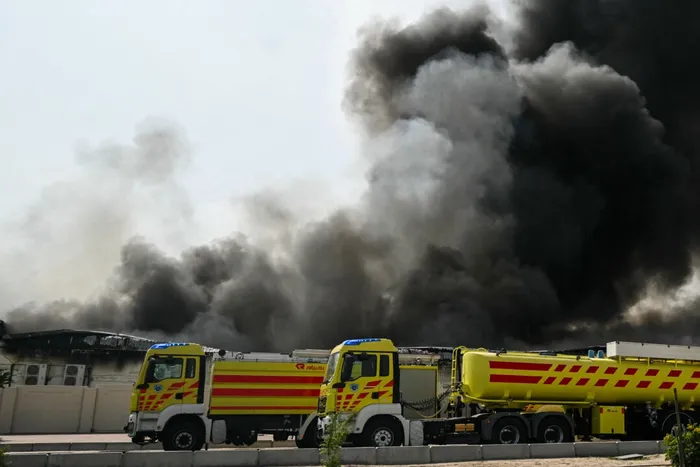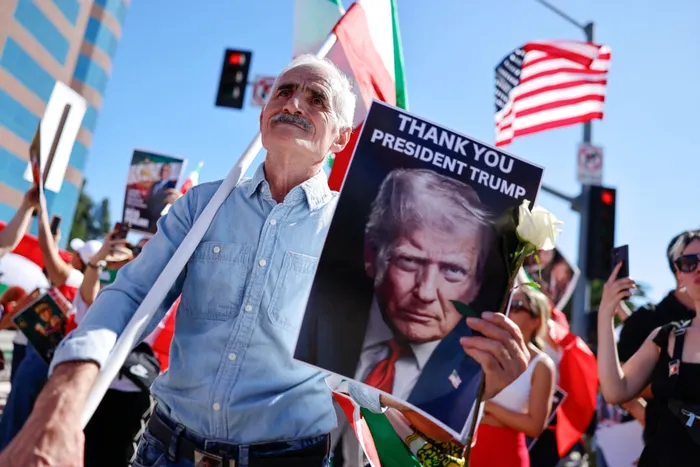
The shadow war just stepped into the light, and it’s dragging the global economy with it. Over the last 48 hours, the Middle East has shifted from a state of "contained" tension to an all-out regional conflagration. With Israel and Hezbollah trading massive barrages across the Lebanese border and the U.S. joining Israel in direct strikes on Iranian soil, the geopolitical map is being redrawn in real-time. If you've noticed the price of oil ticking up, you're only seeing the first ripple.
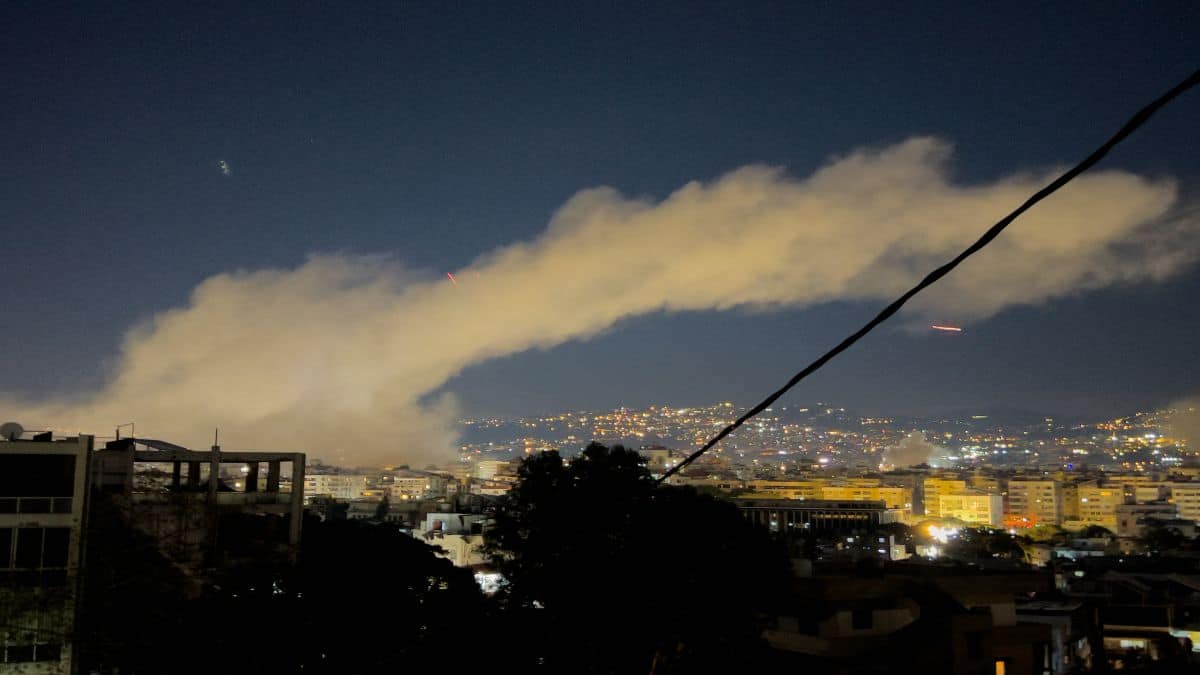
This isn't just another border skirmish. The reported death of Iranian Supreme Leader Ali Khamenei on February 28, 2026, has stripped away the last layer of restraint. Hezbollah, long the crown jewel of Iran’s proxy network, has now launched what it calls "revenge for the blood of the Supreme Leader," firing precision missiles and drone swarms deep into northern Israel. In response, the Israeli Air Force is hammering Beirut’s southern suburbs, turning the 2024 ceasefire into a memory.
Why the Strait of Hormuz is the world's most dangerous bottleneck
The immediate panic you’re seeing in the markets centers on a 21-mile-wide strip of water. The Strait of Hormuz is the lifeblood of global energy, and right now, that blood is barely flowing. About 20% of the world’s daily oil consumption—roughly 15 million barrels—passes through this chokepoint.
When conflict between Israel and Hezbollah spreads to the Gulf, Hormuz becomes the ultimate leverage for Tehran. Even if the Iranian navy doesn’t officially "close" the strait, the risk alone is enough to send prices into a vertical climb. Over the weekend, shipowners began a self-imposed pause on transit as insurance premiums for the region hit the roof.
Brent crude is just the beginning
On Monday, March 2, 2026, Brent crude jumped nearly 13%, touching $82 per barrel in early Asian trade. That’s a massive leap from the $72 range where we ended February. Some analysts at Citibank are already warning that if the fighting doesn't cool down in the next 48 hours, we could see $100 or even $120 a barrel by the end of the month.
What does that actually mean for you?
- Gasoline prices: Expect a jump at the pump within the week.
- Groceries: Transport costs are tied directly to fuel. When trucking gets expensive, so does your milk.
- Inflation: Central banks were just starting to get a handle on inflation; this conflict could undo a year of progress in a few weeks.
The death of the proxy war and the birth of a direct one
For years, we’ve talked about "proxies." Hezbollah was the arm, and Iran was the brain. But the joint U.S.-Israeli strikes on Tehran, reportedly targeting Revolutionary Guard headquarters and over 1,000 other sites, have changed the math. The "Axis of Resistance" is no longer fighting on behalf of a distant patron; they’re fighting for the survival of their ideological core.
Hezbollah’s current commander, Naim Qassem, has basically ignored the Lebanese government’s pleas for neutrality. The group is launching attacks from central and northern Lebanon, using longer-range weapons that Israel didn't fully degrade in the 2024 campaign. This forces Israel to expand its target list, which is why we’re seeing smoke over Beirut once again.
Hezbollah’s tactical shift
Unlike 2006 or 2023, Hezbollah is dealing with a significantly weakened Iranian leadership. They aren't just firing rockets; they're attempting to overwhelm Israel’s Iron Dome with low-cost, high-volume drone swarms. It’s a strategy of attrition designed to make the war too expensive for the Israeli public to stomach.
The OPEC+ factor and why it might not help
You might think that other oil producers would just flip a switch and save the day. On Sunday, March 1, eight OPEC+ countries—including Saudi Arabia and the UAE—announced they would boost production by 206,000 barrels per day starting in April.
It sounds like a lot, but it’s a drop in the bucket.
- Timing: April is too far away when the crisis is happening now.
- Access: It doesn't matter how much oil Saudi Arabia pumps if the tankers can't get through the Strait of Hormuz safely.
- Risk: Tankers in the Gulf are already coming under attack. Reports of "unknown projectiles" hitting vessels near the Omani coast mean that even "neutral" oil is in the line of fire.
Managing your exposure to the Middle East fallout
Don't wait for the nightly news to tell you that energy prices are rising. If you're managing investments or just trying to protect your household budget, you need to be proactive.
First, watch the gold and dollar markets. When the Middle East catches fire, investors flee to safety. Gold is already hitting new highs as the Australian and Asian bourses open in the red. This isn't a time for speculative bets; it's a time for defensive positioning.
Second, pay attention to the leadership vacuum in Tehran. The Assembly of Experts is supposed to pick a new Supreme Leader, but with the country under fire, that process is a mess. A disorganized Iran is actually more dangerous because it becomes unpredictable. Tactical commanders might make decisions on the ground without waiting for a "go" from the top, leading to further escalations that nobody—including the U.S.—actually wants.
Keep a close eye on the shipping lanes. The moment the first tanker is officially sunk or seized, the $100 oil scenario moves from "possibility" to "inevitability."
Prepare your budget for a 10% to 15% increase in energy-related costs over the next month. If you’re in a position to hedge your fuel costs or adjust your supply chain, do it today. The time for "wait and see" ended when the missiles crossed the border. Move your assets into stable commodities or currencies like the USD or gold before the full weight of the Hormuz closure hits the Western markets. If you're a business owner, start communicating with your logistics partners now about alternative routes, even if they're more expensive. It's better to pay a premium for a sure thing than to have your inventory sitting on a dead ship in the Gulf.