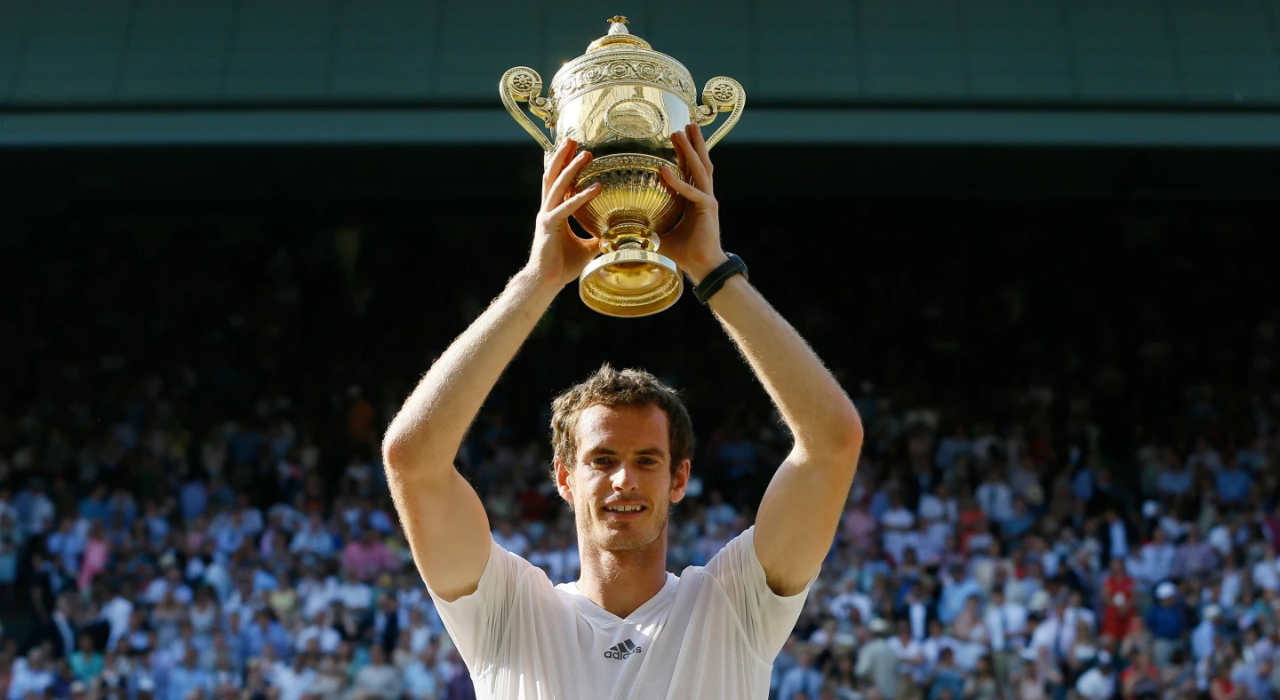
Jamie Murray is finally hanging up his racket. While the world spent two decades fixated on his brother Andy’s metal hip and grueling five-set marathons, Jamie was quietly becoming the most successful doubles player Britain has ever produced. He’s retiring after 36 years of living and breathing tennis, leaving behind a trophy cabinet that includes seven Grand Slam titles and a stint as the world number one. It isn't just a retirement. It’s the closing of a chapter that redefined what British tennis looks like on the global stage.
Most fans don't realize how much Jamie paved the way. He was the first of the siblings to win a senior Grand Slam title when he took the Wimbledon mixed doubles crown in 2007. He did it with Jelena Jankovic. People forget that. They forget how he survived the brutal grind of the doubles circuit, where the margins are razor-thin and the financial rewards are a fraction of the singles game. He didn't just survive. He dominated.
The Doubles Specialist Who Refused to Be a Side Note
There's a common misconception that doubles players are just singles players who couldn't cut it. That's nonsense. Jamie Murray proved it. His net play was surgical. He possessed a left-handed serve that created angles most players couldn't even visualize, let alone return. He understood the geometry of the court better than almost anyone else on the ATP Tour.
Jamie won two men’s doubles Grand Slams with Bruno Soares. They were a force. He also grabbed five mixed doubles titles. Think about that for a second. Seven titles. That’s more than most legendary singles players dream of. He reached the top of the rankings in 2016, the same year Andy hit number one. Two brothers from a small town in Scotland sitting at the peak of the tennis world simultaneously. We’ll never see that again. It’s statistically impossible.
The grit required to stay at that level for decades is immense. Jamie didn't have the luxury of the spotlight always shielding him. He had to build his own brand. He had to find partners who complemented his style. He had to stay healthy in a sport that breaks bodies for fun.
Beyond the Shadow of a Legend
It’s hard being the brother of a three-time Grand Slam champion and Olympic hero. You're always "Andy’s brother" in the headlines. Jamie handled that with a level of grace that honestly doesn't get enough credit. He was fiercely independent but also the ultimate teammate.
Look at the 2015 Davis Cup. Britain won that trophy for the first time in 79 years. Andy gets the lion's share of the glory for winning his singles matches, but the doubles point was the heartbeat of that run. Jamie was the anchor. He and Andy playing together in those high-pressure environments was pure theater. They had a telepathic connection on court. Jamie would poach at the net with a confidence that borders on arrogance, but he always backed it up.
He stayed relevant while the game changed around him. When he started, the equipment was different. The speed of the game was slower. He adapted. He moved from the classic serve-and-volley style to a more aggressive, modern baseline-to-net transition.
The Numbers That Define a Career
Numbers don't lie, even if they don't tell the whole story.
- 7 Grand Slam Titles: Two in Men's Doubles, five in Mixed.
- World No. 1: Reached in April 2016.
- 30+ ATP Titles: A consistent winner across multiple partners.
- Davis Cup Champion: 2015 winner.
Jamie was a specialist in the truest sense. He didn't try to be something he wasn't. He knew his hands at the net were his greatest weapon. He used them to dismantle teams that were technically more powerful but lacked his tactical nuance.
A Legacy That Changes the Blueprint
British tennis used to be a punchline. Before the Murrays, we were happy if someone made it to the second week of a Slam. Jamie helped change that culture. He showed that you could specialize. You didn't have to be a top-10 singles player to be a global star and a multi-millionaire in this sport.
He’s been a vocal advocate for the doubles game too. He’s fought for better court assignments and more TV coverage. He knows the product is entertaining. He knows fans love the fast-paced volleys and the teamwork. His retirement leaves a massive hole in the locker room and on the match schedule.
What happens now? The Murray era is effectively over. We have young players coming through, sure. Jack Draper looks promising. But the era of Scottish dominance, led by two brothers who refused to lose, is finished. Jamie’s departure is the finality of that.
What You Should Take Away From the Murray Method
If you're a young athlete or just someone trying to master a craft, look at Jamie Murray. He didn't have the biggest serve. He didn't have the most powerful groundstrokes. He had a specific set of skills and he polished them until they shone.
- Specialization Wins: You don't have to be the best at everything. Be the absolute best at your specific niche.
- Adaptability is Mandatory: If Jamie hadn't evolved his game to match the power of modern rackets, he would have been retired ten years ago.
- Partnership Matters: In doubles, as in business, who you work with defines your ceiling. Jamie’s ability to mesh with different personalities was a superpower.
Don't just remember him as the "other" Murray. Remember him as the guy who walked onto the court with the weight of a nation’s expectations and walked off with seven of the biggest trophies in the world. He’s earned his rest.
If you want to understand the technical side of why he was so good, start watching old footage of his 2016 Australian Open run. Watch his feet. He’s never standing still. He’s always hunting the ball. That’s the lesson. Stay active. Keep hunting. The era might be over, but the blueprint he left behind is there for anyone brave enough to follow it. Stop waiting for the perfect opportunity and start creating one with the tools you actually have.