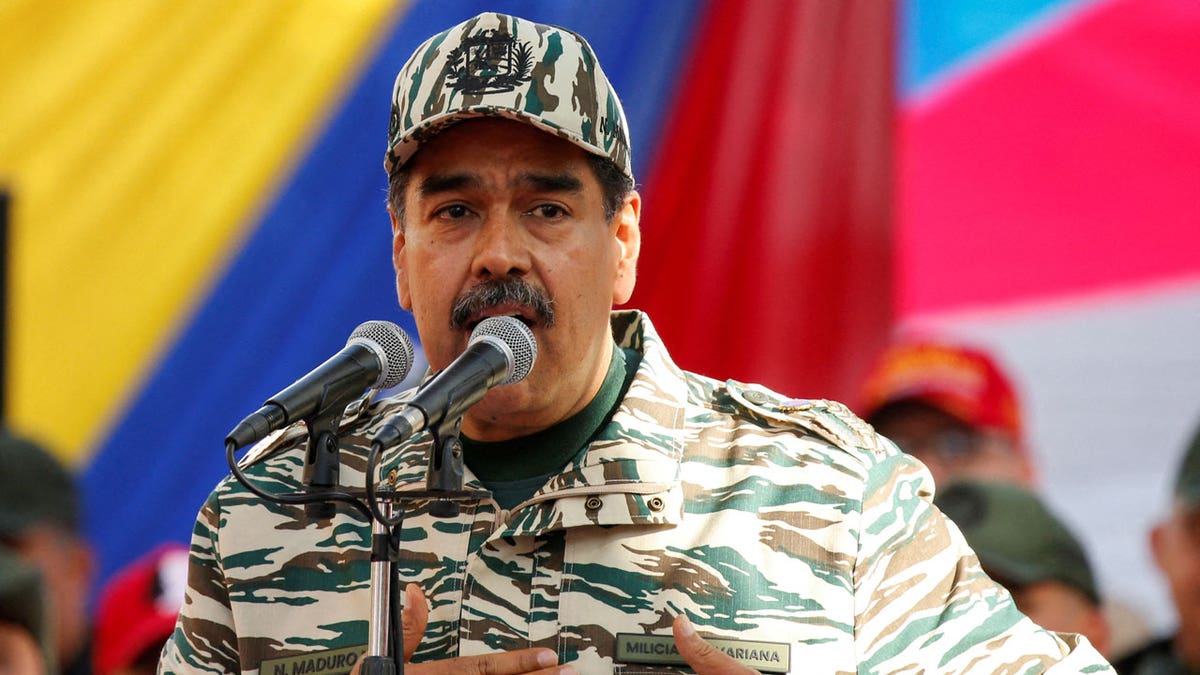
Federal prosecutors in Manhattan just drew a hard line in the sand. They're officially blocking ousted Venezuelan leader Nicolás Maduro from using his country's state funds to pay for his high-stakes legal defense. It's a move that feels like a punch to the gut for Maduro’s legal team, who’ve been arguing for weeks that their client is being stripped of his basic rights.
If you’re wondering why this matters, it’s because the U.S. government isn't just trying to convict Maduro on drug trafficking charges; they’re trying to treat him like any other defendant without a throne. By cutting off the "sovereign" checkbook, the Department of Justice is basically saying that the money belongs to the Venezuelan people—not the guy they spent years trying to push out of office.
The administrative error that started a firestorm
The drama actually traces back to January, right after Maduro and his wife, Cilia Flores, were captured during that wild U.S. military operation in Caracas. For a brief moment, it looked like the money would flow. The Treasury Department’s Office of Foreign Assets Control (OFAC) actually granted a license on January 9 that would have let the Venezuelan government foot the bill.
Then, three hours later, they yanked it back.
Prosecutors now claim that the original green light was nothing more than an "administrative error." They're standing firm, telling U.S. District Judge Alvin Hellerstein that the U.S. hasn't recognized Maduro as the legitimate leader of Venezuela for a long time. In their eyes, letting him dip into the national treasury to fight personal criminal charges would be a massive contradiction of U.S. foreign policy.
A fight over the Sixth Amendment
Maduro’s lead attorney, Barry Pollack, isn't taking this sitting down. He’s arguing that the government is essentially interfering with Maduro’s Sixth Amendment right to the counsel of his choice. According to Pollack, "Venezuelan law and custom" mandate that the state pays for the legal defense of a president and their spouse.
It’s a clever legal angle, but the Feds aren't buying it. They’ve pointed out that while Maduro and Flores claim they're entitled to these funds under the Venezuelan constitution, they "surely knew" the U.S. government didn't see them as legitimate officials. The DOJ is even suggesting that if Maduro really can’t afford his own lawyers, he should have to prove it just like anyone else seeking a public defender.
- The personal assets argument: Prosecutors noted that both Maduro and Flores are still free to use their own personal wealth.
- The "Head of State" problem: If the U.S. allowed the current interim government (now led by Delcy Rodríguez) to pay the bills, it might accidentally lend weight to Maduro’s claim that he still has some form of sovereign immunity.
- The Double Standard: Interestingly, Flores’ lawyer, Mark Donnelly, has apparently been able to receive some payments, adding another layer of confusion to the "administrative error" excuse.
What happens at the March 26 hearing
This isn't just a squabble over legal fees; it’s a bottleneck for the entire trial. If the judge doesn't force the Treasury’s hand, Maduro could end up with a court-appointed lawyer. Imagine a former world leader, accused of running a "narcoterrorism" conspiracy, being represented by a public defender because the U.S. won't let him spend his own country’s money.
Judge Hellerstein is set to tackle this head-on on March 26. He’s already asked both sides to try and coordinate with OFAC, but the Treasury isn't exactly known for moving fast or playing nice when it comes to sanctioned regimes.
The DOJ is betting that they can starve the defense of resources before the trial even starts. It’s a aggressive strategy that puts the "right to counsel" up against the "power of sanctions." For now, Maduro remains in a Brooklyn jail, and his legal team is left wondering where the next check is coming from.
If you want to track how this affects the actual drug trafficking case, keep an eye on whether the defense files for a total stay of proceedings. Without a clear ruling on the money, this trial is going nowhere fast. Check the Southern District of New York (SDNY) court records after the 26th for the transcript of the hearing; that's where the real fireworks will happen.