Geopolitics is not a therapy session. When German Chancellor Friedrich Merz expresses "doubts" regarding Iran’s war aims, he isn't offering a profound strategic insight. He is participating in a long-standing European tradition of projecting rational, Western bureaucratic logic onto a revolutionary theocracy that has spent four decades telling us exactly who they are.
The "lazy consensus" in Berlin and Brussels suggests that Iran is a pragmatic actor seeking security guarantees and sanctions relief. This view assumes that if we just find the right diplomatic frequency, we can tune out the static of regional escalation. It is a comforting lie. It suggests that conflict is merely a misunderstanding.
I have watched diplomats waste decades chasing this phantom. They treat the Iranian leadership like a misunderstood corporate board of directors rather than a regime fueled by an ideological imperative that views "stability" as a Western trap. Merz’s skepticism isn't a sign of caution; it’s a symptom of a systemic refusal to acknowledge that some actors do not want a seat at your table. They want to flip the table over.
The Myth of the Rational Proxy
The standard narrative claims Iran uses proxies—Hezbollah, the Houthis, various militias—as a defensive shield to prevent a direct attack on its soil. The logic follows that if the West provides enough "off-ramps," Tehran will reel these groups in.
This is backward. These aren't "proxies" in the sense of independent contractors. They are the externalized limbs of the Islamic Revolutionary Guard Corps (IRGC). Expecting Tehran to "de-escalate" its regional militias is like asking a person to stop using their left arm to improve their health. The IRGC's entire domestic power structure and economic engine are built on the perpetual mobilization of these groups.
When Merz questions Iran’s "war aims," he implies there is a hidden, perhaps more moderate, objective. There isn't. The objective is regional hegemony through the systematic hollow-out of neighboring sovereign states. If you aren't looking at the balance sheets of IRGC-controlled companies that profit from these "forever shadows," you aren't analyzing foreign policy. You’re reading a fairy tale.
The Energy Trap and the German Blind Spot
Germany’s hesitation is often framed as "diplomatic nuance," but it is frequently underpinned by a terror of energy volatility. Since the pivot away from Russian gas, the European industrial base has been walking a tightrope. Any significant disruption in the Persian Gulf doesn't just raise the price of a gallon of gas; it threatens the very existence of the German Mittelstand.
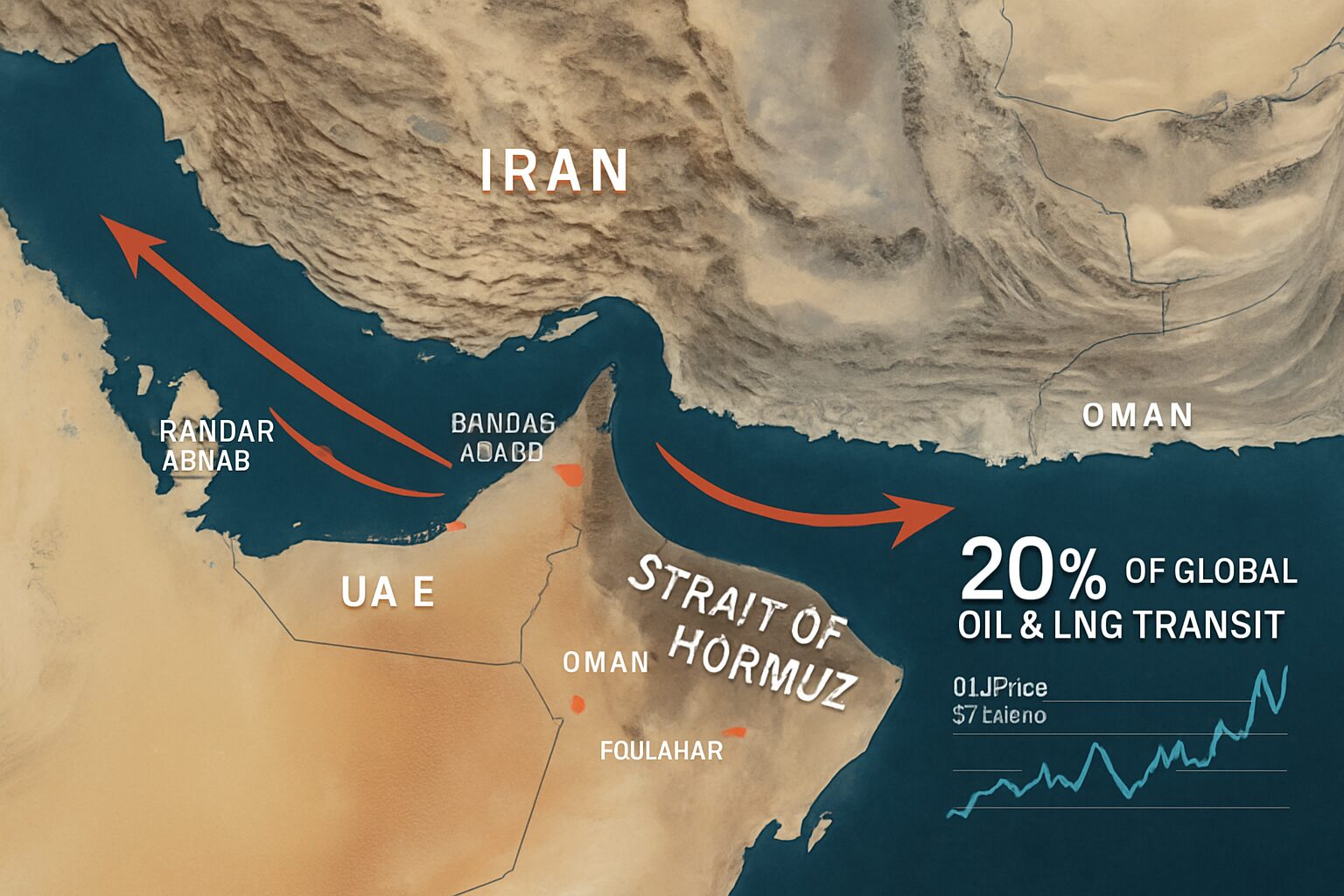
Merz knows this. His "doubts" serve a domestic purpose: they signal to German industry that the government will not lead the charge on a confrontation that could spike Brent Crude or shut down the Strait of Hormuz.
However, this "wait and see" approach is the most expensive strategy on the menu. By signaling hesitation, Berlin encourages Tehran to push the boundaries further. In international relations, doubt is a commodity that your adversaries trade. If you show doubt, they show force. We saw this play out with the Nord Stream dependency. We are seeing it again. Avoiding a confrontation today by ignoring an adversary's stated goals only ensures a much larger, more expensive confrontation tomorrow.
Capability vs. Intent: The Intelligence Fallacy
The intelligence community often separates "capability" from "intent." It’s a clean way to write a briefing, but it's a disastrous way to run a country.
- Capability: We know what Iran has. We can count the centrifuges. We can track the ballistic missile range.
- Intent: This is where politicians like Merz play in the gray zone. They claim intent is "unclear" or "evolving."
Intent is the easiest thing to verify if you stop ignoring what people say in their own language to their own people. When the IRGC leadership outlines a vision for the "Axis of Resistance," they aren't using a metaphor. They are describing a kinetic reality.
I’ve seen high-level analysts dismiss fiery rhetoric as "domestic consumption." That is a dangerous arrogance. It assumes the leaders of a foreign nation are lying to their people and secretly telling the truth to Western intelligence agencies. Usually, it's the other way around.
The False Choice of the Nuclear Deal
Every discussion about Iranian war aims eventually circles back to the JCPOA or its various corpses. The "lazy consensus" insists that the nuclear issue is the primary lever.
It’s not. The nuclear program is the ultimate insurance policy for the conventional war Iran is already winning. By focusing entirely on the "breakout time" to a weapon, Western leaders have allowed the IRGC to dominate the Middle East with "cheap" warfare: drones, missiles, and asymmetric tactics.
Merz's skepticism about war aims suggests he thinks there is still a deal to be made that can decouple the nuclear program from regional aggression. There isn't. They are two sides of the same coin. You cannot fund the IRGC to stay quiet on one front without fueling their expansion on three others.
What Real Strategy Looks Like
If we want to move past the "doubts" of the Merz administration, we have to stop asking what Iran wants and start looking at what Iran does.
- Sanctions are not a strategy; they are a tool. Unless you target the ghost fleets and the third-party financial processors in Dubai and Singapore, you aren't "pressuring" the regime. You’re just making life harder for the Iranian middle class while the IRGC maintains its margins.
- Recognize the IRGC as a sovereign economic entity. Stop treating them like a branch of the military. They are a multi-billion dollar conglomerate that happens to own a country. Treat them like a hostile corporate takeover, not a diplomatic partner.
- Hard Power is the only currency. Diplomacy without a credible threat of force is just a polite way of surrendering. If Merz wants to have fewer "doubts," he needs to build a military capability that makes the IRGC doubt him.
The reality is uncomfortable. It suggests that the era of "change through trade" or "peace through dialogue" with revolutionary regimes is over. Merz is trying to keep the lights on in a world that is rapidly changing its wiring.
Stop asking if Iran wants war. They are already fighting one. They’ve been fighting it while we were busy debating their "intentions" in air-conditioned rooms in Munich and Davos. The only question left is when we plan to start winning.
Invest in defense. Secure your supply chains. Stop listening to the "doubts" of men who are too afraid to see the world as it actually is.