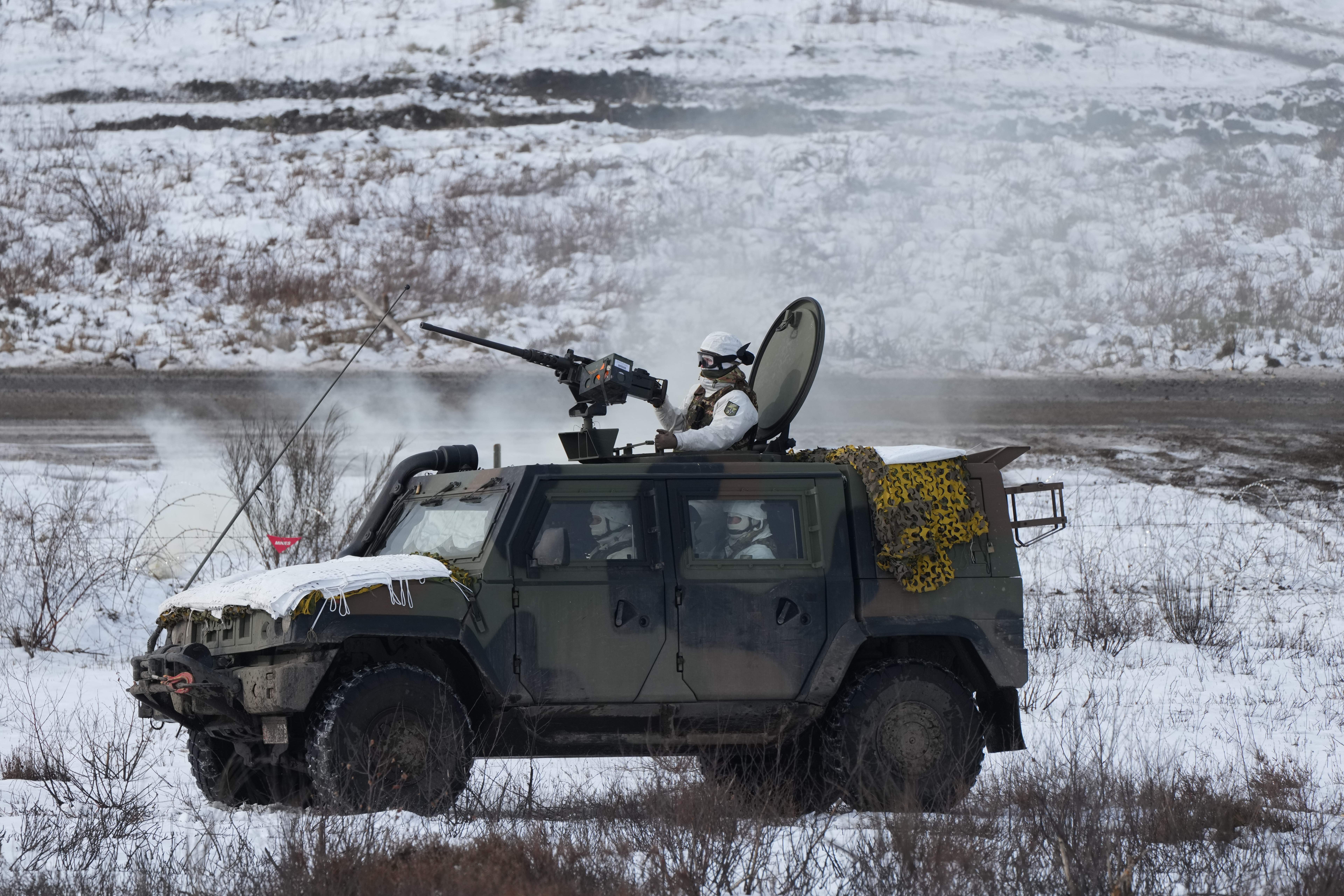
Russia's invasion of Ukraine changed everything for Northern Europe. It wasn't just a wake-up call for military budgets or energy policy. It exposed a massive, terrifying gap in how civilian safety works during a high-intensity conflict. For decades, Nordic and Baltic nations operated on the assumption that a major land war in Europe was a relic of the past. They were wrong. Now, they're scrambling to fix a logistical nightmare before the next crisis hits.
Norway, Sweden, Denmark, Finland, and Iceland are moving beyond simple border cooperation. They're developing a unified framework for large-scale evacuations. This isn't just about moving people from Point A to Point B. It's about figuring out who takes responsibility when a hospital in Kirkenes needs to move its patients to Tromsø, or when thousands of displaced people cross from Finland into Sweden in a single afternoon.
The reality of modern warfare is brutal. In Ukraine, we saw how quickly civilian infrastructure becomes a target. Power grids fail. Communications go dark. Railway lines get severed. If you're living in a border town in the High North or the Baltics, you can't rely on a single national plan that stops at the frontier. Geography doesn't care about passports when the missiles start flying.
Why the Ukraine Model Changed the Playbook
Before February 2022, evacuation planning was mostly a local affair. You had your local fire department, some civil defense sirens, and maybe a school gymnasium designated as a shelter. Ukraine showed us that this is nowhere near enough. When millions of people move simultaneously, they clog every artery of transport.
The Nordic nations watched Poland and Moldova struggle with the sheer volume of humanity. They realized that their current systems would buckle under similar pressure. If a conflict breaks out in the Baltic Sea region, the influx of people won't stay within national borders. It’ll be a regional crisis.
Sweden and Finland joining NATO was the first step. That fixed the military side of the equation. But NATO is a military alliance, not a social services provider. The civilian side—healthcare, housing, transport, and food—remains a national responsibility. The problem is that these national responsibilities are now inextricably linked.
The Logistical Nightmare of the High North
Moving people in the Arctic is a different beast entirely. You're dealing with extreme cold, limited road networks, and vast distances between population centers. If you need to evacuate a city like Narvik, you have very few ways out. One major road closure or a destroyed bridge, and you're trapped.
This is why a joint plan is crucial. It’s not just about sharing resources. It's about knowing exactly where those resources are at any given moment. Which Swedish hospital has spare beds for Norwegian seniors? How many Danish buses can be deployed to the border in 24 hours? These questions need answers long before the first shot is fired.
Cooperation or Chaos
The Nordic Council has already started talking about a "Nordic-Baltic Civil Protection Strategy." This isn't just bureaucratic jargon. It's about practical, real-world coordination. Think about it. If you're a Finnish family fleeing toward Sweden, you need to know which roads are open, which reception centers have space, and how to access medical care once you cross that line.
A big part of this plan involves digitizing the entire process. We're talking about real-time tracking of available housing and medical supplies across five or six countries. If Sweden is at capacity, the system should automatically redirect the flow toward Denmark or Norway. This kind of coordination would have been unthinkable five years ago. Now, it's a matter of survival.
What This Means for Local Communities
If you live in a Nordic or Baltic nation, these joint evacuation plans will change your daily life. You're going to see more joint exercises between civil defense agencies. You'll probably get more information about where you should go in an emergency, and that location might not even be in your own country.
Expect to see more investment in "dual-use" infrastructure. This means roads, bridges, and tunnels designed for civilian use but strong enough for heavy military equipment and high-volume evacuations. We're talking about a massive shift in how we think about regional development. Everything is being viewed through the lens of resilience.
The Role of the Private Sector
It’s not just about the government. Logistics companies, ferry operators, and airlines are being brought into the fold. They're the ones with the ships, planes, and trucks needed to move thousands of people. The goal is to have pre-negotiated contracts and clear protocols for when the state can commandeer these private assets for the common good.
This is a massive shift in mindset for countries that have enjoyed peace for generations. It feels a bit like the Cold War again, but with better technology and a much more interconnected society. People are starting to realize that "Total Defense" isn't just a catchy slogan. It's a way of life that requires everyone to be prepared.
Moving Past National Ego
The biggest hurdle isn't logistics. It’s politics. Every country has its own laws, its own bureaucracy, and its own way of doing things. Harmonizing these systems is a nightmare. For example, how do you handle legal liability when a Danish paramedic treats a Swedish patient on Norwegian soil? These are the kinds of boring but critical details that can paralyze a response in a real crisis.
The Northern European nations are finally sitting down to hammer out these details. They're looking at things like standardized medical records, shared radio frequencies for emergency services, and even common legal frameworks for cross-border operations. It's a massive undertaking, but they're making progress because they know the alternative is chaos.
Lessons from the Baltics
Estonia, Latvia, and Lithuania have been thinking about this for a long time. They've lived under the shadow of Russia for centuries. They're already far ahead of their Nordic neighbors in terms of digital resilience and civil defense planning. The Nordics are learning from the Baltics, and vice versa. It’s a two-way street that's making the entire region more secure.
The integration of the Baltic and Nordic civil defense systems is perhaps the most significant development in European security since the end of the Cold War. It creates a seamless "Security of the North" that makes the region a much harder target for any would-be aggressor. If you can't easily break a society through panic and mass displacement, you've already won half the battle.
Practical Steps for the Road Ahead
If you're following this development, here’s what to look for over the next 18 to 24 months. First, watch the major joint civil defense exercises. These are the "stress tests" for these new plans. If they fail to coordinate a mock evacuation across the Finnish-Swedish border, they know they have more work to do.
Second, keep an eye on infrastructure spending. Every new bridge or highway in the High North is now a piece of the security puzzle. If a project gets fast-tracked because of "strategic importance," it's likely part of this broader evacuation and resilience strategy.
Finally, look at the legislation. Laws are being rewritten to allow for easier cross-border cooperation during emergencies. This might not be the most exciting part of the process, but it's the foundation that everything else is built on. Without a solid legal framework, the best-laid plans will fall apart when they're needed most.
The era of national isolation is over in Northern Europe. The realization that safety is a collective responsibility has taken hold, and it's not going away. This joint evacuation planning is just the beginning of a much deeper integration that will reshape the region for decades to come.
Stay informed about your local civil defense procedures and keep an emergency kit ready. Check your national emergency management agency's website for the latest updates on cross-border cooperation and what it means for your specific area. Being prepared isn't about being paranoid; it's about being responsible.