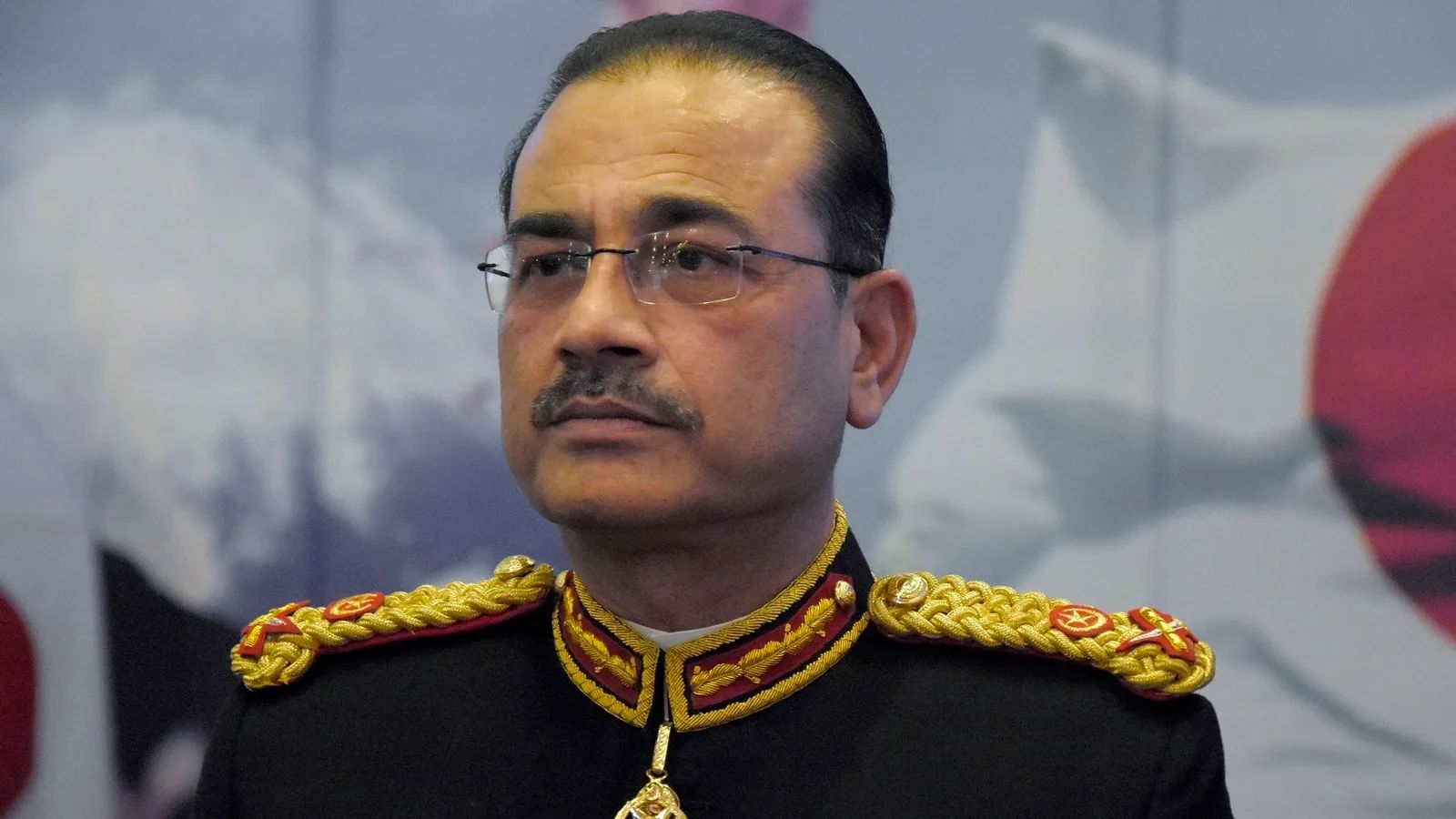
The headlines are predictably breathless. General Asim Munir picks up the phone to congratulate Donald Trump, and suddenly, the beltway pundits are dusting off the old "Pakistan as the bridge to Tehran" playbook. It is a lazy narrative born of 1970s nostalgia and a total misunderstanding of how the modern Middle East actually functions.
The consensus view—that Pakistan’s proximity to Iran and its historical "special relationship" with the U.S. make it a natural lead mediator—is a geopolitical fantasy. It ignores the reality of Pakistan's crippled economy, its internal instability, and the fact that the Trump administration has no interest in traditional, slow-burn diplomacy led by intermediaries with their own agendas.
The Myth of the "Natural Bridge"
The idea that Islamabad can whisper in Tehran's ear while shaking hands with Washington is a relic. Let’s dismantle the premise. For a country to mediate, it needs three things: leverage over both parties, fiscal independence, and a stable domestic mandate. Pakistan currently has none of these.
When you are begging the IMF for your 24th bailout, you aren't a power broker; you are a client.
Iran knows this. Tehran is not looking for a messenger that is financially beholden to the very Western financial systems it seeks to circumvent. Furthermore, the Iranian leadership views the Pakistani establishment’s closeness to the Gulf monarchies—specifically Saudi Arabia—with deep-seated suspicion. You cannot be a neutral arbiter when your central bank is kept afloat by deposits from Riyadh.
Trump Does Not Do Multilateralism
The biggest flaw in the "lead mediator" theory is the character of the Trump administration itself. Trump’s foreign policy is transactional, bilateral, and direct. He doesn't want a middleman in Islamabad taking a cut of the credit or trying to extract military aid in exchange for "facilitation."
Recall the 2020 Abraham Accords. That wasn't achieved through traditional regional "bridges." It was achieved by bypassing the old guard and creating direct, high-stakes incentives. If Trump wants to talk to Iran—or more likely, if he wants to squeeze Iran until the regime structural integrity fails—he will use direct channels or high-value Gulf partners like the UAE. Pakistan offers no unique "value add" that isn't already available via more stable, more liquid partners.
The Security Paradox
Let’s talk about the border. The Sistan-Baluchestan region is a tinderbox. Iran and Pakistan have been trading missile strikes and accusations of sheltering militants for years. In early 2024, we saw a direct exchange of kinetic force.
"A mediator must at least have a cold peace with the parties involved. You cannot mediate a regional conflict when you are actively shelling the 'partner' you claim to represent."
The "insider" view often misses the granular friction. Pakistan’s security establishment is currently fighting a multi-front domestic insurgency. The TTP is resurgent in the north, and Baloch separatists are targeting Chinese interests in the south. The notion that General Munir has the bandwidth or the regional "street cred" to de-escalate the U.S.-Iran nuclear standoff while his own borders are leaking is laughable.
Follow the Money (Or the Lack of It)
Mediation costs capital. Not just political capital, but actual hardware and economic guarantees. When Qatar mediates, they bring a checkbook. When Oman mediates, they bring a decades-long track record of absolute Swiss-style neutrality.
When Pakistan offers to mediate, it is usually a desperate bid to regain "Strategic Depth" and secure a seat at the table to ask for more F-16 upgrades or debt restructuring. The U.S. State Department knows this. The Trump transition team knows this. They’ve seen this movie before, and they aren't buying tickets for the sequel.
The China Factor
There is a massive elephant in the room that the "Pakistan as Mediator" crowd refuses to acknowledge: Beijing.
Iran and China signed a 25-year strategic partnership. Pakistan is the crown jewel of China’s Belt and Road via CPEC. If anyone is going to mediate between Iran and the West—or more accurately, if anyone is going to protect Iran from U.S. pressure—it is China.
Why would Tehran use Islamabad as a postman when they have a direct line to the superpower that actually buys their oil? Pakistan’s attempt to insert itself into this dynamic is an attempt to remain relevant in a world where the U.S.-Pakistan relationship has devolved from a "strategic partnership" to a "transactional security arrangement."
The Brutal Reality of Regional Irrelevance
People also ask: "Can Pakistan improve ties with Trump?"
The answer is yes, but not through Iran. Pakistan’s path to Trump’s heart is through transactional counter-terrorism and staying out of the way of the U.S. pivot to the Indo-Pacific. Trying to play the "Grand Diplomat" in the Middle East is a high-risk, zero-reward strategy for Islamabad. It signals a lack of focus on the internal economic rot that is the real threat to the state.
I have watched diplomatic missions waste years trying to revive the "spirit of 1971," when Pakistan helped open China for Nixon. That was a different world. Today, the U.S. has better sensors, better direct channels, and a much shorter patience for regional players who try to "double-deal" their way into a seat at the high table.
Stop Asking the Wrong Question
The question isn't "Will Pakistan lead the mediation?"
The question is "Why is Pakistan still trying to use 20th-century geopolitical tactics in a 21st-century reality?"
The status quo media wants to paint this as a win for Pakistani diplomacy. It isn't. it is a PR hail mary. If you want to understand the next four years of U.S.-Iran relations, stop looking at the GHQ in Rawalpindi. Look at the price of oil, the stability of the IRGC’s internal command, and the direct messages being sent through the Swiss embassy in Tehran.
Pakistan is not the bridge. At best, it's a spectator on the shore, hoping someone notices they're still there.
General Munir’s phone call wasn't a masterstroke of regional engineering. It was a courtesy call from a struggling state to a returning hegemon. Treating it as anything more is not just bad journalism—it’s dangerous analysis.
The era of the Pakistani middleman is dead. Trump prefers a sledgehammer to a bridge, and Iran is looking for a bunker, not a broker.
Clean your own house before you try to renovate the neighbor’s.