The high-stakes gamble Islamabad took by hosting face-to-face talks between US Vice President JD Vance and Iranian officials has hit a brutal dead end. For two weeks, the world watched as Pakistan tried to play the role of the ultimate regional fixer. It wasn't just about optics. It was a desperate attempt to stabilize a border that’s been bleeding for years and to finally kickstart energy projects that could save a failing economy. Now that the talks have collapsed in Islamabad, the fallout for Pakistan is looking more like a nightmare than a missed opportunity.
The Islamabad Collapse and the Blockade Threat
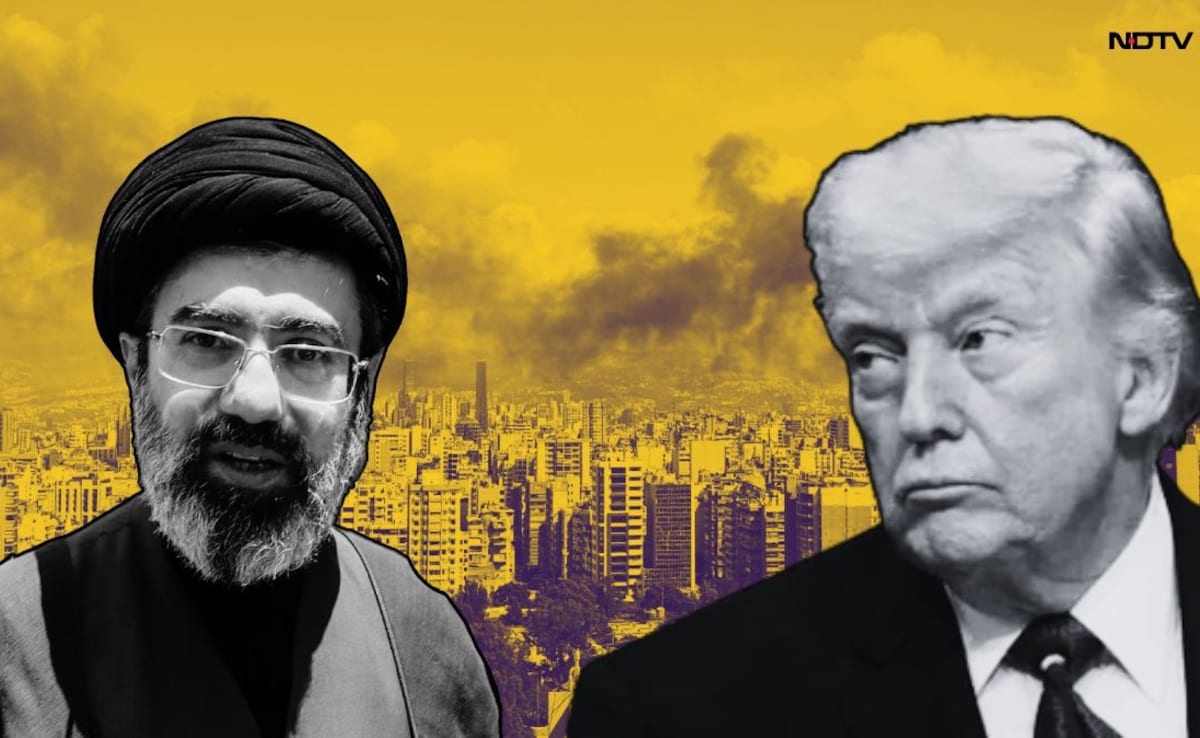
The breakdown wasn't subtle. After 16 hours of marathon negotiations, JD Vance boarded Air Force Two on Sunday with a blunt message: Iran wouldn't budge on its nuclear program. Washington wanted a total commitment to abandon nuclear ambitions. Tehran, led by parliament speaker Mohammad Bagher Qalibaf, held firm on its right to "civilian" enrichment.
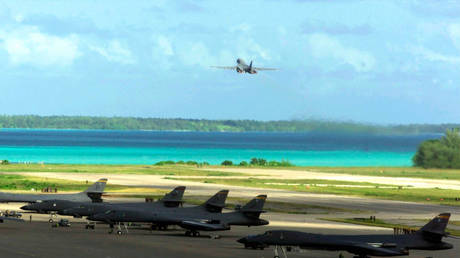
The immediate result? The Trump administration is moving from diplomacy to a full-scale naval squeeze.
- The Blockade: CENTCOM is moving to block ships from Iranian ports starting Monday.
- Hormuz Tension: There’s talk of a "blockade" of the Strait of Hormuz, the world’s most critical oil chokepoint.
- Broken Truce: The 14-day ceasefire, which Pakistan worked tirelessly with Türkiye and Egypt to secure, is basically on life support.
For Pakistan, this isn't just a diplomatic failure. It’s a direct hit to its national security strategy. By positioning itself as the bridge between the West and the Islamic Republic, Islamabad hoped to earn enough "goodwill" to bypass US sanctions. Instead, it's now stuck between an aggressive US administration and a defiant neighbor that’s about to be backed into a corner.
Why Pakistan Bet So Big on a Deal
You have to look at the map to understand why Pakistan was so desperate for this to work. It shares a 900-kilometer border with Iran—a border that’s currently a playground for militants like the Baloch Liberation Army (BLA). Islamabad’s theory was simple: a peaceful Iran is a stable Iran. If the US and Iran reached an agreement, the pressure on that border would ease, and the risk of a fragmented Iran fueling separatist movements in Pakistan’s Balochistan province would drop.
Then there’s the money. Pakistan is currently meeting about 85% of its oil needs through expensive imports. The Iran-Pakistan (IP) gas pipeline has been the "holy grail" of Pakistani energy policy since 2009. Iran has already finished its side of the pipe. Pakistan hasn't even started its section because of the looming shadow of US sanctions.
Hopes were high that the Islamabad Talks would lead to a sanctions waiver. Experts were even talking about a massive refinery in Gwadar. With the talks dead, those plans are back in the freezer. Pakistan remains energy-starved, while billions of dollars in infrastructure sit rotting across the border.
The India Factor and the Trade Gap
Oddly enough, the rising tension between the US and Iran had actually given Pakistan a weird temporary edge. India, traditionally a major player in Iran through the Chabahar port, has been backing off. To avoid US penalties, Indian officials have been liquidating financial commitments and resigning from port management roles.
Pakistan jumped into that vacuum. Trade with Central Asia via the "Pak-Iran Transit Corridor" actually climbed to over $2.4 billion in 2025. Just last week, Islamabad sent its first export shipment of meat to Uzbekistan through Iranian territory.
But this trade route relies on a functional relationship with both sides. If the US military starts a blockade, that corridor becomes a ghost road. Pakistan’s attempt to replace India as the primary gateway to Central Asia is effectively dead if the Persian Gulf turns into a permanent war zone.
What Happens When Diplomacy Fails
Pakistan’s Foreign Minister Ishaq Dar is still trying to sound optimistic, urging both sides to maintain the truce. But let's be real: the "mediation" phase is over, and the "consequence" phase has begun.
If the US proceeds with a naval blockade, Iran will likely lash out. When Iran lashes out, it usually happens in its own backyard. That means more instability in the border regions where Pakistan is already struggling to maintain control.
Islamabad also faces a massive legal headache. Iran has previously threatened to take Pakistan to international arbitration for not finishing its side of the gas pipeline, with potential fines reaching $18 billion. Pakistan was counting on a US deal to make that problem go away. Now, they’re looking at an angry neighbor and an uncompromising Washington.
The Next Steps for Islamabad
The "Peace Bet" hasn't just backfired; it’s left Pakistan with fewer options than it had in March. If you’re looking at how this plays out on the ground, watch these specific areas:
- Energy Diversification: Expect a frantic pivot back to Qatari LNG. It’s more expensive, but it doesn’t come with the threat of a US aircraft carrier blocking the path.
- Border Security: Look for increased military deployments in Balochistan. As the US-Iran relationship enters "maximum pressure" mode again, the border will become more volatile.
- The China Variable: Pakistan will likely lean harder on Beijing to help navigate the sanctions. China is already deep into Gwadar and CPEC; they’re the only ones with the wallet to help Pakistan weather the coming storm.
The bottom line is that you can't be the "Middle East mediator" if the two parties you're mediating don't actually want to talk. Pakistan tried to play the hero and save the regional economy. Instead, it’s now watching the gates close on its best hope for energy independence and trade growth.