The Smoke is Real but the Fire is a Financial Fiction
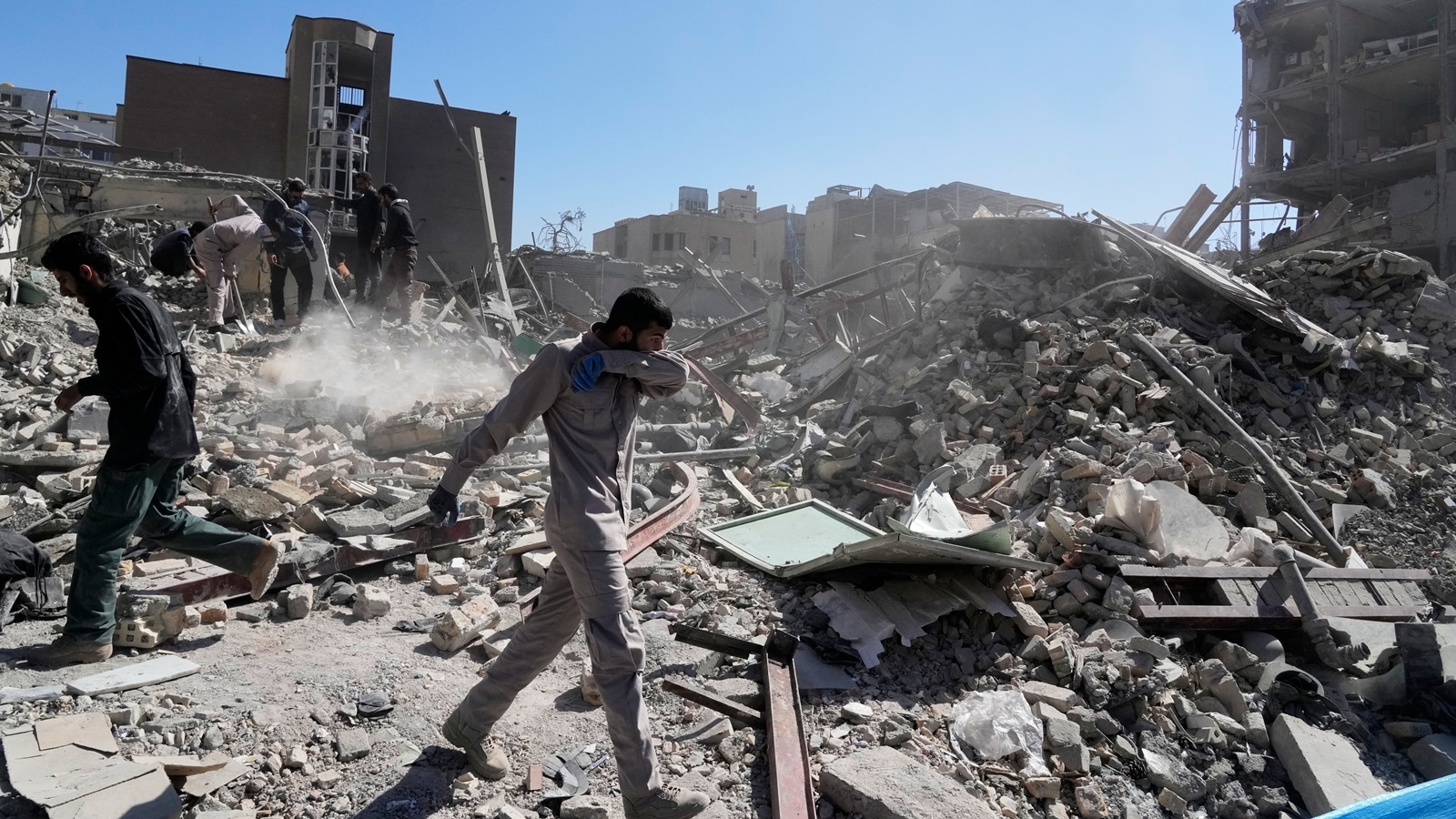
Turn on any major news network and you will see the same tired B-roll: grainy footage of interceptor missiles over Tehran, frantic traders in London staring at red screens, and a "breaking" ticker screaming about blood and smoke. The consensus is settled. They want you to believe we are on the precipice of a global systemic collapse because a few regional powers finally stopped pretending to be friends.
They are wrong.
The "smoke and blood" narrative isn't an analysis; it is a product sold to people who prefer emotional resonance over balance sheets. If you sold your positions on day two of this escalation, you didn't dodge a bullet. You handed your alpha to the people who actually understand how modern energy markets and geopolitical hedging function.
Markets aren't "sliding" because of a war. They are correcting because retail investors have been conditioned to treat every Persian Gulf skirmish like it is 1973. We aren't in the 70s anymore. The math has changed, the supply chains have diverged, and your panic is the only thing currently losing value.
The Myth of the $150 Oil Barrel
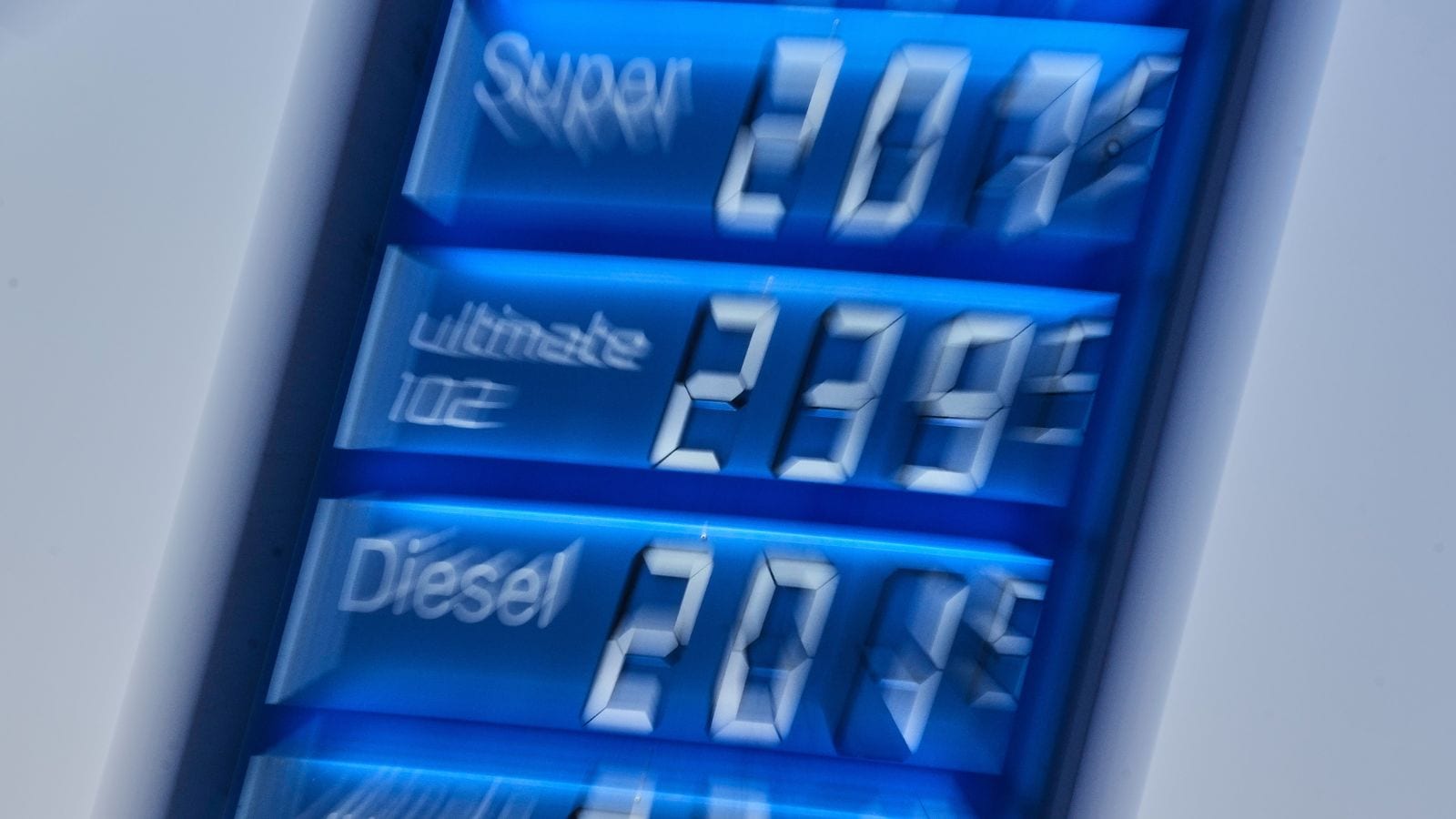
The loudest argument for the current market hysteria is the "inevitable" spike in crude prices. The logic is lazy: Iran gets hit, the Strait of Hormuz closes, and suddenly you’re paying twenty dollars for a gallon of gas.
I’ve sat in rooms with energy analysts who have played out these war games for three decades. Here is what they won't tell you on CNBC: The Strait of Hormuz is a psychological choke point, not a physical one in the long term.
- The Ghost Supply: The United States is currently the largest producer of crude oil in the world. Between the Permian Basin and the Strategic Petroleum Reserve—which despite political theater, still holds enough to blunt a short-term shock—the West is more insulated than at any point in history.
- The China Factor: Iran’s biggest customer isn't the West. It’s China. If Tehran moves to truly shut down global shipping, they aren't just poking the "Great Satan"; they are starving the beast that keeps their own economy on life support. Beijing doesn't do "unconditional support" for regional chaos that raises their manufacturing costs.
- The Spare Capacity: Saudi Arabia and the UAE are sitting on millions of barrels of spare daily capacity. They are currently adhering to OPEC+ cuts to keep prices up. A genuine Iranian outage is a gift to Riyadh. It allows them to flood the market, grab market share, and act as the global stabilizer while charging a premium.
When you see oil jump 5% on news of a drone strike, that isn't the market pricing in a shortage. It’s the market pricing in the fear of a shortage. There is a massive difference. One is a fundamental shift; the other is a tradeable volatility spike that evaporates the moment the first tanker clears the strait unscathed.
Stop Asking if War is Bad for Business
People ask, "How can a war be good for the economy?" This is the wrong question. The right question is: "How has the market already internalized this specific conflict over the last twenty years?"
We have been in a "shadow war" with Iran since the late 70s. Every piece of infrastructure in the region, every shipping insurance premium, and every algorithmic trading bot has already accounted for the "Iran Factor."
Compare this to the 2022 invasion of Ukraine. That was a black swan. It hit the global breadbasket and European energy dependence simultaneously. The current situation in Iran is a "Grey Rhino"—a massive, obvious threat that everyone has seen coming for miles. Because it was expected, it was hedged.
If you look at the CBOE Volatility Index (VIX), you’ll see spikes, but look deeper at the corporate credit spreads. They aren't widening into "disaster" territory. Big debt isn't scared. If the people moving billions of dollars in credit aren't jumping off the ledge, why are you?
The Fallacy of the Safe Haven
The "smoke and blood" article tells you to run to gold and "safe" bonds. This is the ultimate retail trap.
In a high-inflation, high-interest-rate environment, the opportunity cost of sitting in non-productive assets like gold is astronomical. While you're patting yourself on the back for holding a yellow metal that moved 3% on news of an airstrike, you’re missing the massive "blood in the streets" buy signals in tech, logistics, and defense sectors that have been unfairly dragged down by general sentiment.
Imagine a scenario where the conflict remains contained to regional strikes—which, historically, 90% of these escalations do. The market rebounds in a "V" shape within three weeks. You, the "safe" investor, are left holding a stagnant asset while the "risk" you feared turns into the profit you missed.
Geopolitical Realism vs. Journalistic Sensationalism
The media loves a quagmire. It's good for clicks. But let’s look at the actual military capacity of the actors involved.
Iran is a sophisticated regional power, but its economy is a hollow shell under the weight of decades of sanctions. Their "war" is largely fought through proxies because a direct, sustained conventional conflict is a death sentence for the regime. Their goal isn't to win a war; it’s to survive one while appearing defiant.
When a regime's primary goal is survival, they don't take the steps that lead to total economic annihilation. They posture. They strike. They retreat. They negotiate through backchannels.
The "smoke and blood" isn't the start of World War III; it’s a violent round of high-stakes diplomacy. If you’re managing your retirement fund based on the assumption that the world is ending, you’re going to be very poor when the world stubbornly continues to exist.
Why You Are Actually Asking the Wrong Question
You are likely asking: "When should I get back into the market?"
The premise is flawed. You shouldn't have left.
The most successful institutional investors I know don't "exit" for geopolitics. They rebalance. They move from consumer discretionaries to defense contractors like Lockheed Martin or Raytheon. They look at cybersecurity firms that will be tasked with defending against the inevitable Iranian retaliatory hacks.
Actionable advice? Stop looking at the map of the Middle East and start looking at the order books of the companies that provide the solutions to the chaos.
The Brutal Truth About "Market Slides"
A "market slide" is just a sale for people with longer time horizons.
The competitor's article wants you to feel the heat of the fire and the sting of the smoke. They want you to feel the "tragedy." And yes, on a human level, it is a tragedy. But a market is not a moral compass. It is a cold, calculating machine that measures future cash flows.
Right now, the machine is twitching because it hates uncertainty. But the uncertainty of a four-day war is a drop in the ocean compared to the certainty of global technological growth and energy transition.
The "smoke" will clear, the "blood" will dry, and the markets will hit new all-time highs while you are still waiting for a "safe" time to buy.
The most dangerous thing in your portfolio isn't a missile in the Middle East. It’s your own urge to follow the herd into a panic room.
Close the news tab. Open your brokerage. Buy the fear.