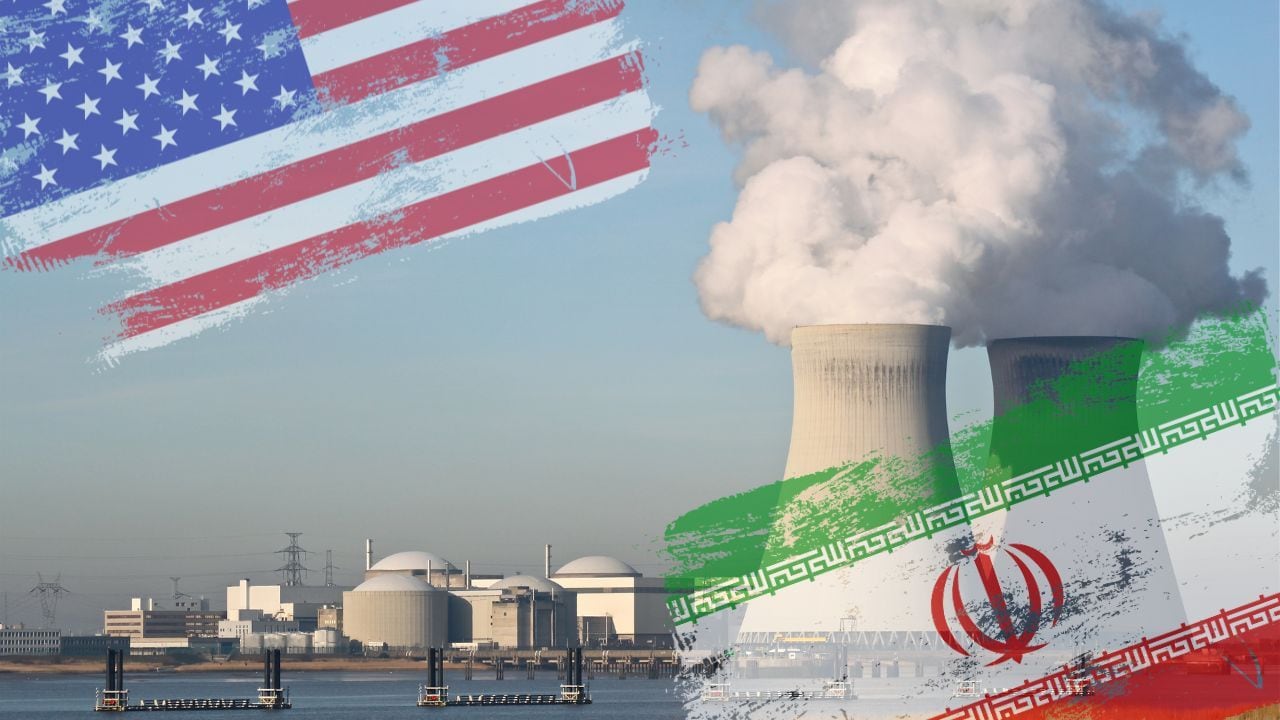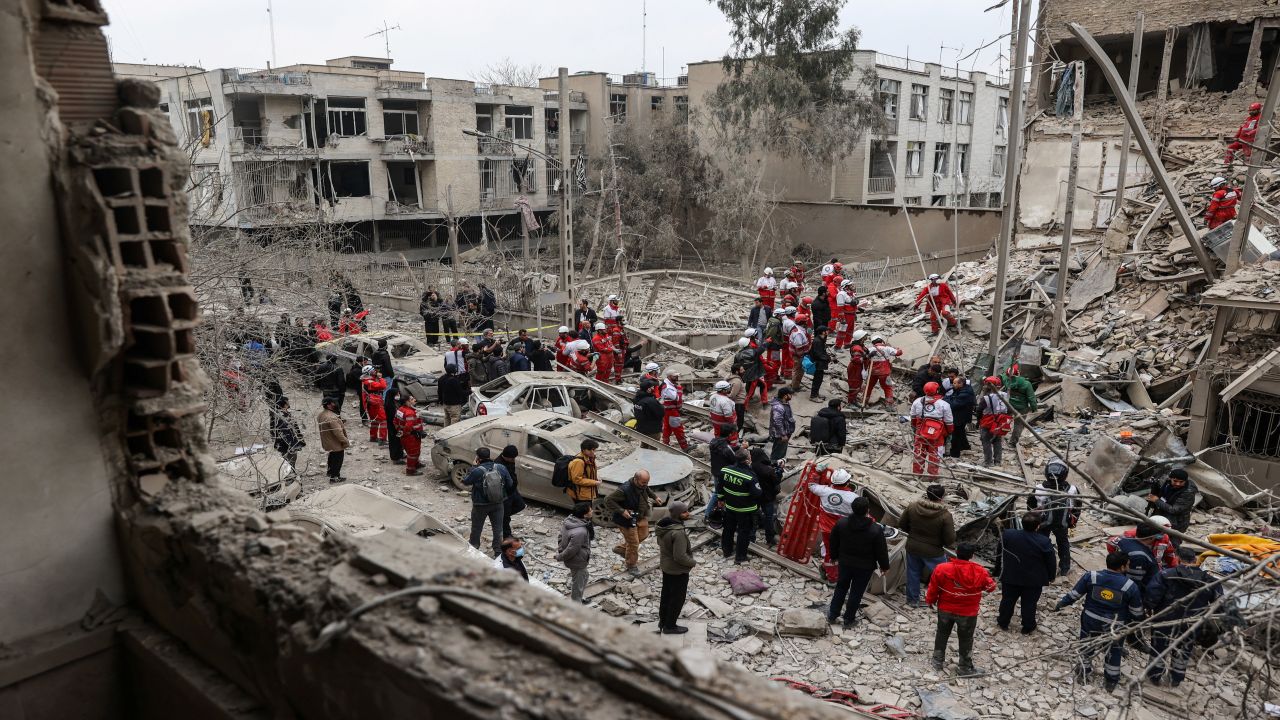
The days when the United States held a total monopoly on high-resolution "eyes in the sky" are officially over. Recent intelligence reports indicate that Russia is now sharing advanced satellite imagery and drone technology with Iran to facilitate strikes against U.S. and allied interests in the Middle East. This isn't just a simple swap of hardware. It’s a fundamental shift in how proxy wars are fought. For decades, Iranian-backed groups relied on luck and basic GPS. Now, they're getting Kremlin-grade data to pick their targets.
If you’ve been following the tension in the Red Sea or the drone across the Jordanian border, you know the stakes. Moscow isn't just selling a few parts. They're integrating Iranian operational needs into their own space-based infrastructure. It’s a marriage of convenience that creates a massive headache for the Pentagon.
The Satellite Data Pipeline from Moscow to Tehran
Russia has a fleet of Kanopus-V satellites. These aren't just for looking at crop yields. They provide high-resolution imagery that can identify infrastructure, troop movements, and naval positions with startling clarity. Reports suggest that Russia is providing Iran with access to this feed, allowing Tehran to map out U.S. bases and commercial shipping lanes in real-time.
Think about the implications for a moment. In the past, if a militant group wanted to hit a moving target, they had to rely on "spotters" on the ground. That’s risky and slow. With satellite imagery, the process is digitized. Moscow hands over the coordinates, Tehran programs the drone, and the strike happens before anyone knows they were being watched.
It’s a classic "enemy of my enemy" scenario. Russia wants to distract the U.S. from the situation in Ukraine. Iran wants to push the U.S. out of the Middle East. By sharing this tech, Russia achieves its goal without firing a single shot of its own. It's clean, it’s effective, and it’s incredibly difficult to stop.
Why Russian Drone Tech is a Force Multiplier
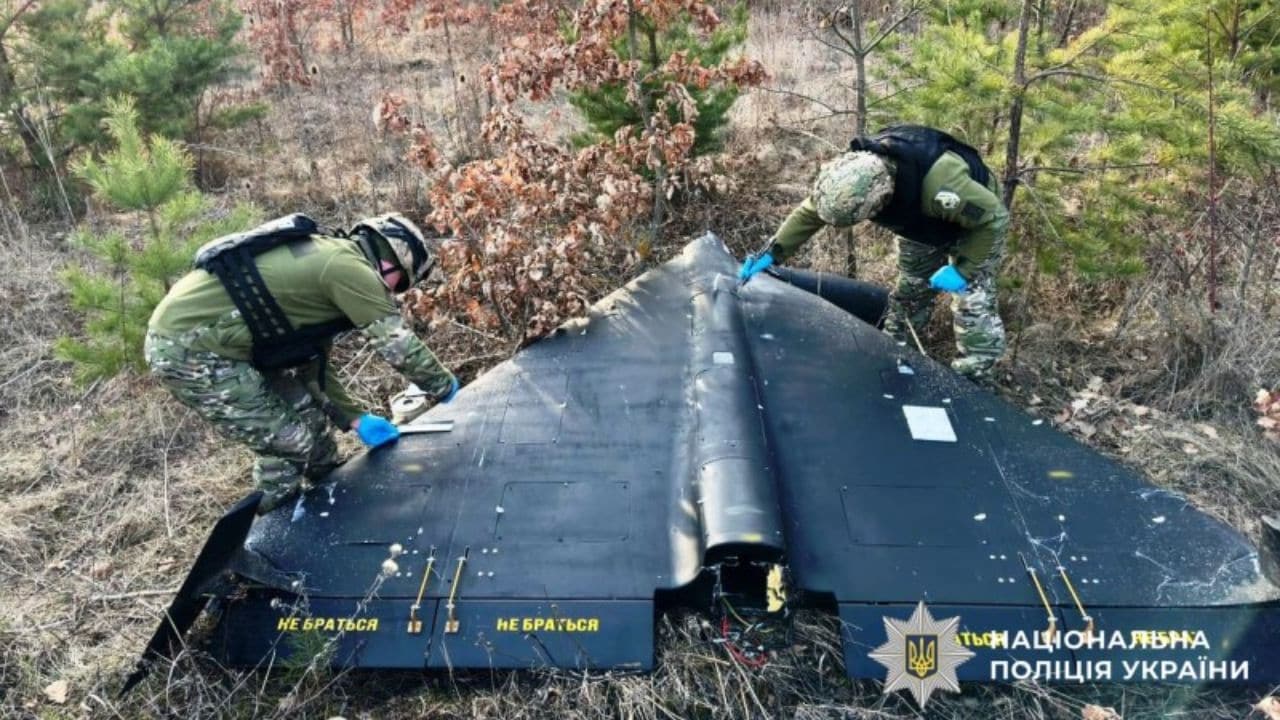
We often hear about Iran’s Shahed drones being used in Ukraine. It’s a two-way street. While Iran provides the "suicide drones" that swarm Ukrainian cities, Russia is giving back something perhaps more valuable: sophisticated electronic warfare (EW) and guidance systems.
Iranian drones were once criticized for being "dumb" munitions. They flew a straight line and were easy to jam. Not anymore. Russian engineering is helping Iran develop drones that can navigate through GPS-denied environments. They're learning how to hop frequencies and bypass the very defenses the U.S. Navy uses to protect its destroyers.
- Anti-Jamming Capabilities: Russia has some of the world’s most advanced EW suites. Sharing this logic with Iran makes Iranian drones much harder to shoot down.
- Optics: Russian thermal imaging sensors are finding their way into Iranian manufacturing pipelines, allowing for night-time precision that was previously out of reach.
- Mass Production: Russia is helping Iran scale up. We aren't looking at dozens of drones anymore; we're looking at thousands.
The Impact on Global Shipping and U.S. Bases
The most immediate threat is felt in the Bab al-Mandeb strait. Houthi rebels, backed by Iranian intelligence, have been harassing global shipping for months. If these rebels gain access to Russian satellite data, they won't just be firing blindly into the water. They’ll be targeting specific engine rooms or bridge decks of tankers.
The economic fallout is real. Insurance premiums for ships in the Red Sea have skyrocketed. Some companies are taking the long way around Africa, adding weeks to delivery times and pushing up the cost of everything from oil to electronics. This isn't just a military problem. It's a "your Amazon package is late and gas is more expensive" problem.
U.S. bases in Iraq and Syria are also in the crosshairs. These "black sites" and outposts rely on being difficult to find or hard to hit. If Russia provides the exact layout of a base—down to where the fuel bladders and barracks are located—the lethality of Iranian-made missiles increases exponentially.
Breaking Down the Geopolitical Trade
Why would Russia risk more sanctions by helping Iran? Honestly, they don't have much left to lose. Russia is already the most sanctioned country on earth. At this point, the Kremlin sees more value in causing chaos for Washington than in playing by the international rulebook.
There’s also the matter of the "Special Relationship" between the two nations. Russia needs Iranian drones for its war in Ukraine. In exchange, Iran wants more than just cash. They want a seat at the table of space-faring nations. Russia is reportedly helping Iran launch its own satellites, like the Pars-1, which was put into orbit by a Russian rocket.
This isn't just about the next six months. This is about building a long-term technical alliance that bypasses Western technology entirely. If they can build their own ecosystem of satellites and sensors, the U.S. loses its primary advantage: information superiority.
What Happens When the Tech Filters Down to Proxies
The real danger isn't necessarily a direct war between the U.S. and Iran. It's the "trickle-down" effect of this technology. Once Russia shares a piece of code or a satellite map with Iran, it’s only a matter of hours before it reaches groups like Hezbollah or the Houthis.
We're seeing a democratization of high-end warfare. Stuff that used to be reserved for superpowers is now available to non-state actors. It's a nightmare for regional stability. When a rebel group has the same quality of intelligence as a mid-sized nation, the traditional "deterrence" model breaks. You can't deter someone who feels they finally have the upper hand.
How the U.S. and Allies are Responding
The Pentagon isn't just sitting still. There’s a massive push to upgrade the "Phalanx" systems and directed-energy weapons (lasers) on ships to counter these smarter drones. But tech moves fast. It’s a constant cat-and-mouse game.
The U.S. is also leaning on diplomatic pressure, though that's had limited success. Sanctioning a Russian satellite company doesn't do much when that company only deals with Iran and China. The real work is happening in the "gray zone"—cyber operations to disrupt the data links and electronic warfare to "blind" the satellites as they pass over sensitive areas.
The Reality of the New Arms Race
You have to realize that this isn't a temporary glitch in diplomacy. We've entered a new era of "Intelligence Sharing Agreements" between authoritarian regimes. Russia and Iran have realized that by pooling their resources, they can punch way above their weight class.
For the average observer, the takeaway is simple: the Middle East is getting a lot more dangerous because the weapons being used there are getting a lot more "Russian." It's no longer just about who has the most tanks. It's about who has the best data link.
If you want to stay ahead of this, keep an eye on Russian rocket launches carrying Iranian payloads. That’s the real bellwether for how much deeper this partnership goes. Watch the movement of technical advisors between Tehran and Moscow. This isn't just a news story; it’s the blueprint for the next decade of global conflict.
Start looking at defense contractors focusing on "Counter-UAS" (Unmanned Aircraft Systems) and satellite jamming. That's where the next wave of military spending is headed. The era of the "unseen" drone is over; the era of the "satellite-guided" drone swarm has begun.