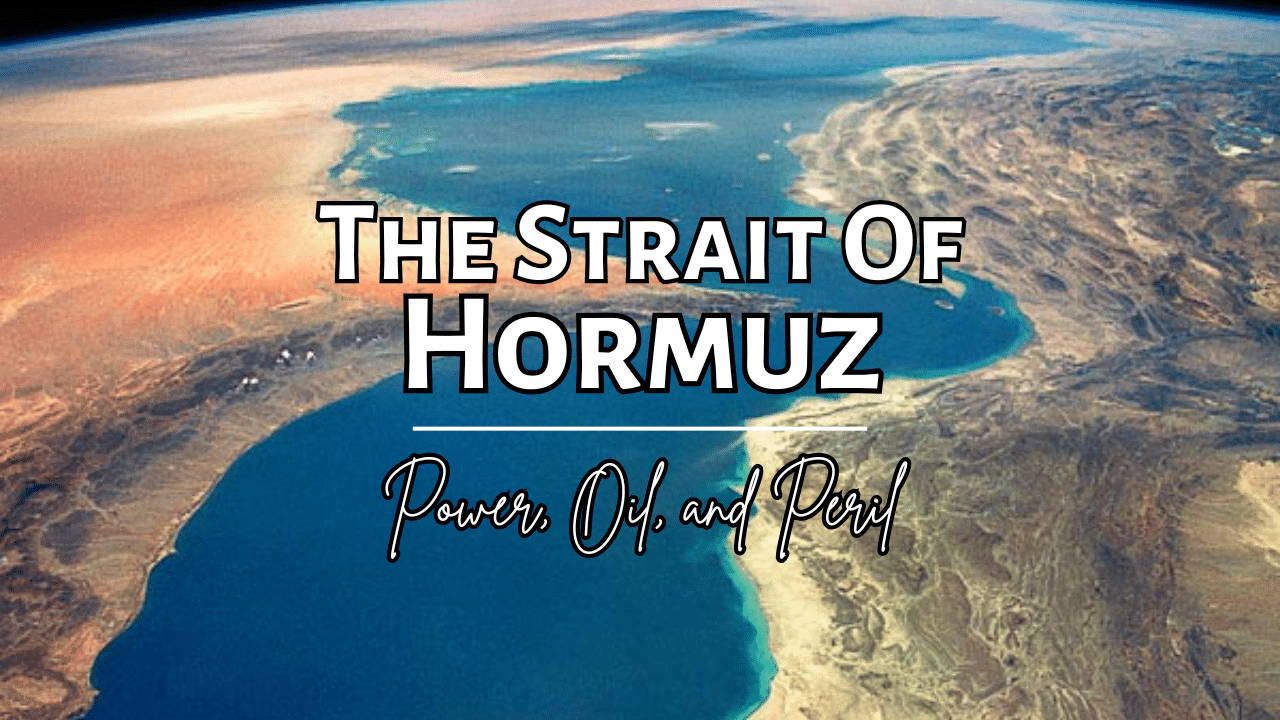
The Strait of Hormuz is the most significant oil chokepoint on the planet, a narrow strip of water where a single miscalculation can send global energy markets into a tailspin. While the United States moves to assemble a maritime coalition to escort tankers and project force, Beijing is playing a different game entirely. China relies on the Middle East for roughly half of its crude oil imports. Any disruption to this flow is not just a logistical headache; it is an existential threat to the Chinese economy. Consequently, Beijing’s calls for "stability" are not merely diplomatic pleasantries. They are the desperate maneuvers of a superpower that lacks the blue-water navy to secure its own energy pulse and must instead rely on a complex web of backchannel diplomacy and economic leverage.
The tension in the Gulf represents a collision between old-school naval power and modern economic interdependency. Washington views the Strait through the lens of security and deterrence. Beijing views it through the lens of survival. If the Strait closes, the factory of the world goes dark.
The Fragile Logic of Chinese Neutrality
For decades, China has benefited from a security environment largely underwritten by the U.S. Navy. This "free rider" status allowed Beijing to cultivate deep ties with Riyadh while simultaneously signing a 25-year strategic cooperation agreement with Tehran. This balancing act is now reaching its breaking point. As the U.S. pushes for a formal escort mission, China finds itself trapped between its need for American-guaranteed maritime order and its desire to avoid being seen as a junior partner in a Western-led military bloc.
Beijing’s refusal to join the U.S.-led coalition is often framed as a principled stance on sovereignty. The reality is far more pragmatic. Joining a Western military effort would alienate Iran, a crucial partner in the Belt and Road Initiative and a primary source of discounted oil. Yet, if China does nothing, it remains vulnerable to the whims of regional actors who know that a shuttered Strait hurts China more than it hurts a shale-rich America.
China’s strategy revolves around "de-escalation through investment." By pouring billions into infrastructure projects across the Middle East, Beijing hopes to create a shared economic interest that makes conflict too expensive for any party to pursue. It is a gamble that commerce can trump ancient sectarian and geopolitical rivalries.
The Escort Dilemma and Naval Reality
There is a significant gap between China’s ambitions and its actual ability to project power in the Persian Gulf. While the People's Liberation Army Navy (PLAN) has expanded at a staggering rate, its logistical footprint in the Middle East remains thin. The base in Djibouti is a start, but it is not enough to sustain a high-intensity escort operation thousands of miles from the mainland.
Escorting tankers is a resource-heavy endeavor. It requires constant patrolling, sophisticated anti-mine capabilities, and a willingness to engage in combat. If China were to send its own independent escort fleet, it would face a steep learning curve. The Gulf is a crowded, volatile space. A single "near miss" between a Chinese destroyer and an Iranian fast-attack craft or a U.S. carrier group could trigger the very crisis Beijing is trying to avoid.
The Shadow Economy of the Strait
Beyond the official rhetoric lies a shadowy world of "ghost tankers" and ship-to-ship transfers that keep the oil moving despite sanctions. China is the primary destination for this clandestine trade. Maintaining stability in the Strait is not just about keeping the shipping lanes open for legal trade; it is about ensuring the survival of the gray markets that provide China with a significant pricing advantage.
A heavy military presence in the Strait—whether U.S. or international—threatens this delicate ecosystem. Increased surveillance makes it harder for sanctioned vessels to operate. This is the unspoken reason behind Beijing’s cool response to "escort plans." They don't just want the oil to flow; they want it to flow through the specific, often obscured channels they have spent years developing.
The Cost of the Status Quo
The current situation is unsustainable for a nation that aims to be the world's leading superpower by mid-century. Dependence on a maritime passage controlled by a rival power is a strategic nightmare. Beijing is attempting to bypass the Strait of Hormuz entirely through overland pipelines in Pakistan and Myanmar, but these projects face their own set of security and geological hurdles. They are nowhere near the scale required to replace the massive volumes currently passing through the Gulf.
Every time a tanker is seized or a drone is launched near the Strait, the "China Premium" on oil prices spikes. This is a direct tax on Chinese manufacturing. While the U.S. can retreat to its own domestic production, China has no such luxury. It is chained to the geography of the Middle East.
Diplomacy as a Shield
Lacking the naval muscle to dictate terms, China has leaned into its role as a "neutral" mediator. The 2023 deal it brokered between Saudi Arabia and Iran was a clear signal that Beijing wants to manage regional tensions through the boardroom rather than the deck of a destroyer. By positioning itself as the only major power that talks to everyone, China hopes to insulate itself from the fallout of a potential conflict.
However, diplomacy has its limits when the missiles start flying. If a major conflict breaks out in the Strait, Beijing’s phone calls won't stop the closure of the shipping lanes. The fundamental weakness of the Chinese position is that its influence is almost entirely economic. In a hot war, that influence evaporates instantly.
The U.S. knows this. By proposing an international coalition, Washington is effectively daring Beijing to either step up and share the burden of maritime security—on Western terms—or remain a passive observer to its own potential strangulation. It is a sophisticated trap designed to expose the limitations of Chinese power.
The Shift Toward Domestic Resilience
Recognizing this vulnerability, Beijing is aggressively pushing for an internal transition. This includes a massive expansion of strategic petroleum reserves and an accelerated shift toward electric vehicles and renewable energy. These are not just environmental goals; they are national security imperatives designed to decouple the Chinese economy from the volatility of the Strait of Hormuz.
Until that transition is complete, China remains a hostage to the geography of the Middle East. The "stability" it craves is not a sign of strength, but a confession of its current limitations. The coming decade will be defined by whether China can build a navy capable of securing these waters or if it will be forced to continue its high-stakes diplomatic tightrope walk.
Follow the movement of VLCC (Very Large Crude Carrier) traffic through the Strait over the next six months. If the ratio of "dark" vessels to tracked vessels increases, it is a definitive sign that Beijing is successfully bypassing formal security structures in favor of its own shadow networks.