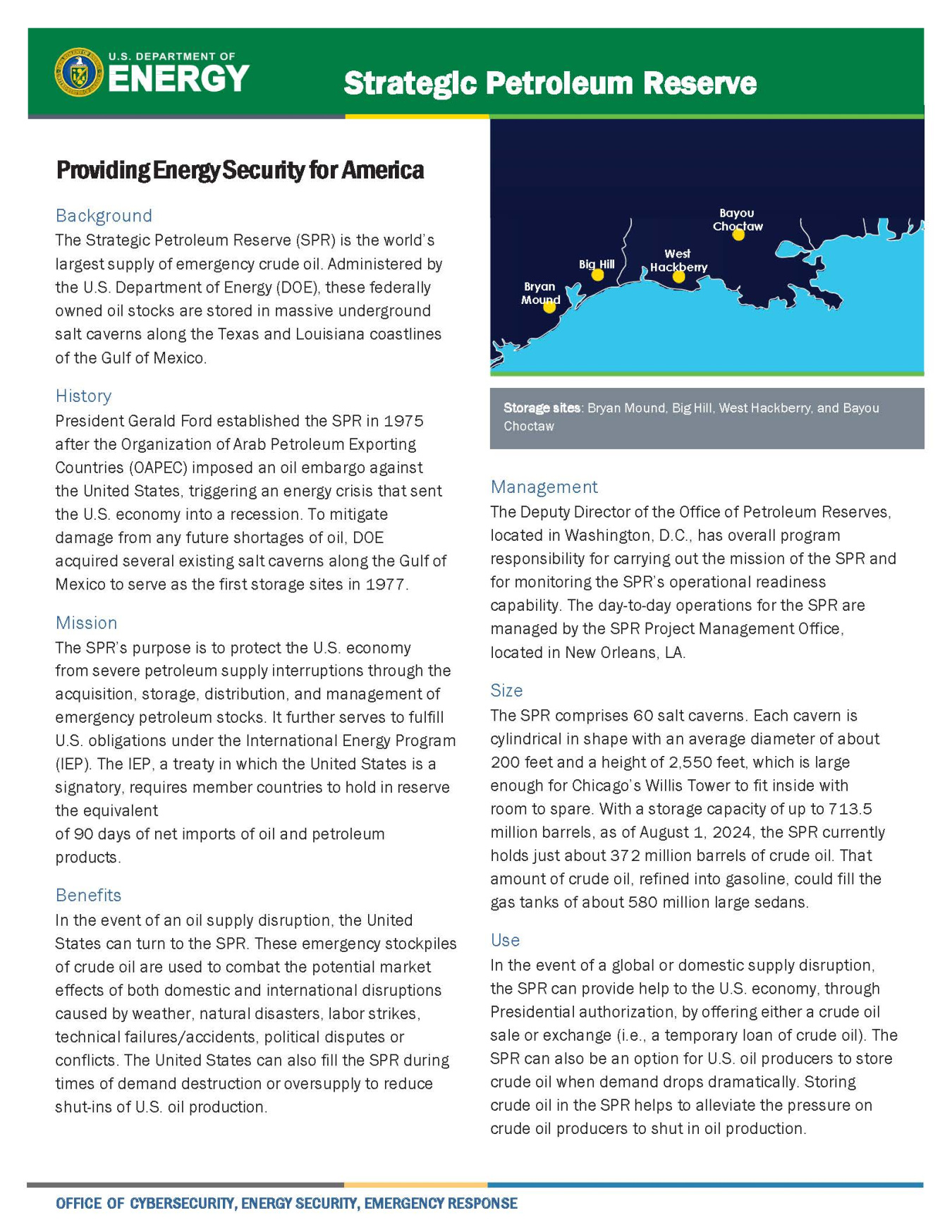
The scale of a coordinated emergency oil release is the most accurate leading indicator of a protracted geopolitical conflict. When the International Energy Agency (IEA) or individual superpowers greenlight record-level drawdowns from the Strategic Petroleum Reserve (SPR), they are not merely addressing a current supply gap. They are pricing in a high-probability "long-tail" event. This maneuver signals that the diplomatic and military assessment of a Middle Eastern conflict has shifted from a short-term disruption to a multi-month structural threat to global energy flows.
The Mathematical Rationale for Emergency Releases
Market stability relies on the relationship between daily global consumption—roughly 102 million barrels—and the "spare capacity" held by OPEC+ members. When a conflict threatens the Strait of Hormuz or major regional production facilities, the market instantly prices in a "war premium." This premium is not a reflection of a current shortage but a speculative hedge against a total cessation of flows.
The deployment of an SPR release acts as a counter-speculative tool. By injecting millions of barrels per day into the physical market, governments achieve three specific objectives:
- Physical Arbitrage: They provide refiners with immediate feedstock to prevent a spike in gasoline and diesel prices at the pump.
- Psychological De-risking: They signal to traders that the state is willing to act as the "supplier of last resort," which collapses the speculative premium.
- Logistical Buffering: They buy time for maritime shipping routes to be re-routed or for military escorts to be organized without causing an immediate industrial standstill.
The Three Pillars of Sustained Energy Warfare
Analyzing a "record" release requires looking past the headline number of barrels. The duration and intensity of a conflict are dictated by three specific variables that an emergency release is designed to mitigate.
1. The Infrastructure Vulnerability Coefficient
Modern energy markets are not just about crude; they are about the integrity of the transit points. In the Middle East, this centers on the Strait of Hormuz, where approximately 20% of the world’s daily oil consumption passes. A conflict that threatens this chokepoint forces a shift from "just-in-time" inventory management to "just-in-case" stockpiling. An emergency release at a record scale indicates that Western intelligence expects these transit points to remain contested or closed for a period exceeding 90 days.
2. The Refiner Elasticity Gap
Refineries are tuned to specific grades of crude (API gravity and sulfur content). Middle Eastern oil is generally medium-to-heavy and sour. If this supply is cut, refiners cannot simply switch to light-sweet shale oil from the U.S. without significant yield losses. The SPR, particularly in the U.S., contains a mix of grades. A massive release is often a targeted attempt to provide the specific chemical "diet" refineries need to maintain high utilization rates while regional alternatives are sought.
3. The Sovereign Credit Pressure Loop
For many developing nations, a sustained oil price above $110 per barrel is not just an inconvenience; it is a catalyst for sovereign debt defaults. High energy costs drive up the price of fertilizer and transport, leading to food insecurity and internal civil unrest. A record SPR release is a form of "macroeconomic defense." It prevents the conflict from metastasizing into a global series of debt crises that would further destabilize the geopolitical alignment required to manage the Middle Eastern war.
The Cost Function of Depletion
Every barrel released from an emergency reserve is a strategic asset liquidated. The decision to execute a "record" release reveals a grim calculation: the cost of current economic collapse is higher than the risk of future scarcity. This creates a specific "Depletion Dilemma."
- Refill Lag: Replacing 100 million barrels of oil is not an instantaneous process. It requires months of steady purchasing that can itself drive prices back up.
- Deterrence Erosion: A depleted SPR reduces a nation's "energy stick." If a second, unrelated conflict were to break out (e.g., in the South China Sea), the nation would have significantly less leverage to stabilize its own economy.
- Fiscal Exposure: Selling oil at $90 during a crisis and being forced to buy it back at $100 later to replenish the stocks creates a massive fiscal deficit that must be absorbed by the taxpayer.
The willingness to accept these risks confirms that the current Middle Eastern trajectory is viewed as a generational threat to the established trade order.
Asymmetric Escalation and the Maritime Risk Profile
Standard market analysis often misses the "insurance bottleneck." Even if physical oil is available, a conflict that drags on for months makes it impossible for tankers to secure affordable protection and indemnity (P&I) insurance.
When the IEA coordinates a release, they are effectively providing a "physical insurance policy." By ensuring supply is available from inland pipes or domestic coastal reserves, they bypass the need for high-risk maritime transit during the most volatile phases of the war. This structural shift in how oil moves—from the sea to the pipe—is a hallmark of a long-term conflict strategy.
The shift toward record releases suggests a transition from "Crisis Management" to "War Economy Integration." In this phase, the energy market is no longer a free market; it is an extension of the military-industrial complex.
Quantifying the "Months-Long" Forecast
A conflict that lasts "months" moves through three distinct phases of energy impact:
- The Shock Phase (Weeks 1-4): Price discovery is chaotic. The SPR release is announced to blunt the initial spike.
- The Adjustment Phase (Months 2-4): Supply chains re-orient. Long-term contracts are re-negotiated. The SPR release continues to provide the steady "base-load" supply to prevent a secondary spike during the transition.
- The Attrition Phase (Month 5+): This is the point of maximum danger. If the SPR is not replenished and the conflict persists, the global economy faces a "supply cliff."
The announcement of a "record" release is a deliberate attempt to skip the Shock Phase and provide enough liquidity to survive the Adjustment Phase. It is an admission that the Attrition Phase is a distinct possibility.
Strategic Recommendation for Global Operations
Organizations must pivot from price-hedging to supply-chain redundancy. The signal sent by record SPR releases indicates that the Middle Eastern conflict has entered a "structural duration" phase.
Immediate operational focus must shift to:
- Contractual Force Majeure Audits: Review all energy-intensive supply contracts for clauses triggered by regional war or government intervention in energy markets.
- Inventory Front-Loading: Instead of relying on "just-in-time" fuel or chemical deliveries, increase on-site storage capacity to cover a 60-day disruption, mirroring the government's own shift toward stockpiling.
- Geographic Diversification of Feedstock: Prioritize suppliers in the Atlantic Basin or South America, even at a slight premium, to bypass the logistical vulnerabilities inherent in the Middle Eastern corridor.
The scale of the intervention is the message. When governments empty their "rainy day" tanks at a record pace, it isn't just raining; a structural storm has arrived.