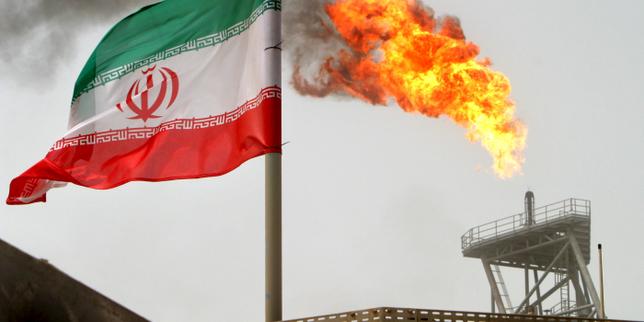
Donald Trump has reportedly signaled a firm rejection of preliminary efforts to establish ceasefire talks or a new diplomatic framework with Iran. This move does not just stall a few meetings; it effectively guts the quiet back-channel efforts that European and regional intermediaries have spent months building. By signaling that he has no interest in entertaining early-stage de-escalation, Trump is telegraphing a return to the maximum pressure strategy that defined his first term. This isn't a mere policy shift. It is a calculated demolition of the current diplomatic architecture.
The core of this refusal lies in a fundamental disagreement over leverage. Where previous actors sought to find a baseline for conversation to prevent a regional explosion, Trump’s transition team views such talks as a lifeline for a "failing" Iranian economy. The logic is simple and brutal. Why offer a seat at the table to an adversary when you believe that adversary is on the brink of collapse? Sources close to the transition suggest that the goal is not a better deal, but total capitulation driven by economic exhaustion.
The Death of the Back Channel
For the last year, a delicate web of intermediaries—ranging from Swiss diplomats to Qatari officials—has been trying to keep a lid on the simmering conflict between Washington and Tehran. These channels were designed to prevent miscalculations. They were the safety valves. By rejecting these efforts now, Trump is removing the safety valves before he even takes the oath of office.
The impact on global markets is already being felt in the quiet corners of the energy sector. Stability in the Middle East is the primary variable for oil pricing, and a "no-talks" policy introduces a volatility premium that traders are struggling to quantify. If the path to diplomacy is blocked, the only remaining paths involve increased sanctions, cyber warfare, or kinetic escalation.
Why Intermediaries are Panicking
European allies are particularly rattled. For London, Paris, and Berlin, the collapse of these talks means they are once again caught between American financial dominance and the threat of Iranian regional retaliation. They viewed the early ceasefire proposals as a way to "freeze the map." Trump’s team views "freezing the map" as a strategic error that gives Tehran time to breathe, regroup, and continue its enrichment programs.
The rejection is also a personal blow to regional players like Oman and Qatar. These nations have built their foreign policy identities on being the "honest brokers" of the Middle East. When the most powerful player in the room refuses to acknowledge the broker, the broker loses all utility. We are seeing a shift from multi-lateral mediation to a stark, binary power struggle.
The Economic Weaponization of No
Trump’s strategy is rooted in the belief that the Iranian Rial is the most effective weapon in the American arsenal. During his first term, the systematic targeting of Iranian oil exports and banking access crippled the country's GDP. The current rejection of talks suggests that the incoming administration believes they can finish what they started.
There is a specific mechanism at work here. By signaling a refusal to talk, the U.S. discourages foreign investment in Iran before it even happens. No major corporation in Asia or Europe will sign a deal with Tehran if they know a wall of sanctions is about to be rebuilt. This "pre-emptive sanctioning" through rhetoric alone is a powerful tool. It creates a vacuum of capital that the Iranian government cannot fill.
The Math of Maximum Pressure
Consider the numbers that drive this decision. Iran's inflation rates have hovered at levels that would trigger a revolution in most Western nations. The youth unemployment rate remains a ticking time bomb for the clerical establishment. Trump’s advisors argue that $1 in sanctions relief today is worth $10 in regional instability tomorrow. They are betting that the internal pressure within Iran will force a collapse of the current power structure or, at the very least, a total surrender of their nuclear ambitions.
Critics argue this is a dangerous gamble. They point out that a cornered regime is often more dangerous than a stable one. However, the Trump camp views the "stability through diplomacy" model as a proven failure that only funded the very proxies—Hezbollah, Hamas, and the Houthis—that are now destabilizing the globe.
Regional Fallout and the New Alliance
This rejection of talks isn't happening in a vacuum. It is deeply intertwined with the expansion of the Abraham Accords. The strategy is to build a regional wall of American allies—Israel, Saudi Arabia, the UAE—that makes Iran’s conventional military power irrelevant. If the U.S. refuses to talk to Iran, it strengthens its hand with these regional partners who have long viewed Western diplomacy with Tehran as a betrayal.
The Saudi Variable
The most significant question mark remains Riyadh. While Saudi Arabia has engaged in its own direct talks with Iran recently, a hardline U.S. stance changes the calculus for Crown Prince Mohammed bin Salman. He now has to choose between continuing his own thaw with Tehran or aligning with a rejuvenated American pressure campaign that promises to eliminate his primary rival’s influence.
Trump’s refusal to engage in ceasefire talks signals to the Saudis that the "big brother" is back in the neighborhood. It offers them a choice: peace through Iranian accommodation or peace through Iranian containment. History suggests the latter is far more appealing to the Gulf monarchies, provided the U.S. provides the necessary security guarantees.
The Nuclear Brinkmanship
The most terrifying aspect of this diplomatic shutdown is the nuclear component. Iran has increased its stockpile of highly enriched uranium to levels that have no credible civilian purpose. By walking away from the table, the U.S. is essentially saying it no longer believes a written agreement can stop a centrifuge.
This shifts the focus from the Department of State to the Department of Defense. If diplomacy is off the table, the only remaining tool to prevent a nuclear-armed Iran is sabotage or direct military action. This isn't abstract theory; it is the logical conclusion of a policy that rejects negotiation. We are moving into an era where "red lines" will be tested not with words, but with hardware.
Intelligence Gaps and Risks
One major risk of shutting down communication is the loss of intelligence. Back channels often provide a "feel" for the adversary’s internal politics. Without them, the U.S. is flying blind, relying solely on satellite imagery and electronic intercepts. In a region where a single misunderstood move can trigger a war, this silence is deafening.
The Hard Reality of the Pivot
Trump’s team isn't interested in the nuances of Persian politics or the delicate feelings of European diplomats. They are interested in results. The rejection of these talks is a clear message that the era of "strategic patience" is over. It is a return to a world where power is the only currency that matters.
This isn't just about Iran. It’s a message to China and Russia as well. The U.S. is signaling that it is willing to walk away from the table if the terms aren't entirely in its favor. This "walk-away power" is the cornerstone of the Trump foreign policy doctrine. It’s a high-stakes game of chicken where the opponent's car is already missing a wheel.
The rejection of ceasefire talks marks the end of an era of managed conflict. We are entering a phase of unmanaged confrontation. The goal is no longer to contain the fire, but to starve it of oxygen. Whether the regime in Tehran can survive this renewed vacuum remains the most consequential question of the coming decade. The machinery of pressure is being reassembled, and this time, there is no "off" switch in sight.
The immediate result will be a surge in regional tension, a tightening of the global energy market, and a realization among allies that the old rules of engagement have been shredded. Those waiting for a return to the status quo are ignoring the clear signals coming from the transition. The door is not just closed; it is being bolted from the inside.