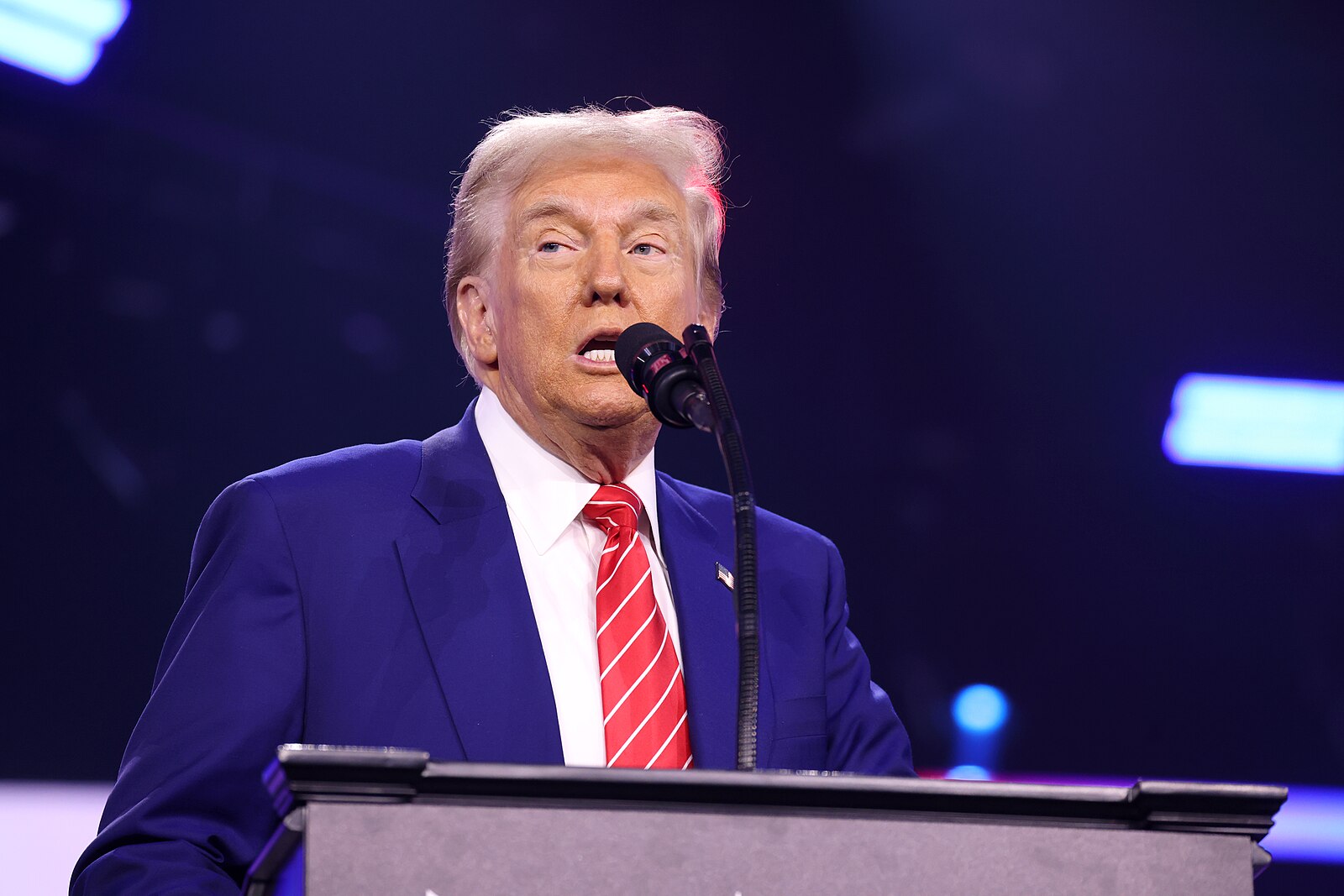
Donald Trump wants a global naval coalition to crack the Iranian blockade on the Strait of Hormuz, and he’s not being subtle about it. While flying back from Florida on Air Force One this week, the President made it clear that he expects the countries actually using the oil to start ponying up some warships. His logic is simple: if you’re the one buying the fuel, you should be the one protecting the route.
But there’s a massive gap between a presidential demand on social media and actual boots—or hulls—in the water. So far, the response from key allies like Japan and Australia has been a resounding "not right now." It’s a classic standoff. Washington is tired of playing world policeman for energy supplies it doesn’t even rely on as much as it used to, while allies are terrified of getting sucked into a shooting war that could go sideways in an afternoon.
The Chokehold on Global Energy
The Strait of Hormuz isn't just a stretch of water. It's the world's most sensitive jugular vein. About 20% of the world’s energy supply passes through this narrow gap, which is only 21 miles wide at its tightest point. Since the U.S.-Israeli conflict with Iran kicked off three weeks ago, Tehran has effectively turned the lights out on this transit.
The results have been predictable and messy. Brent crude is hovering over $104 a barrel. Asian markets are shaking. Shipping companies are idling hundreds of vessels or taking the long way around Africa because the risk of a missile strike or a sea mine is simply too high. Iran’s stance is blunt: the strait is open to everyone except their "enemies." In their eyes, that list is growing.
Trump’s argument is that the U.S. shouldn't have to carry the burden alone. He’s specifically called out China, France, Japan, South Korea, and the UK. He’s even threatened that NATO’s future looks "very bad" if its members don't step up. It's the ultimate "America First" foreign policy moment. He’s telling the world that the days of the U.S. Navy providing a free security blanket for global trade are over.
Japan and Australia Choose the Sidelines
Despite the pressure, Tokyo and Canberra aren't budging. Prime Minister Sanae Takaichi told the Japanese parliament that they have no plans to send naval vessels. It’s not just a lack of will; it’s a legal nightmare. Japan’s pacifist constitution—Article 9—basically forbids the country from using force to settle international disputes or maintaining a military for anything other than strict self-defense.
While Takaichi hinted that mine clearance might be on the table after a conflict ends, sending destroyers into an active war zone to escort tankers is a bridge too far for Japanese law. It’s a political third rail that no leader in Tokyo wants to touch, especially with a skeptical public.
Australia’s response was just as cool. Transport Minister Catherine King noted that they hadn't even been formally asked yet, but regardless, they aren't sending ships. Canberra is focusing its efforts on defensive measures in the UAE and protecting its own citizens in the region. Honestly, the math doesn't work for them either. Sending a limited number of high-value assets into a zone where Iran is using "swarming" tactics with fast boats and drones is a recipe for a naval disaster they can't afford.
Why the Allies Are Hesitating
It’s easy to see why these countries are dragging their feet. Joining a "coalition of the willing" under Trump feels like a one-way ticket to escalation. If a Japanese or Australian ship fires on an Iranian vessel, they aren't just "protecting trade"—they’re officially combatants in a war with no clear exit strategy.
- Risk of Entrapment: Allies fear that by joining the coalition, they lose control over their own foreign policy and get tethered to Washington's military objectives.
- Tactical Nightmares: The Strait is a "horrible" environment for naval warfare. It’s shallow, narrow, and perfect for the asymmetric tactics Iran excels at, like sea mines and shore-based anti-ship missiles.
- Economic Blowback: If a coalition ship gets hit, the resulting surge in oil prices could be even worse than the current blockade.
Trump’s rhetoric hasn't helped. By threatening to postpone summits with Xi Jinping or suggesting NATO is obsolete if members don't comply, he’s turned a security issue into a loyalty test. Most countries would rather deal with high gas prices for a month than a regional war for a decade.
The Reality of a "Self-Funded" Security Model
We're seeing a fundamental shift in how global maritime security works. For decades, the U.S. Fifth Fleet was the undisputed guarantor of the Gulf. Now, the U.S. is saying, "We’re energy independent, why are we doing this?"
It’s a fair point, but it ignores the reality that oil is a global commodity. If the Strait stays closed, it doesn’t matter if the U.S. gets its oil from Texas or the Middle East—the price will spike everywhere. The "you use it, you protect it" model sounds great on a social media post, but it assumes every country has the naval capability to do it.
For now, the Strait remains "effectively closed." The shipping industry has basically decided for itself that the risk of a missile through the hull is too high. Until a credible force can guarantee safe passage—and that means more than just a few U.S. destroyers—the world’s energy flows will stay throttled.
What should we expect next? Watch for a quiet "European-led" initiative. France and the UK are already talking about a maritime awareness mission that’s separate from the U.S. military strategy. It’s a way for allies to show they’re doing "something" without fully signing on to Trump’s vision for the region.
If you’re a stakeholder in the global energy market, start looking at alternative routes and long-term supply contracts that don't depend on the Gulf. The era of cheap, guaranteed security in the Strait of Hormuz is over. It’s time to plan for a world where the sea lanes are a lot more contested and a lot more expensive to keep open.