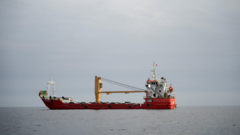
The US Navy officially began interdicting ships at the mouth of the Persian Gulf yesterday, and honestly, the world is holding its breath. This isn't just another round of sanctions or a "maximum pressure" campaign. It’s a full-on naval blockade of Iranian ports—an act of war by almost any legal definition. President Trump’s decision to choke off the Strait of Hormuz after peace talks in Islamabad fell apart has sent shockwaves from the gas pumps in Ohio to the halls of power in Beijing.
China didn't wait long to weigh in. On Tuesday, Chinese Foreign Ministry spokesman Guo Jiakun called the move "dangerous and irresponsible." But if you look past the diplomatic jargon, you'll see a superpower that’s genuinely worried about its energy security and the very real possibility of a global depression.
The immediate fallout of the Hormuz blockade
Let's look at the numbers because they're terrifying. Since the blockade began at 10 a.m. Eastern Time on Monday, Brent crude oil prices have surged past $120 per barrel. That’s a massive jump from the $70 levels we saw just two months ago.
Why such a violent reaction?
The Strait of Hormuz is the world's most important oil chokepoint. About 20% of global oil and a huge chunk of Liquefied Natural Gas (LNG) pass through this narrow waterway. When the US Navy starts stopping and searching every tanker, the insurance costs for shipping skyrocket. Some companies aren't even willing to send their vessels into the Gulf anymore.
China, India, Japan, and South Korea are the hardest hit here. They buy about 75% of the oil that comes through the Strait. For Beijing, this blockade isn't just a political disagreement—it’s a direct threat to the fuel that keeps their factories running.
China's stance is about more than just solidarity
Beijing's reaction might seem like typical anti-US rhetoric, but their concerns are deeply practical. China has been trying to position itself as the "adult in the room" in Middle Eastern diplomacy. While US-Iran peace talks led by Vice President JD Vance were hitting a wall, Xi Jinping was busy floating a four-point plan for regional stability.
The Chinese argument is simple: you can't force peace through starvation. Guo Jiakun pointed out that there was a fragile ceasefire in place. By ramping up military operations now, the US risks turning a cold war into a hot one.
"The US increased military operations and took a targeted blockade action, which will only exacerbate tensions," Guo told reporters in Beijing. He's not wrong. When you corner a regime like Iran’s, they don't usually surrender quietly. They lash out. We’ve already seen reports of Iranian drone threats against desalination plants in the region. If those go down, we aren't just talking about an oil crisis—we're talking about a water and food crisis for millions of people in the Gulf states.
Why this time feels different
In the past, the US used "secondary sanctions" to scare off buyers of Iranian oil. It worked, mostly. But a physical blockade is a different beast entirely. It’s aggressive. It’s visible. And it’s incredibly difficult to maintain without eventually firing a shot.
Trump’s "sink any boat" rhetoric has put US Navy commanders in a precarious spot. What happens when a Chinese-linked tanker, like the Rich Starry, decides to test the blockade? It already happened once this week. The vessel, which has been under US sanctions for years, reportedly slipped through anyway. If the US starts seizing or sinking ships owned by Chinese interests, the conflict ceases to be about Iran. It becomes a direct confrontation between the world's two largest economies.
The gamble for the global economy
The US is betting that Iran will buckle under the economic pressure before the rest of the world loses its mind over gas prices. It’s a high-stakes game of chicken.
The International Energy Agency has already called this the "largest supply disruption in the history of the global oil market." We're seeing:
- Gasoline prices at the pump hitting record highs.
- A "grocery supply emergency" in Gulf countries that rely on the Strait for 80% of their food imports.
- Shipping insurance premiums that make traditional trade routes nearly impossible to afford.
China's "irresponsible" label for the US move reflects a broader global sentiment. Even traditional US allies are nervous. If this blockade stays in place for more than a few weeks, the "short fuse" on this crisis is going to blow.
What happens next
Don't expect Beijing to just sit back and watch. They've already signed currency swap agreements with regional players like the UAE to stabilize the situation. They'll likely continue to push their four-point peace plan as a "rational" alternative to the US blockade.
For everyone else, the immediate reality is more expensive energy and a lot of uncertainty. If you’re involved in international trade or logistics, now is the time to audit your supply chain for Middle East dependencies. The "fragile ceasefire" is officially dead, and the next few days will determine if we're headed for a prolonged regional war or a desperate return to the negotiating table. Keep a close eye on the shipping data coming out of the Strait—that's where the real story is being written right now.