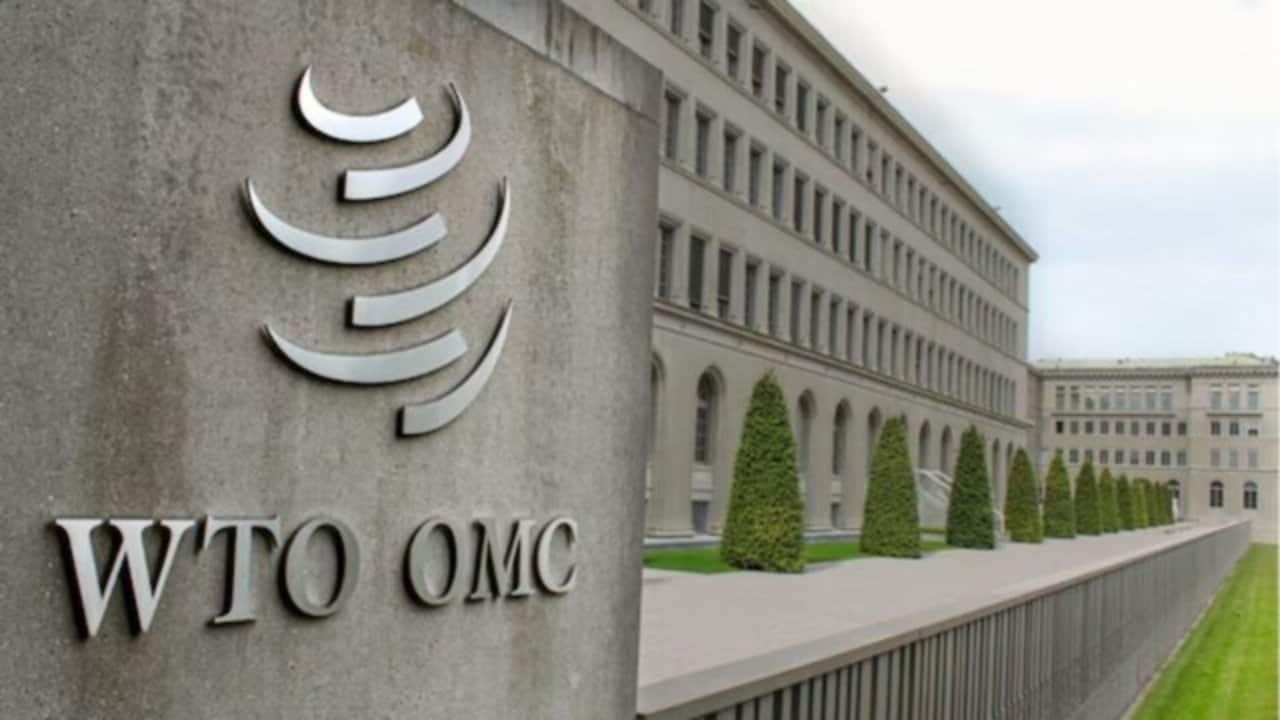
The World Trade Organization is descending on Yaoundé, Cameroon, for its 14th Ministerial Conference (MC14) from March 26 to 29, 2026. Director-General Ngozi Okonjo-Iweala is holding a steady line: the plans are firm, the venue is set, and the multilateral machine is grinding forward despite a global economy that feels like it is tearing at the seams. While the official narrative focuses on "business as usual," the reality on the ground in Central Africa and the halls of Geneva suggests something far more precarious. This isn't just another meeting; it is an existential stress test for a system that many world leaders have already begun to bypass in favor of protectionist blocs.
The Logistics of a High-Stakes Summit
Hosting nearly 4,000 delegates in Yaoundé is no small feat for Cameroon, the first Central African nation to take on this responsibility. A final WTO evaluation mission, led by Ambassador Santiago Wills in February, gave the green light, but not without noting the frantic pace of preparations. The Yaoundé Conference Center has undergone a massive rehabilitation under a Chinese technical assistance mission, while the government has scrambled to bypass its own administrative bottlenecks to finish the Mont Febe Hotel.
The price tag for this prestige is steep. Cameroon has allocated approximately 3 billion CFA francs ($5 million) to ensure the facilities meet international standards. For the host nation, this is a bid for continental leadership. For the WTO, it is a calculated move to show that the "Global South" is the new heart of trade. However, the shiny new facades cannot hide the fact that the agenda inside these buildings is dangerously thin on consensus.
The Digital Cliff Edge
The most immediate crisis facing MC14 is the looming expiration of the e-commerce moratorium. Since 1998, WTO members have agreed not to impose customs duties on electronic transmissions—the invisible flow of software, digital music, and data that powers the modern economy. That agreement expires on March 31, 2026, just two days after the conference ends.
If the moratorium lapses, we enter a world where countries can start taxing data at the border. Developing nations, led by South Africa and India, argue that the moratorium robs them of vital customs revenue and prevents them from protecting their nascent digital industries. Conversely, the U.S. Chamber of Commerce and European business groups warn that ending it would fragment the digital economy and spike costs for every business that uses the cloud.
Cameroon has attempted to position itself as a "North-South bridge" on this issue. Its proposal seeks to find a middle ground—documenting the revenue loss for developing nations while maintaining some level of digital openness. But "middle ground" is a rare commodity in 2026. Without a permanent renewal or a very convincing temporary extension, MC14 could be remembered as the moment the internet got its first set of digital toll booths.
Reform as Damage Control
The WTO’s dispute settlement system, once its crown jewel, remains effectively paralyzed. The Appellate Body—the "supreme court" of world trade—has been defunct since the U.S. began blocking appointments years ago. At MC14, the time allocated for discussing this systemic collapse is a mere 30 minutes.
In contrast, over two hours are dedicated to agriculture and development. This disparity reveals the deep-seated friction between the priorities of developed economies, which want to focus on "modern" issues like investment facilitation and digital trade, and the "Doha" old guard, who are still fighting over food security and agricultural subsidies.
The 2026 roadmap for reform is less about fixing the engine and more about keeping the car on the road. The current strategy is to agree on a "process" for reform rather than the reform itself. It is a classic diplomatic sidestep: when you cannot agree on a solution, you agree to meet again in 2027 to discuss the problem.
The Rise of the Plurilateral
Because the WTO operates on a consensus model, a single country can hold the entire organization hostage. To circumvent this, "coalitions of the willing" are increasingly forming plurilateral agreements—deals between groups of countries that do not include the full 166-member roster.
A major flashpoint in Yaoundé will be the Investment Facilitation for Development (IFD) Agreement. More than 120 members want to bring this deal under the WTO umbrella to make it easier for investment to flow into developing markets. However, a small group of dissenters argues that these plurilateral deals undermine the multilateral nature of the organization.
If the WTO cannot find a way to integrate these "mini-deals," it risks becoming a library of old rules while the real action happens in regional trade blocs like the AfCFTA or the CPTPP.
Why the Status Quo is Moving Fast
The Director-General’s insistence that "plans haven't changed" is a defensive crouch. In a world of deepening geopolitical rivalry, the mere act of holding a meeting without a walkout is considered a victory.
We are seeing a shift from "liberalization" to "stabilization." The goal in Cameroon is not to sign a grand new free trade agreement that lowers every tariff on Earth. The goal is to prevent the existing rules from being ignored entirely. When the U.S., China, and the EU increasingly use "economic security" as a justification for subsidies and tariffs, the WTO’s role as a neutral referee is under fire.
If MC14 fails to deliver even a modest roadmap for reform or a renewal of the e-commerce moratorium, the institution doesn't disappear. It simply fades. It becomes a forum for talk while the real power moves to bilateral "near-shoring" and "friend-shoring" deals.
The gamble in Yaoundé is that by moving the circus to Africa, the WTO can rediscover its relevance to the developing world. But relevance requires more than a new hotel and a shortened opening ceremony. It requires a decision on whether the digital economy belongs to everyone or to the highest bidder at the border.
Watch the digital moratorium. If that falls, the rest of the rules-based order likely follows.