Daniel Vorcaro wasn't a name anyone knew in Brasilia a few years ago. He was basically a ghost in the national capital, a young businessman from Belo Horizonte with a background in real estate and gospel television. But by the time the Federal Police knocked on his door in March 2026, he'd managed to entwine himself with the highest offices in Brazil, from the Central Bank to the Supreme Court. It's the kind of rise that doesn't happen by accident. It happens through a calculated blend of high-yield promises and the quiet cultivation of people who make the rules.
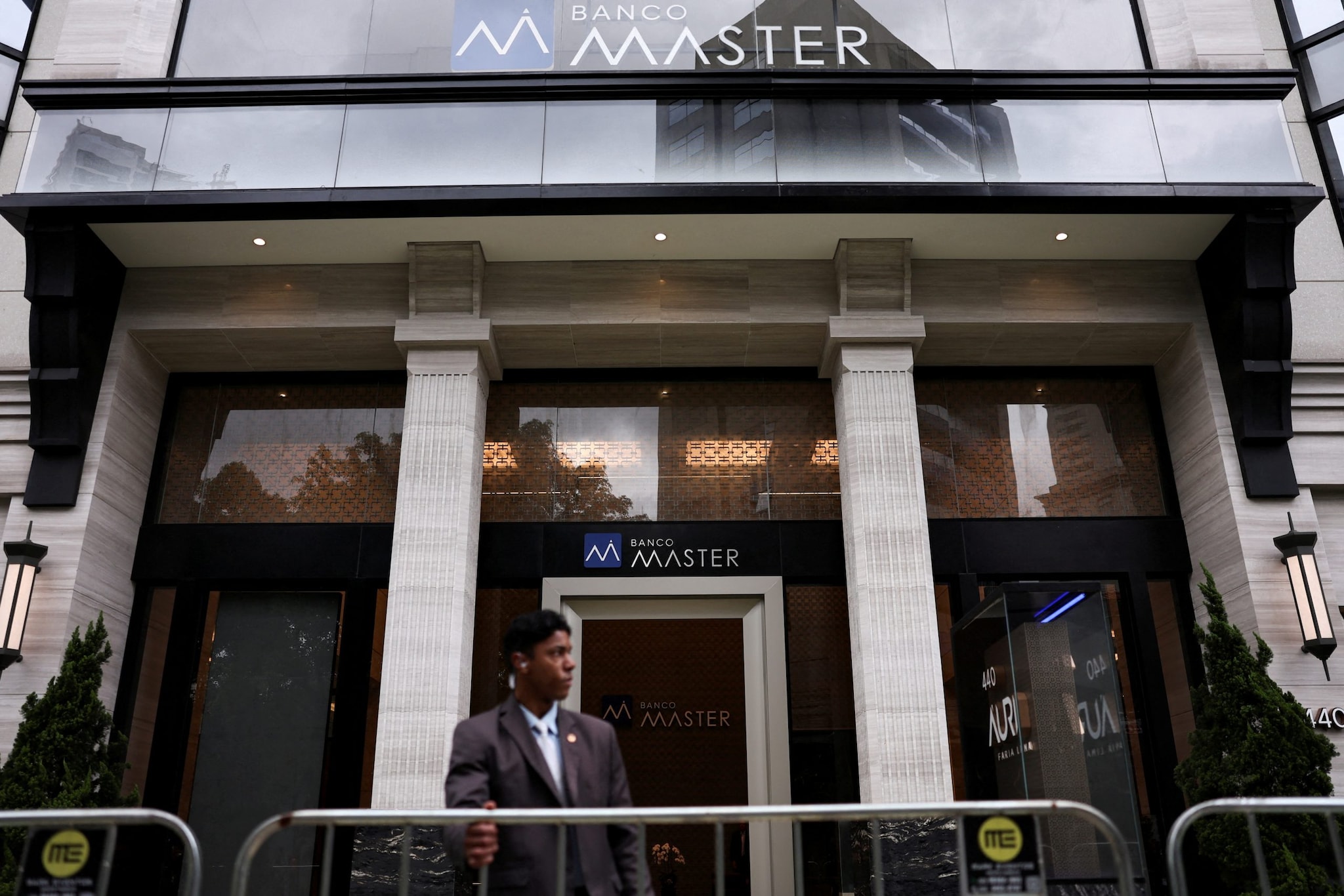
The collapse of Banco Master and the subsequent arrest of Vorcaro in "Operation Compliance Zero" has sent a shockwave through the country's elite. We aren't just talking about a bank going bust. This is a story of how a small, struggling institution formerly known as Banco Maxima was transformed into a multi-billion dollar juggernaut through what investigators call "manufactured solvency" and systemic bribery.
The Gospel of High Yields
Vorcaro’s entry into the banking world in 2019 was opportunistic. He took over Banco Maxima when it was already on the Central Bank's "troubled" list. Most sensible investors stay away from institutions flagged for poor lending and lack of liquidity. Vorcaro did the opposite. He rebranded it as Banco Master and flipped the switch on an aggressive growth strategy that should have raised every red flag in the building.
The bank started offering Bank Deposit Certificates (CDBs) with returns as high as 130% of the CDI. If you're an investor, that sounds like a dream. In reality, it was the engine for a credit portfolio that ballooned from R$1.4 billion to R$40 billion in just five years. While retail investors flocked to these yields, federal prosecutors allege the bank's actual asset base was hollow.
The Tirreno Front and the BRB Connection
How do you make a hollow bank look solid on paper? According to the Public Prosecutor's Office, you invent the money. Investigators claim Vorcaro used a front company called Tirreno to create fictitious credits. These weren't just numbers on a screen; they were packaged and sold to other institutions to keep the lights on.
The most disturbing part of this involves the Banco de Brasília (BRB), a state-owned bank. Between 2024 and 2025, BRB allegedly injected roughly R$16.7 billion into Banco Master. Prosecutors say at least R$12.2 billion of that involved those unsecured, questionable transactions. It looks less like a business deal and more like a state-funded lifeline for a sinking ship.
Buying the Regulators
You'd think the Central Bank of Brazil—one of the most respected regulatory bodies in Latin America—would have stepped in sooner. That's where the "inner circle" part of this scandal gets ugly. Federal Police recently alleged that Vorcaro didn't just evade regulators; he put them on the payroll.
The investigation into Operation Compliance Zero suggests that two senior officials, Paulo Sergio Neves de Souza and Belline Santana, were secretly advising Vorcaro while they were still at the Central Bank. Souza wasn't just any staffer—he sat on the rate-setting Copom committee for years.
Messages obtained from seized iPhones show a cozy relationship where regulators gave the banker tips on filings and regulatory matters. In exchange, Vorcaro allegedly set up sham service contracts through consulting firms to funnel money back to these officials. It's the ultimate "fox guarding the henhouse" scenario. When the people paid to watch the bank are the ones helping it hide the bodies, the system is fundamentally broken.
The Supreme Court Shadow
The scandal doesn't stop at the Central Bank. It reaches into the Judiciary, specifically the Supreme Court (STF). Justice Andre Mendonca, who took over the case recently, has described a criminal organization involved in everything from money laundering to the illegal surveillance of journalists.
Earlier, the case was handled by Justice Jose Dias Toffoli, who faced intense criticism as links emerged between his associates and Vorcaro’s circle. The web of influence included suspicious contracts and payments to relatives of justices. This isn't just about money; it’s about "institutional capture." When a banker can claim to police that he has "friends in all branches of government," and then evidence actually backs him up, the democratic framework itself starts to look shaky.
Intimidation and the Sicario
If you thought this was just a white-collar crime of spreadsheets and wire transfers, the WhatsApp logs tell a darker story. Vorcaro didn't just use money to get his way; he used threats. Investigators found messages where Vorcaro discussed planning a physical attack on a journalist who was being too critical. He even had an associate he referred to as "Sicario"—the term for a professional hitman.
The plan was to stage a mock robbery to "scare" the reporter. This level of thuggery is usually reserved for the cartel world, not the boardrooms of Faria Lima. It shows the desperation of someone who knew the walls were closing in and was willing to do anything to keep the facade from cracking.
Why This Matters for You
If you're an investor or just someone living in Brazil, this scandal is a massive wake-up call. It exposes three critical failures:
- Regulatory Blind Spots: The Central Bank’s oversight failed because the oversight itself was corrupted.
- State Bank Vulnerability: Politicians used a state-owned bank (BRB) to prop up a private entity that was clearly failing.
- Judicial Integrity: The ease with which the legal system was seemingly bypassed or influenced is terrifying.
The Central Bank finally liquidated Banco Master on November 18, 2025, leaving a debt of over $7 billion. While a deposit guarantee fund (FGC) helped pay out many of the 800,000 investors, the broader damage to market trust is harder to fix.
Don't wait for the next "Operation" to clean your portfolio. If a bank is offering returns that seem impossible compared to its peers, there’s usually a reason—and it’s rarely a good one. Check the transparency of the institutions you use. Look at who sits on their boards and who their "consultants" are. In a system where the "inner circle" is for sale, your best defense is a healthy dose of skepticism.
Keep an eye on the upcoming 2026 presidential election. Candidates are already using the Master scandal as a weapon. If you want to stay ahead of the curve, watch the legislative moves regarding Central Bank autonomy and judicial ethics. Those are the real battlegrounds where the fallout of Vorcaro's rise will be settled.