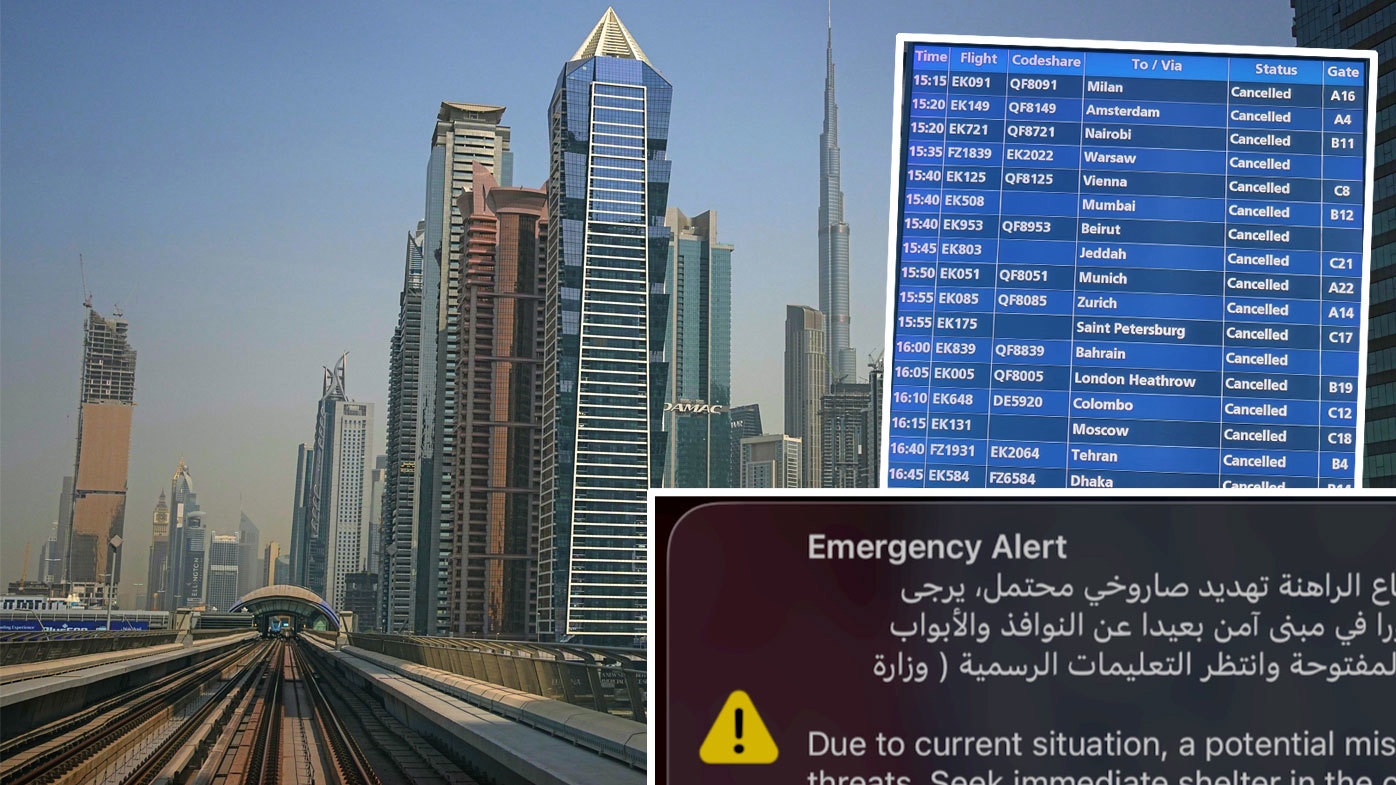
Getting home from the Gulf has been a nightmare for the last few days. If you’ve been scrolling through frantic WhatsApp groups or sleeping on a cold airport bench in Dubai, you know exactly what I’m talking about. But there's finally a crack of light in the middle of this massive aviation mess.
The Indian government just confirmed that airlines are pushing to operate 58 flights this Wednesday, March 4. It's not a full return to normal—far from it—but it's a huge step up from the total silence we saw over the weekend. After more than 1,200 cancellations by Indian carriers alone since the end of February, this "calibrated" restart is the first real sign that the Ministry of Civil Aviation is getting a handle on the chaos triggered by the US-Israel-Iran conflict.
The numbers behind the 58 flights today
Don't expect the usual schedule, but don't lose hope either. The government is coordinating a massive effort to clear the backlog of hundreds of thousands of people. Here’s the breakdown of who’s flying:
- IndiGo is doing the heavy lifting with 30 planned services.
- Air India and Air India Express are combining forces for 23 flights.
- SpiceJet and Akasa Air are filling in the gaps with special relief operations.
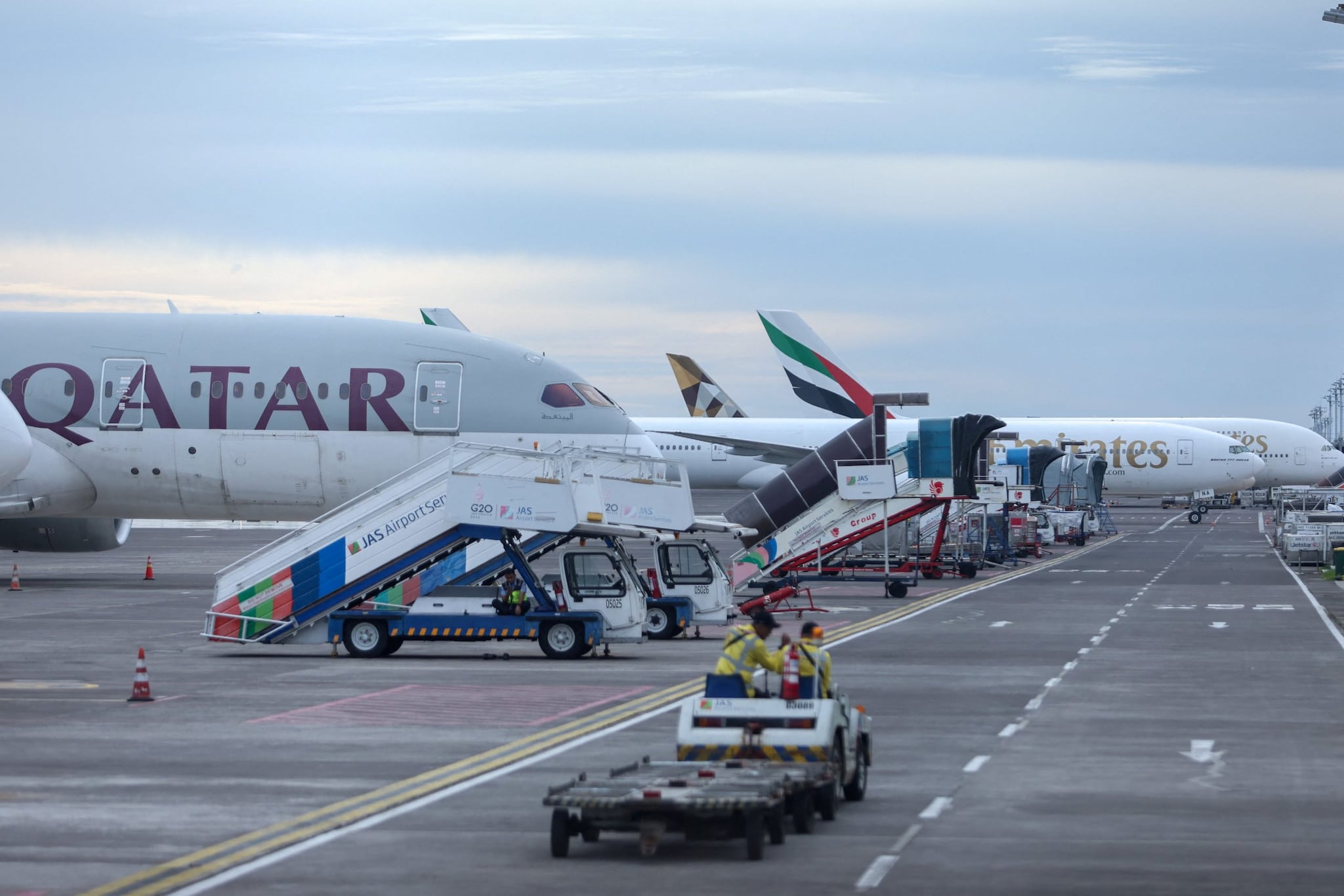
Most of these are concentrated in the UAE (Dubai, Fujairah, Abu Dhabi) and Qatar (Doha). Some are special relief flights, which means they aren’t just regular scheduled trips but are specifically meant to ferry people who have been stuck for days.
The catch? These flights are taking much longer. Since large chunks of airspace are still closed, airlines are flying around the problem—literally. Expect an extra 4 to 7 hours of flight time as pilots navigate through corridors over the Arabian Sea, Red Sea, Oman, and Saudi Arabia. If you’re flying to Europe or the US, your plane might even stop in Rome (Fiumicino) just to refuel because the detour is so long.
Why you shouldn't just show up at the airport
Listen, I know the urge to just go to the airport and wait for a ticket is strong. But honestly, it’s a bad idea. Authorities at Dubai International (DXB) and Zayed International (AUH) are being very clear: do not show up unless your airline has specifically contacted you with a confirmed departure time.
The backlog is insane. As of March 3, we’ve seen 1,221 Indian carrier flights and 388 foreign carrier flights cancelled. That’s thousands of people in the same boat as you.
What to do if you're stranded right now
If you’re stuck in Jeddah, Fujairah, or Doha, you need to be proactive but smart.
- Check your refund rights. Most airlines, including IndiGo and Air India, have extended full "Conflict Waivers." For any booking made on or before February 28 for travel up to March 7, you can usually get a 100% refund or one-time free rescheduling.
- Monitor the special relief flights. IndiGo has been running 10 special missions out of Jeddah to help Umrah pilgrims and workers. SpiceJet has been using Fujairah as a "pressure valve" because Dubai is too congested.
- Watch out for the "U-turn" risk. Even if you take off, things can change. Just yesterday, three flights from Chennai and Delhi had to turn around mid-air because of drone-related threats in regional airspace. It's frustrating, but safety is the only priority right now.
Is the government monitoring ticket prices?
This is the big question. Whenever there’s a crisis, ticket prices usually skyrocket. The Ministry of Civil Aviation says they are monitoring airfares to prevent "undue surges."
Whether that actually stops the price hikes on the ground is debatable. If you see a price that looks like a total scam, report it. But also, keep in mind that the operating costs for these airlines have doubled because of the fuel needed for those 7-hour detours.
What to expect next
The situation is fluid. It’s changing by the hour. The Ministry of External Affairs has activated 24/7 helplines, and Indian missions in the Gulf are coordinating directly with airlines to prioritize people whose visas are about to expire or who have medical emergencies.
The 58 flights today are a start. It’s a sign that the aviation industry is adapting to the new "war-time" routing. If you're currently in India and planning to travel to the Middle East, honestly, wait. Unless it’s absolutely essential, give it another week for the schedules to stabilize.
If you're trying to get back to India, keep your phone charged, stay near a Wi-Fi signal, and wait for that confirmation email. The road home is finally opening up, but you’ll need a bit more patience to get there.
Next steps for you:
- Verify your flight status directly on the Air India or IndiGo "Manage Booking" portal—don't trust third-party tracking apps right now.
- Contact the Indian Embassy in your host country if you have a visa expiration issue; they are currently prioritizing these cases for the relief flights.