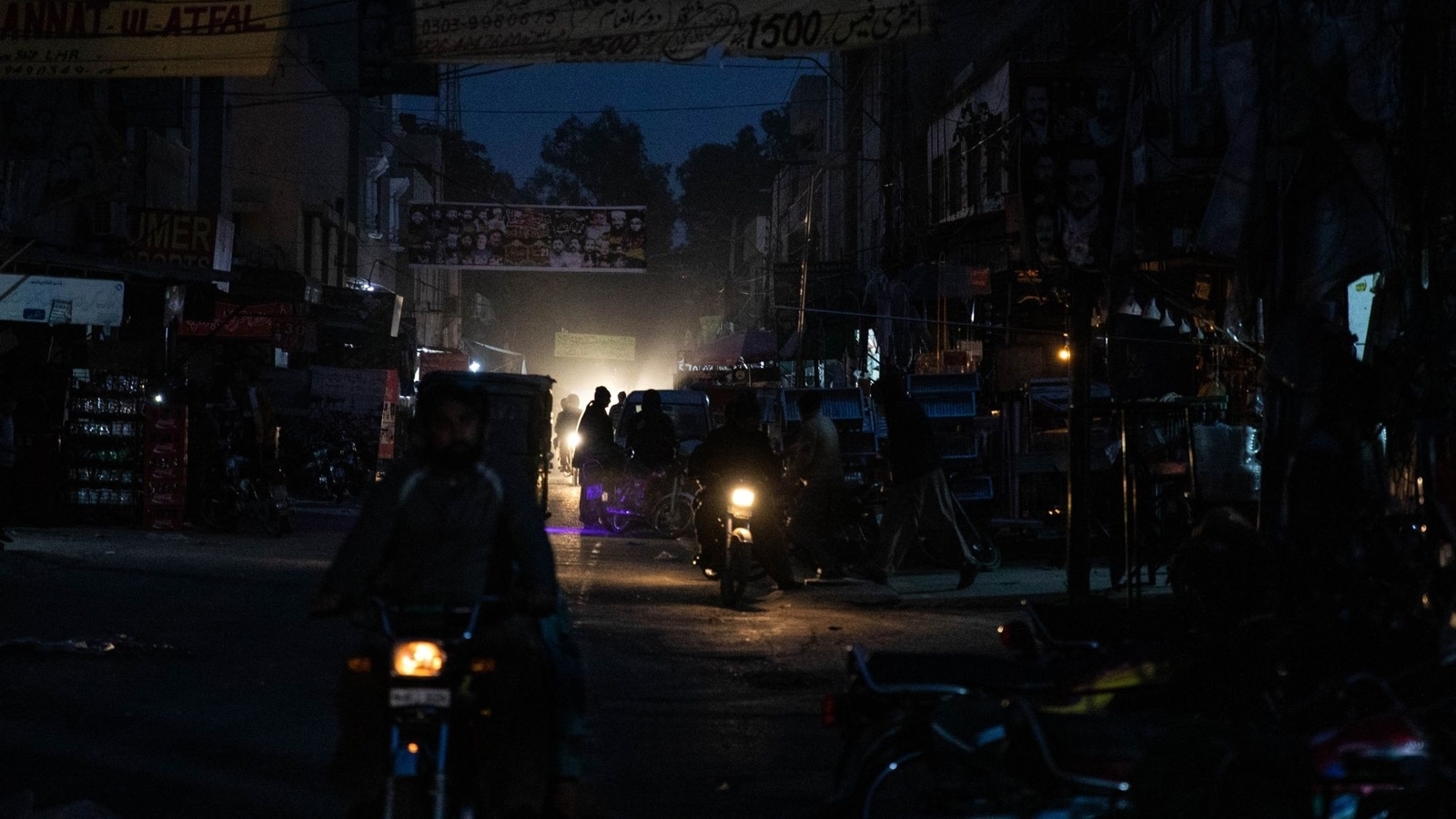
The headlines are screaming about a Middle East conflict-induced fuel shortage in Pakistan. The government is frantically shutting down schools and mandating a four-day workweek. This is a classic misdirection. It is a theatrical performance designed to mask decades of structural incompetence.
Blaming external geopolitical shocks for a domestic energy collapse is the ultimate "get out of jail free" card for failing administrations. The reality is far more damning: Pakistan isn't running out of fuel because of regional wars; it's running out of fuel because its energy infrastructure is a zombie system kept alive by bad debt and circular credit.
The Myth of the Middle East Scapegoat
The "lazy consensus" suggests that if tensions rise in the Strait of Hormuz, Pakistan’s lights go out. While oil prices are indeed sensitive to regional instability, the narrative that a temporary supply disruption necessitates a national shutdown is a lie.
True energy security is built on storage, diversification, and fiscal health. Pakistan has none of these. Most developed or even rapidly developing nations maintain strategic petroleum reserves (SPR) that can last 60 to 90 days. Pakistan’s "reserve" is often a hand-to-mouth existence measured in weeks, and sometimes days.
When you hear a politician blame a foreign war for a local blackout, what they are actually saying is: "We failed to build enough storage tanks, and our credit is so bad that no one will sell us oil on a margin."
The Four-Day Workweek is a Productivity Suicide Note
Shutting down schools and cutting workdays isn't a solution; it's a white flag. This policy assumes that energy is a "cost" to be minimized rather than an "input" for growth.
By forcing a four-day workweek, the government is effectively slashing the country's GDP to save a few million dollars in imported furnace oil. It’s the equivalent of a starving man deciding to stop walking so he doesn't burn calories. Eventually, the lack of movement kills him anyway.
In any functioning economy, energy is the blood supply. If the supply is low, you find more blood; you don't start cutting off limbs to "conserve" what's left. The "work from home" or "stay at home" mandates are merely a way to shift the energy burden from the state-owned grid to the individual's private (and often non-existent) backup systems. It’s a stealth tax on the middle class.
The Circular Debt Monster
The real villain isn't a drone strike in the Gulf; it's the "Circular Debt." To understand why Pakistan's energy sector is failing, you have to understand this financial black hole.
- The government sets power tariffs lower than the cost of production to keep voters happy.
- Power distribution companies (DISCOs) fail to collect bills from influential people and government departments.
- Because DISCOs don't have cash, they can't pay the power generation companies.
- The generation companies can't pay the fuel importers.
- The fuel importers stop bringing in oil.
This isn't a supply chain issue. It's a "nobody has any money" issue. Even if the Middle East were perfectly peaceful and oil was $20 a barrel, Pakistan would still face shortages because the internal pipes of the financial system are clogged with unpaid invoices.
Stop Chasing Renewables as a Magic Bullet
There is a popular, naive argument that Pakistan should just "switch to solar" to avoid these shocks. This is a fundamental misunderstanding of grid physics.
Solar and wind are intermittent. You cannot run a massive industrial textile mill in Faisalabad on a cloudy day without a massive, stable "baseload" provided by coal, gas, or nuclear power. The current push for residential solar is actually making the national grid less stable. As the wealthy "de-grid" via rooftop panels, the fixed costs of maintaining the massive national infrastructure fall on the poor who cannot afford panels.
This creates a "Utility Death Spiral." The grid becomes more expensive for those remaining, leading to more defaults, which increases the circular debt, which leads to more fuel shortages.
The Brutal Solution: Stop Subsidizing Failure
The only way out is painful, and it's exactly what the current administration is too terrified to do:
- Privatize the DISCOs: The government has proven it cannot collect electricity bills. Sell the distribution companies to private entities that will cut off power to anyone—including government offices—who doesn't pay.
- Abolish Uniform Tariffs: Let the price of power reflect the cost of getting it to the user. If you live in a remote area with high line losses, you pay more.
- Build 90-Day Storage: Mandate that fuel importers maintain massive physical reserves before they are allowed to sell a single liter at the pump.
- Stop the Moral Hazard: Stop bailing out the energy sector with IMF loans. The loans just provide a temporary reprieve that allows the underlying rot to spread.
I have seen emerging markets try to "policy-maneuver" their way out of physical shortages for years. It never works. You cannot print fuel, and you cannot "conserve" your way to prosperity.
The next time you see a headline about "fuel shortage fear," look past the border and look at the ledger. The crisis isn't in the tankers in the Arabian Sea; it’s in the empty treasury in Islamabad.
Stop asking when the fuel will arrive. Start asking where the money went.
Open the schools. Get back to work. Fix the grid or get out of the way.