Target's "Tarzhay" magic has been fading for years. You've seen the headlines, or maybe you've just seen the empty aisles and the increasingly cluttered backrooms. After 13 consecutive quarters of sluggish performance or outright declines, the retailer is finally pulling the emergency brake. Michael Fiddelke, a 20-year company veteran, took the helm as CEO in February 2026, and he isn't just asking for a second chance—he’s promising a total overhaul.
The numbers for 2025 were, frankly, a mess. Net sales dropped to $104.8 billion, a 1.7% slide from the year before. Comparable sales fell 2.5%, largely because people stopped buying the "fun" stuff—apparel, home decor, and those seasonal knick-knacks that used to fly off the shelves. While Walmart and Amazon have been eating Target’s lunch by focusing on price and speed, Target got caught in the middle. Now, Fiddelke is betting $2 billion that he can fix the vibe and the bottom line at the same time.
Why the everything store model is dead for Target
For a long time, Target tried to be everything to everyone. It didn't work. Fiddelke’s new strategy is surprisingly narrow. He’s shifting the focus away from being a generalist and doubling down on "busy families." It’s a calculated move. If you can’t beat Walmart on the price of a gallon of milk, you beat them on the experience of buying it.
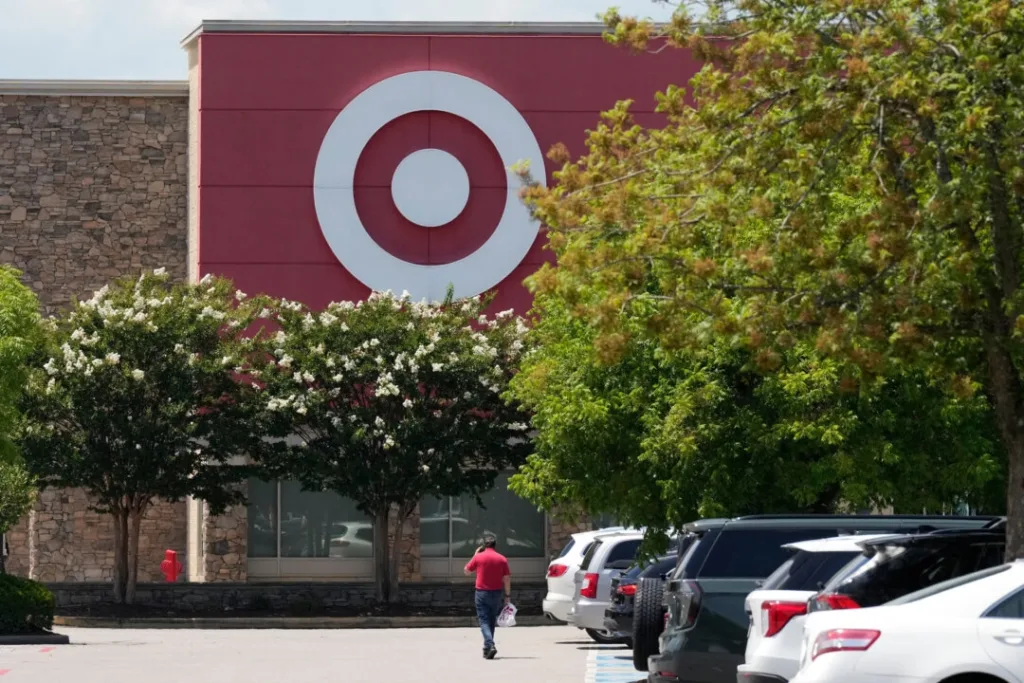
The plan involves a massive $2 billion investment this year alone. They aren't just slapping a new coat of red paint on the walls. They’re opening 30 new stores and remodeling 130 existing ones. But the real change is happening in how those stores actually function. The company is reconfiguring its footprint so higher-traffic stores focus almost exclusively on the guest experience, while lower-traffic locations with big backrooms become "fulfillment hubs" for digital orders.
It’s about time. If you’ve been in a Target lately, you’ve probably tripped over an employee picking items for an online order. By separating these two worlds, Target hopes to bring back the "swagger" that Fiddelke says has been missing.
The high-margin bet on non-merchandise sales
Selling t-shirts and throw pillows isn't enough anymore. The most interesting part of Target’s turnaround isn't what’s on the shelves; it’s the stuff you can’t touch. In the fourth quarter of 2025, non-merchandise sales—think advertising and memberships—skyrocketed by more than 25%.
- Target Circle 360: Their paid subscription service is finally starting to act like a real competitor to Amazon Prime and Walmart+. Membership revenue more than doubled last year.
- Roundel: Target’s internal media network is a gold mine. Brands are paying big bucks to advertise directly to Target shoppers, and because this is high-margin revenue, it’s keeping the company’s head above water while traditional retail sales sag.
- The Ulta Factor: The partnership with Ulta Beauty has been one of the few bright spots. Beauty sales grew 1.1% last year, even when everything else was down. Fiddelke knows he needs to keep this momentum going before the partnership contract expires in August 2026.
Facing the hard truth about the store experience
Let’s be honest. Target’s reputation took a hit in 2025. Between messy aisles and a perceived lack of staff, the "premium" feel of the brand started to erode. Fiddelke is trying to fix this with a "10-foot rule"—mandating that employees make eye contact and greet anyone within ten feet. It sounds a bit corporate, but it’s a desperate attempt to reclaim the customer service high ground.
They’re also slashing 1,800 corporate roles and reinvesting that money back into store labor. The goal is to get associates out of the backroom and onto the floor. It’s a risky play. If they can’t improve the in-stock rates of the top 5,000 most-purchased items, all the smiles in the world won’t save the quarter.
What the 2026 forecast actually means for you
Fiddelke is forecasting 2% net sales growth for 2026. That might sound tiny, but for a company that’s been in a three-year tailspin, it’s an ambitious goal. They’re already seeing "green shoots"—February 2026 saw a healthy sales increase, marking the first real sign of a pulse in months.
The company expects earnings per share to land between $7.50 and $8.50. That’s higher than what most analysts were whispering about in the hallways of Wall Street. It suggests that even if sales don't explode, Target is getting much better at managing its costs and inventory. They’ve slashed "shrink" (retail speak for theft and damage) and streamlined their supply chain.
If you're an investor or just a frequent shopper, the next six months are the "make or break" period. We'll see if the new merchandising—which includes a 50% increase in new food and beverage items like niche canned fish and fresh produce—can actually drive more frequent trips.
Stop waiting for the old Target to come back. It’s gone. The new version is leaner, more digital-focused, and obsessed with high-margin memberships. If Fiddelke can execute this "new chapter," Target might actually regain its title as the king of "cheap chic." If not, it’s just another big-box retailer fighting over the scraps of a shrinking middle class.
Keep an eye on the Q1 2026 earnings report coming in May. That’s when we’ll know if the February "momentum" was a fluke or the start of a real comeback. If comparable sales don't hit that 2% growth target soon, expect more radical changes at the top.